[Lukas] started his epic SDR-from-scratch build when he was 16. Projects like this aren’t completed overnight. (He’s now 18. We’re impressed.) The project itself is a Software-Defined Radio built on top of the 12-bit Analog Devices AD9364 transceiver IC. A big fat FPGA takes the data and runs it off to a USB 3.0 interface,…
Author: fustini
Eye of Toast — Robotic Art
Sarah Petkus wrote on her Robotic Arts blog about toaster hacking:
Eye of Toast
I would like you to meet my toaster. The toaster is an old character of mine who has survived through subtle reference in the things I draw and build. Nothing I make is about the toaster, but the toaster is about everything I make. He’s my chrome totem.
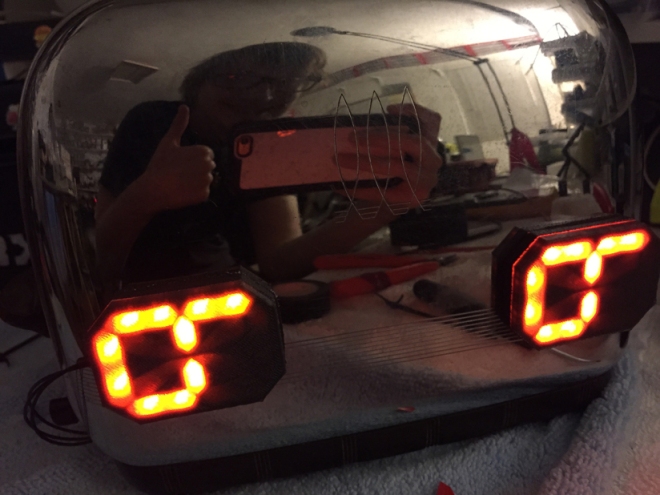
Here is a brief progress report on the surgery of toaster! He will soon have eyes!
ESP8266 Temperature Logger
Intro I know I know what your thinking, Here’s another temp logger based on the esp8266. After looking around on the internet it looks like every man and his dog are making temp loggers powered by everyone’s favourite IoT dev board, the esp8266. Ever since the esp8266 came out I wanted to do a project […]
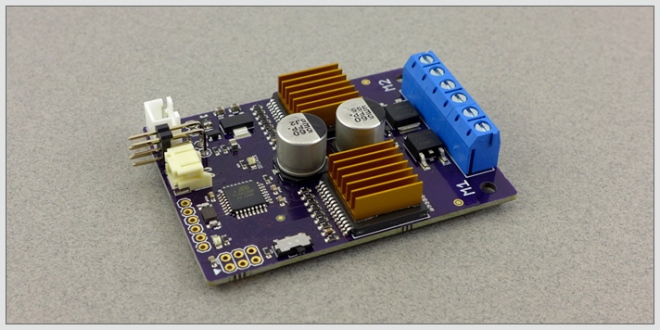
OpenPanzer.org Scout ESC
Dual brushed motor controller that accepts both TTL serial and RC inputs. The onboard processor is an ATmega 328 and can be programmed with the Arduino IDE
The bill of materials and EAGLE design files are available on the Open Panzer Downloads page. Source code is available on GitHub:
/Scout-ESC
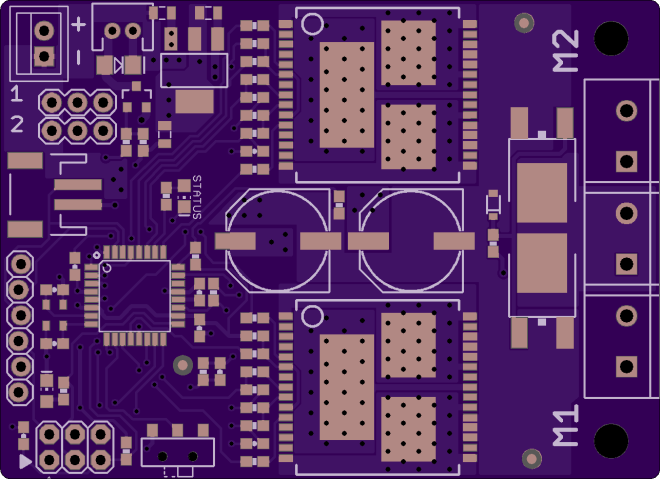
OpenPanzer has shared the board on OSH Park:
Open Panzer Scout ESC
TCPoke and the Internet of Pokemon
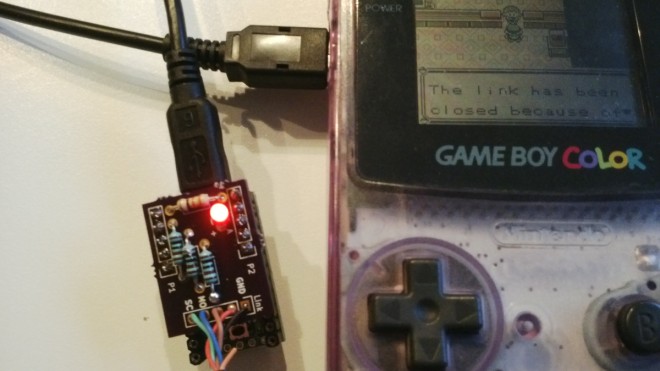
Pepijn de Vos created this method to trade and battle Pokemon over the Internet:
TCPoke
a collection of projects that allow you to connect your Game Boy to the internet and trade or battle with the first and second generation Pokemon games
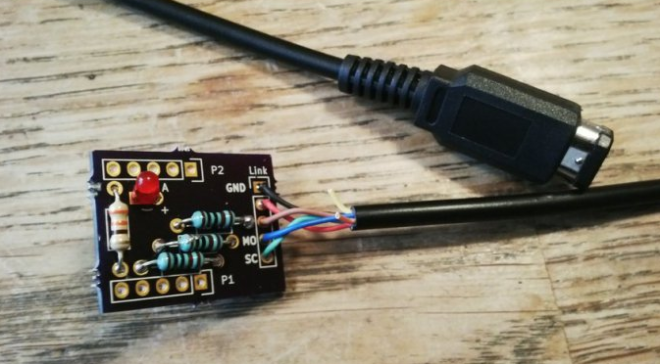
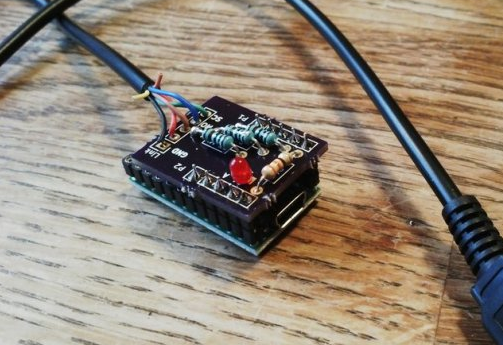
KiCad design files of Teensy 2.0 shield for a Game Link Cable:
tcpoke_shield
Arduino sketch runs on Teensy 2.0 and talks to a Game Boy via raw HID mode:
tcpoke_teensy
TCPoke shield kit is sold on Tindie:

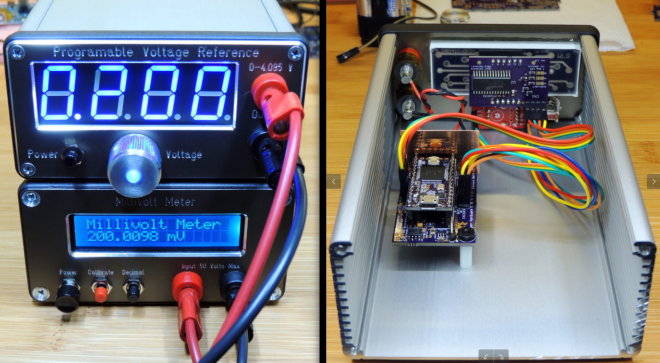
Programmable Voltage Reference
Barbouri created a programmable voltage reference with the Teensy 3.2:
A precision programmable voltage reference circuit capable of 0.001 to 4.095 volt output in 1 mV steps with an accuracy of 100 uV.
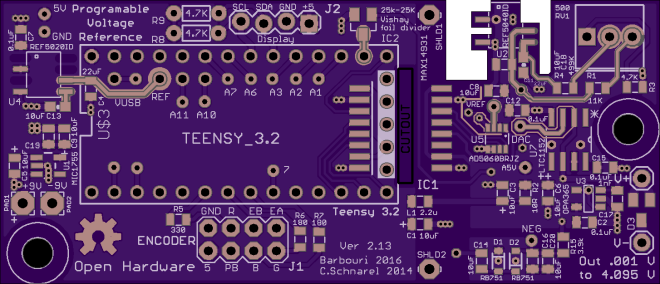
Barbouri has shared the board on OSH Park:
Programmable Voltage Reference V2.13


Pokemon Go on the Gameboy Pocket
Hackaday reports on this mix of Pokemon Go and DIY electronics:
Beware Of Tall Grass: Pokemon Go on the Gameboy Pocket
[Pepijn de Vos] was excited to interact with the world’s most popular augmented reality pedometer, Pokemon Go, and was extremely disappointed to find that his Blackberry couldn’t run it. Still, as far as he could tell from behind his wall of obsolete technology, Pokemon Go is all about walking distractedly, being suspicious, and occasionally catching […]
TCPoke shield kit on Tindie:
Lessons in 3D Circuits
- Avoid having structural components carry signals
- Castellations work, but mind the placement.
- If at all possible, make each component easily testable and self contained
- Don’t try to dual-purpose a component lead as a signal wire.
- Watch your line termination
- Put all connected parts on the same design
- Hobby Iron vs Soldering Iron: Not the same.
- Make a jig, or at least a good assembly guide
Quad Serial Adapter — Hackaday
Despite concerted efforts to kill them, serial ports are alive and well, especially in embedded system. True, most of them end in a USB port, these days, but there’s still a lot of gear with a DE-9 (it isn’t a DB-9, despite the common use of the word) or a TTL-serial port lurking around. [James…
Hackaday Prize Entry: A Simple Spectrophotometer
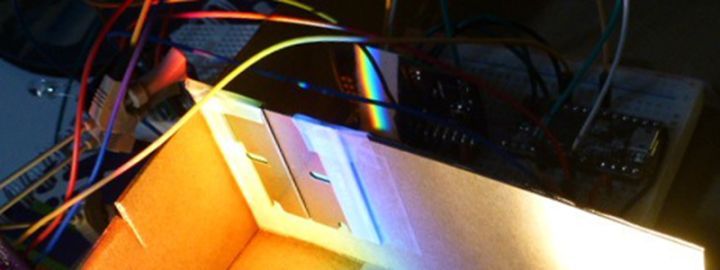
Building on the work of other Citizen Science efforts, [doctek]’s entry for the Hackaday Prize promises to detect pollution, identify chemicals, and perform other analyses with a simple handheld device. It’s a spectrophotometer, and [doctek] is putting some real engineering into this build. A spectrophotometer is one of the simplest devices able to perform spectroscopy,…
via Hackaday Prize Entry: A Simple Spectrophotometer — Hackaday