In our previous issues in this series on making circuit boards, we covered placing solder paste and placing components. Now it’s time to bake our cake! There are a variety of methods for reflowing a circuit board, but they all rely on a single principle: heat up the solder paste (a mixture of flux and…
Author: fustini
Drive RGB LED Matrix from Raspberry Pi
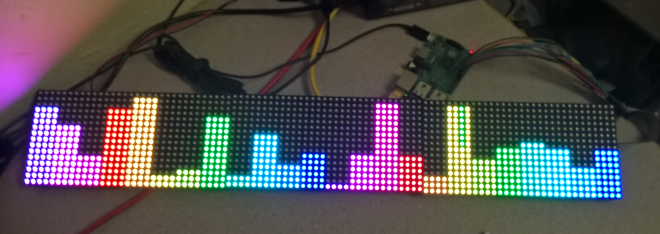
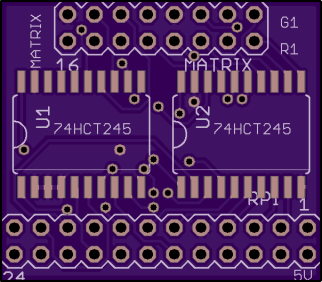
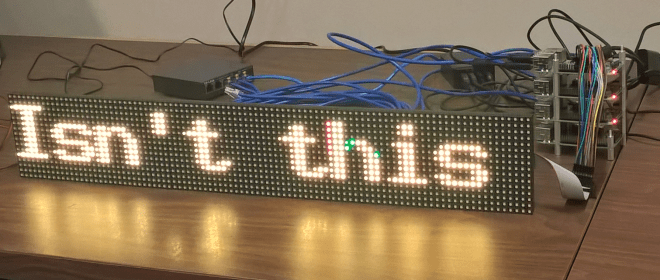
xfrings created this 3.3V to 5V level converter to drive a RGB LED Matrix from a Raspberry Pi:
RGBMatrixHat
The design files and source code are available on GitHub:

RGB-MatrixDriver
The RGB LED Matrices are large scale panels which are the ones which are used on video walls (for example in Times Square or on the faces of skyscrapers). Essentially these are ordered rows of RGB LEDs with no driving logic or controllers on them what-so-ever. All driving and control logic needs to be implemented externally.
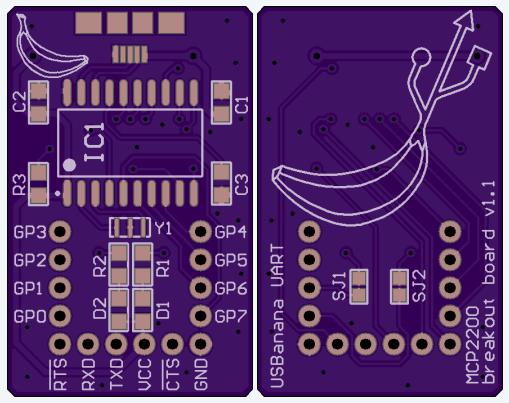
USBanana UART
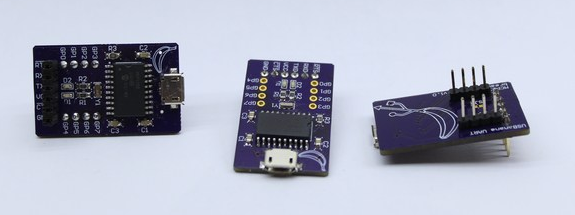
created this breakout board for the MCP2200 USB to UART bridge from Microchip:
USBanana UART
I made this board because the FTDI chip is quite expensive and the MCP2200 can be acquired for a significantly lower price or even as a sample.
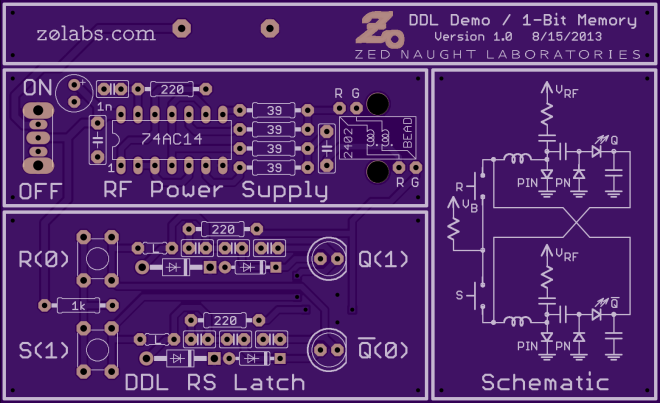
Hackaday Prize Entries: Inventing New Logic Families
Inventing New Logic Families — Hackaday
One of the favorite pastimes of electronics hobbyists is clock making. Clocks are a simple enough concept with a well-defined goal, but it’s the implementation that matters. If you want to build a clock powered only by tubes and mains voltage, that’s a great skill tester. A relay-based timepiece is equally cool, and everyone should…
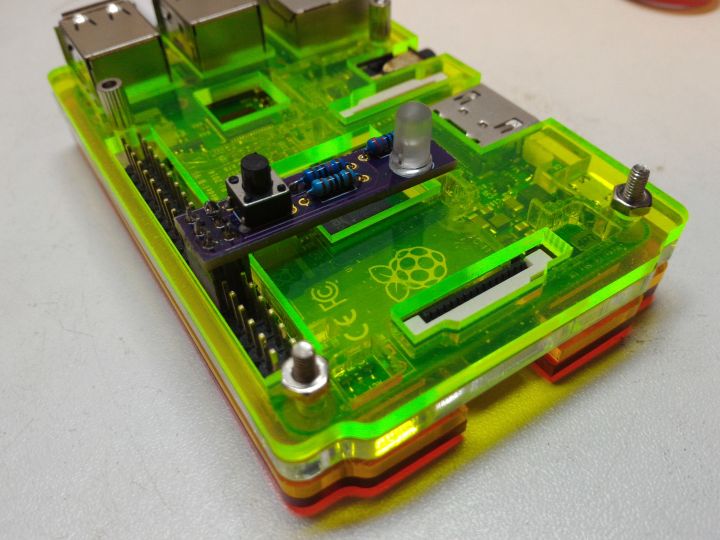
Shut it down (Raspberry pi that is) — Facelesstech
tl:dr The one bug bare about running a ‘headless’ raspberry pi is shutting it down when something goes wrong. I started looking into what other people had done, I quite liked the look of the turnoffeepi but hated how it covered valuable I2C pins. This is why I decided to design my own shutdown button. […]
via Shut it down (Raspberry pi that is) — Facelesstech
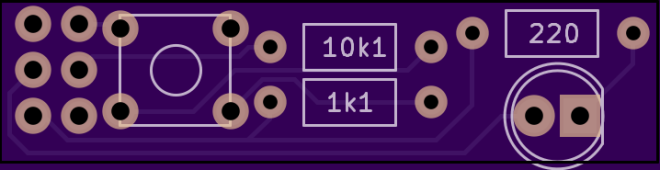
Rpi_status (The raspberry pi has got his hat on, Sort of) — Facelesstech
tl;dr As of writing this the raspberry pi zero is still hard to get hold of, Since I managed to snag one I thought I would put it some use. Also Hackaday/Adafruit gave me a kick up the arse with there Contest too. I haven’t really done anything with raspberry pi GPIO before now. I had […]
via Rpi_status (The raspberry pi has got his hat on, Sort of) — Facelesstech
Dorkbot PDX on Monday
Smart AC Monitoring: Without the $500 Price Tag — Hackaday
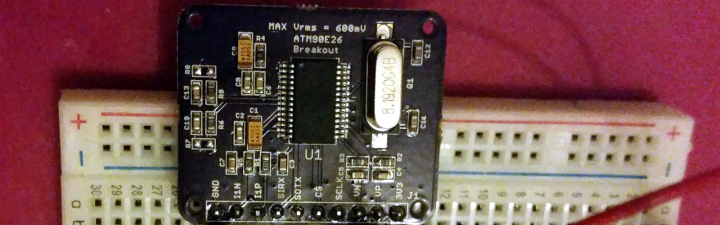
[Tisham Dhar] has been interested in monitoring AC power and previously built a breakout board for the ADE7763. He wanted to find something cheaper and more modern. The ATM90E26 fit the bill. It can communicate via a UART or SPI, and has multiple metering modes. The problem? The evaluation module from Atmel costs about $500…
via Smart AC Monitoring: Without the $500 Price Tag — Hackaday
Open Source Hardware Month
Alicia Gibb, executive director of the Open Source Hardware Association (OSHWA), announced today that the month of October this year will be Open Source Hardware Month:
Open Source Hardware Month will host three significant events in an effort to bring greater clarity to the open source hardware definition, invite more people to contribute to the movement, and provide education about how to publish a project or product as open source hardware. These events include the Open Hardware Summit, an open source hardware certification, and a series of documentation days.
The Open Hardware Summit in Portland, Oregon will be on October 7, 2016. Tickets are for sale, and there is still time to be a speaker or a sponsor.

OSHWA will launch the Open Source Hardware certification at the Summit:
Users will self-certify compliance in order to use the certification logos. Self-certification will give creators the right to use the OSHWA open source hardware certification logo. As part of the self-certification process, creators will agree to subject themselves to penalties for non-compliance. OSHWA will be responsible for enforcing those penalties.

Black Line Follower: A Modern Bristlebot — Hackaday
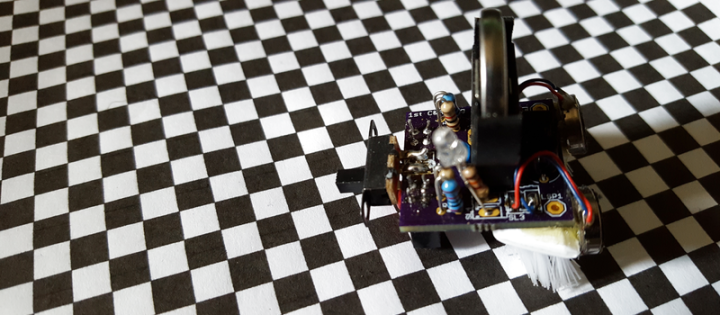
It’s been a while since we’ve seen much action on the bristlebot front, which is too bad. So we’re happy to see [Extreme Electronics]’s take on the classic introductory “robot”: the Black Line Follower. The beauty of these things is their simplicity, so we’ll just point you to his build instructions and leave the rest…