
From Jeremy Cook on the Tindie blog:
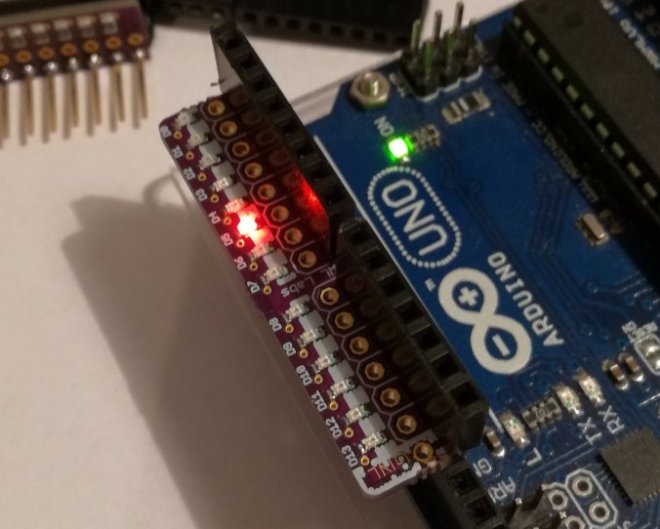
LED Arduino Debugging Shield
simply plugs into the I/O female header pins on one side of an Arduino UNO, and allows signals to pass through its own headers while lighting up to indicate what is HIGH and LOW
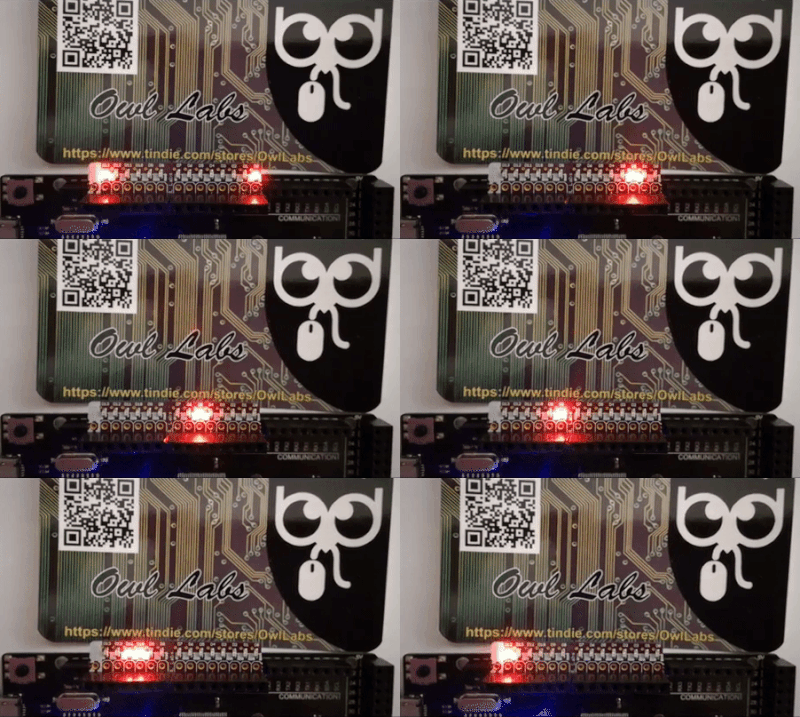
From Jeremy Cook on the Tindie blog:
simply plugs into the I/O female header pins on one side of an Arduino UNO, and allows signals to pass through its own headers while lighting up to indicate what is HIGH and LOW
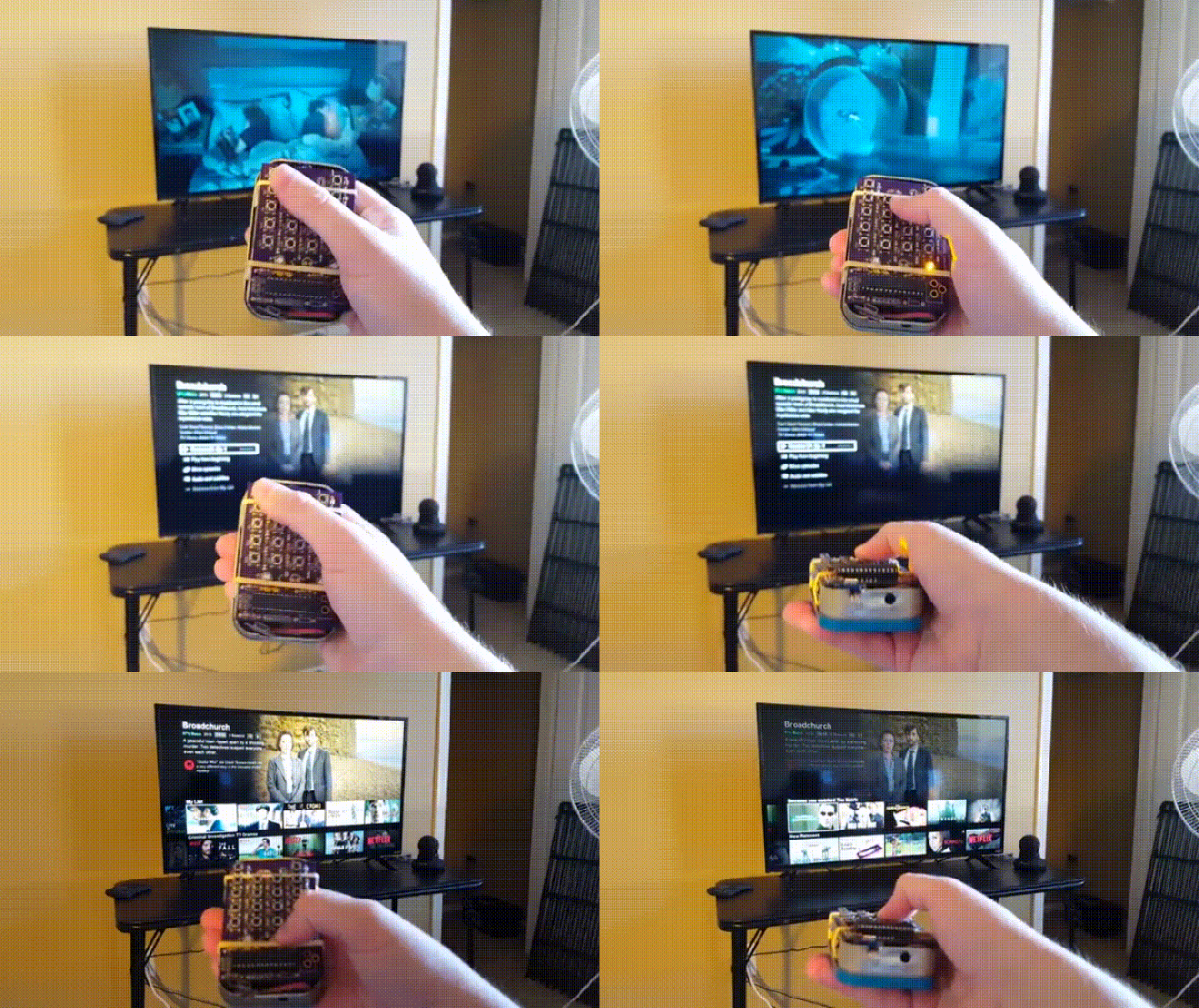
A couple years ago my TV remote broke. I had used one of those universal remote phone apps as an alternative for a while, but that just got really frustrating. Without the tactile feel of buttons it was too easy to press wrong buttons on my smart phone; accidentally pressing mute, stop or changing the channel / input, etc.
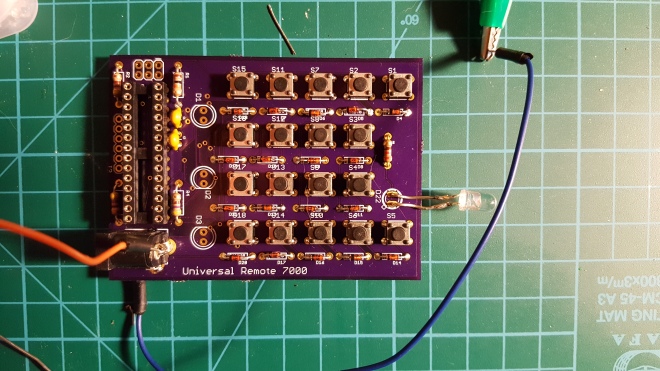
I considered just ordering a cheap replacement remote off of Ebay for a few dollars but part of me wanted to take advantage of the situation and make one from scratch using the atmega328p chip used on the famous Arduino Uno. I had been tinkering with the atmega chip quite a bit at the time and was also exploring the process of designing circuit boards using cad software.
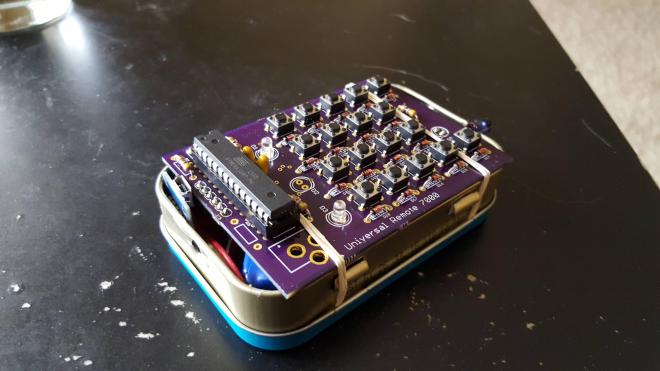
I loved the idea of designing a circuit board from scratch & filling it with circuits. This seemed like the perfect project for me – being able to use my beloved arduino chip, design and populate a circuit board with circuits & fashion some kind of project case (altoids tin) to put it all in. I went for it.
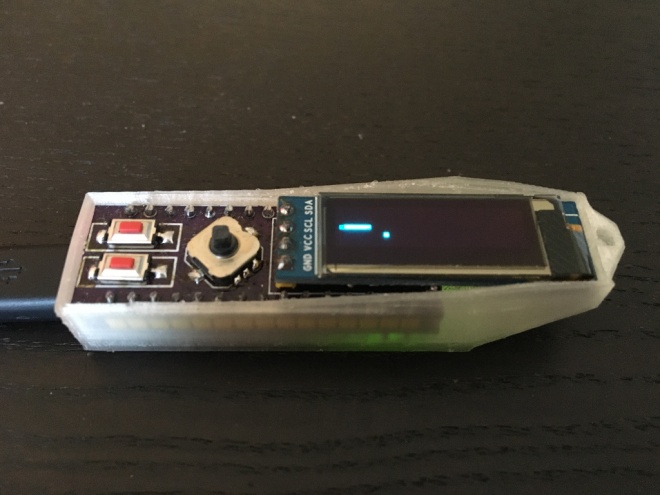
Playing classic Snake on the Fiddle. Developed by Mauricio Togneri using the Dooba SDK
From Bastiaan on Hackaday.io:
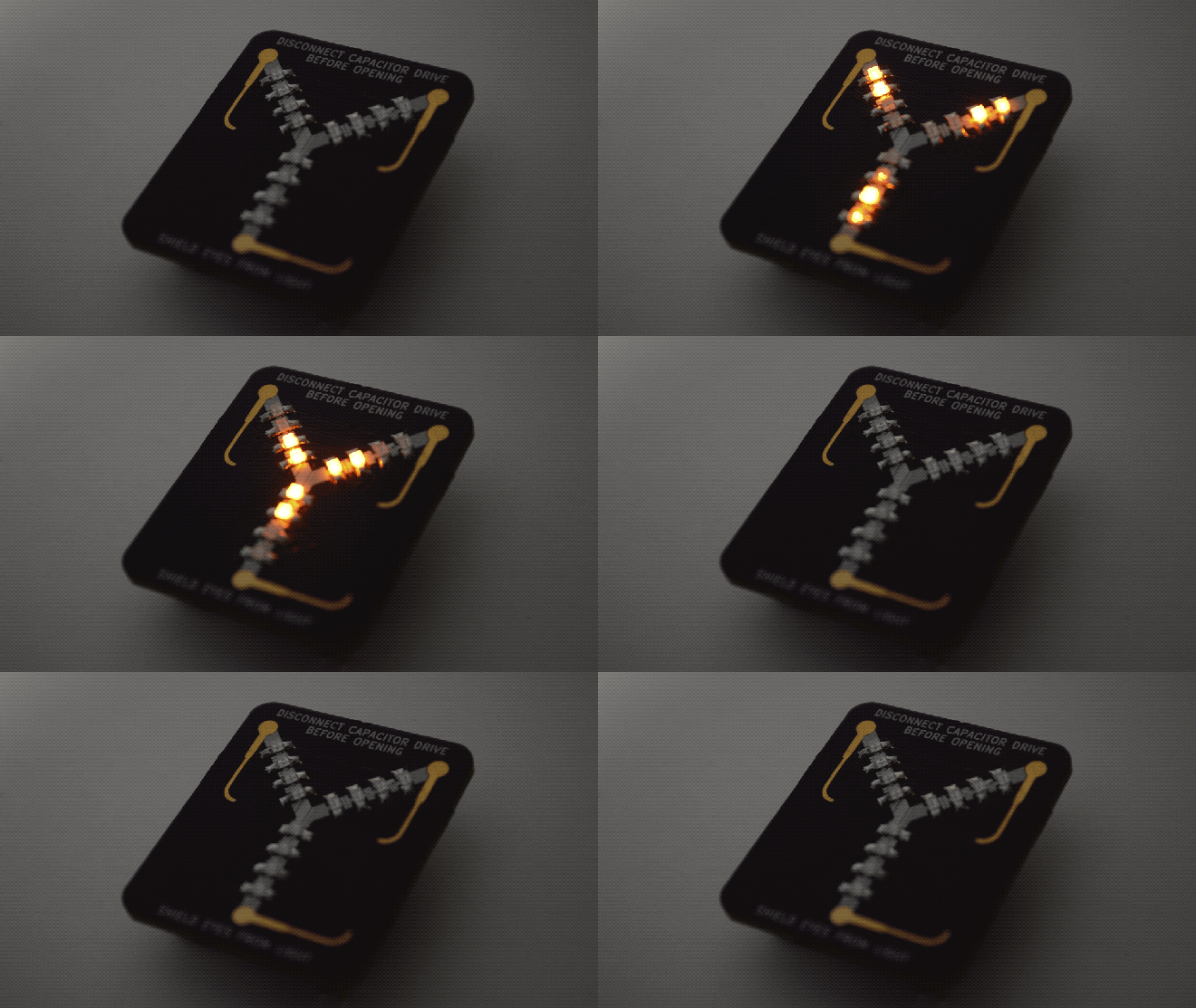
Design of a small PCB prop simulating the flux capacitor from Back to the Future


From Jeremy Cook on the Tindie blog:
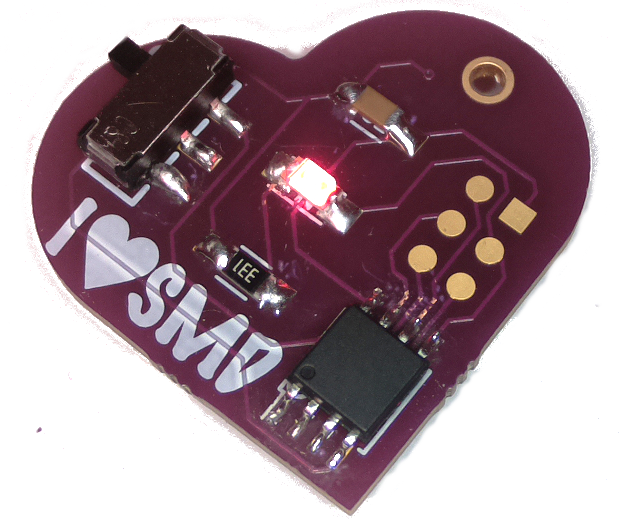
For those of you reading this that are generally quite clumsy, favoring electronics that use screw terminals over everything else, then perhaps you should stop reading here. Yes, today I’ll be talking about surface mount devices, commonly known as SMDs. According to the Collin’s Labvideo seen below, “The process is pretty straightforward once you get used to the scale,” and “It’s actually quite relaxing.”

[dombeef] originally built pocketTETRIS as a Father’s Day gift for his Tetris-loving pops. However, having finished the project he’s decided to share it with the universe, and it’s looking rather sweet. He made the game the smallest he could make, with size limitations imposed by a 0.96” OLED display, the coin-cell battery pack, and his desire…
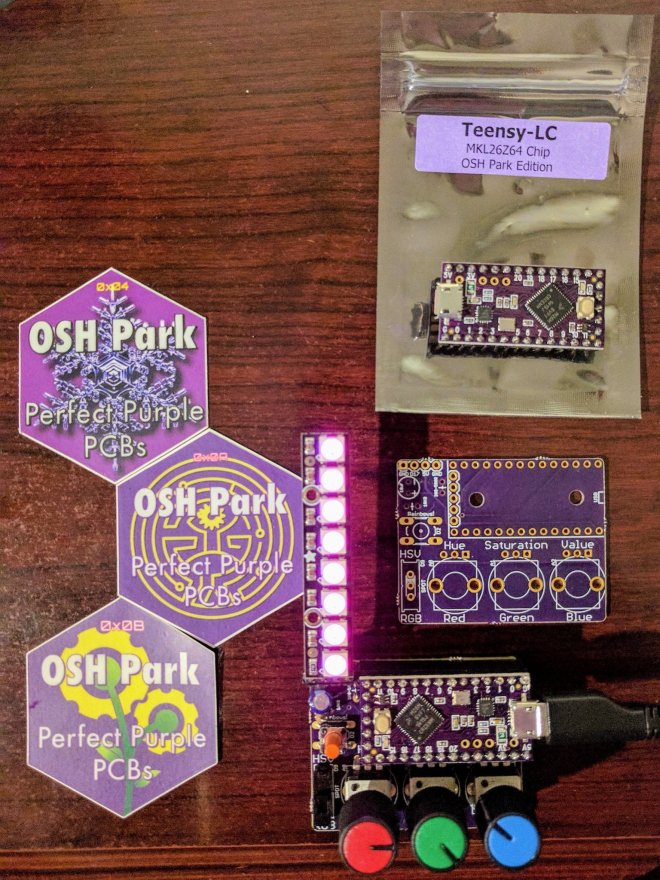
FastLED RGB & HSV Tutorial by Jason Coon for Maker Faire Kansas City:
Educational tutorial that teaches basic soldering, Arduino, and FastLED using NeoPixel RGB LEDS, Teensy LC, potentiometers, a button, and a switch
From Jeremy S Cook on the Tindie blog:
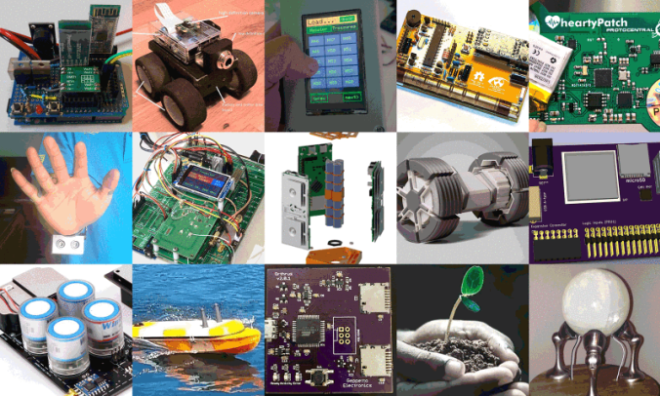
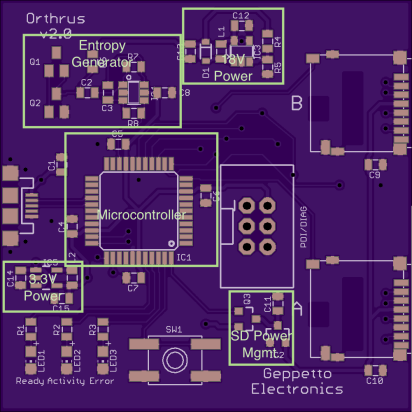
The first comes from Nick Sayer of Geppetto Electronics. His store includes a variety of interesting hardware devices, but his Hackaday Prize entry, an encryption system named Orthrus, is different from anything seen there.
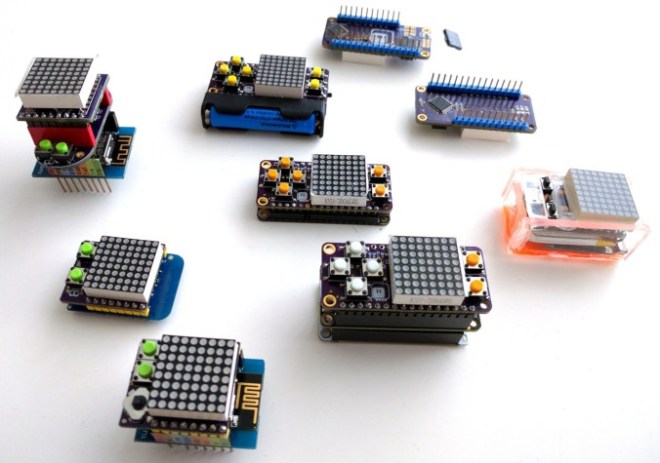
Keeping data secure is important, but if you simply need a little entertainment, or perhaps are looking for a good way to program in CircuitPython, Radomir Dopieralski of the Deshipu Store has a new idea with the PewPew FeatherWing project. According to its description

The latest release of EAGLE builds a bridge between mechanical design and electronic design. Version 8.3 rolls in the ability to synchronize between EAGLE and Fusion 360. You can now jump between mechanical design and PCB layout without the need for extra steps in between. This is the first release of EAGLE that highlights what…
via New Release Makes EAGLE and Fusion 360 Besties — Hackaday


 OSH Park