If you are selling electronics kits and are hand picking and bagging components you’ll know it can be a time consuming affair. Add to that the fact that each of your kit needs some wires cut to length and it can all get quite frustrating! This automatic wire cutter takes the pain out of adding custom length wires to your product.
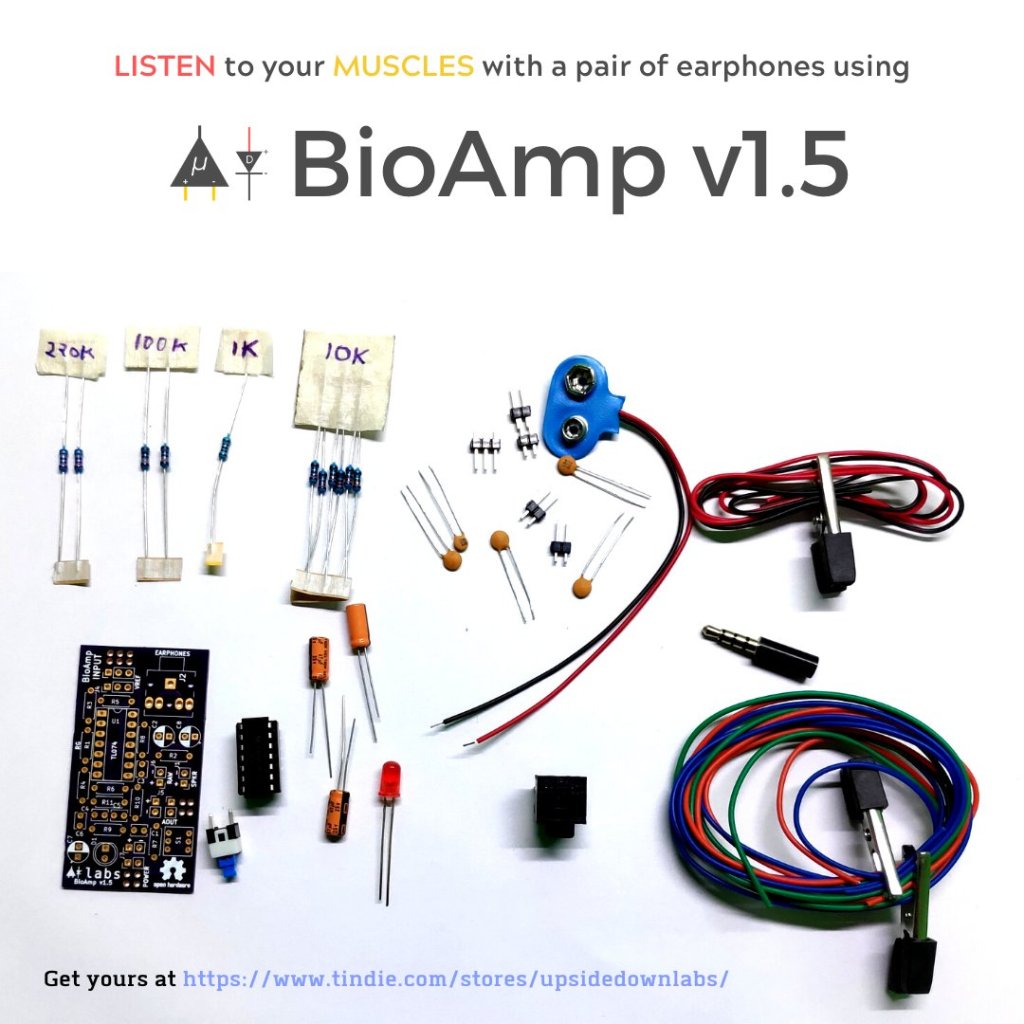
BioAmp v1.5 is a single chip biopotential amplifier. It can record any biopotential signal non-invasively and doesn’t require any microcontroller to sample the signal. You just plug 9v Battery to board, Electrodes to body and Audio jack to Mobile/Laptop and you are ready to record signals like EMG, ECG, EOG, and EEG. You can record the signals on a pc using audacity OR on mobile using Backyard Brain’s spike recorder app.
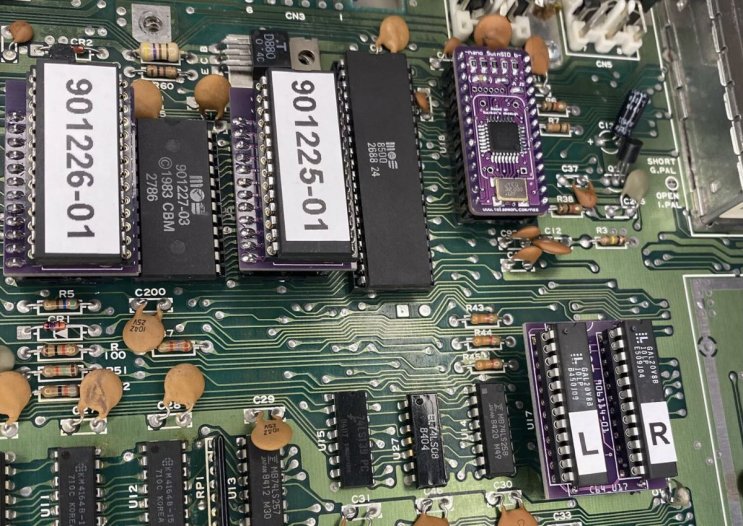
The SID Chip is one of the most hallowed components of electronic equipment, housed inside the original Commodore 64 and responsible for some of the most iconic chiptunes ever made. The Commodore 64 & 128 GOLD SID Sound Interface Device is a direct replacement for the original SID chip which will ensure the rare and valuable chip is safe, while accurately replicating its output and performance.
The chip installation will include desoldering the original chip, which will require some advanced soldering skills – but there are many tutorials online which will help you with this and it can be done however scary it may seem! The SID chip in the Commodore 64 came in two versions – the MOS 6581 and the 8580, both of which can be replaced by this neat board.
Most people find two problems when it comes to flip-dot displays: where to buy them and how to drive them. If you’re [Pierre Muth] you level up and add the challenge of driving them fast enough to rival non-mechanical displays like LCDs. It was a success, resulting in a novel and fast way of controlling flip-dot displays.
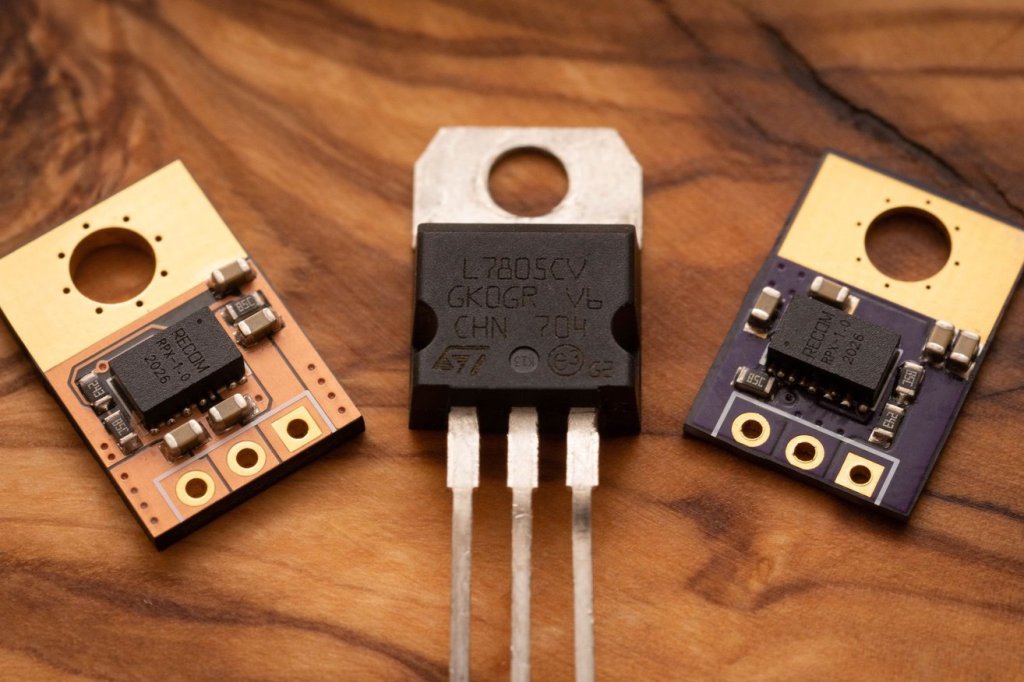
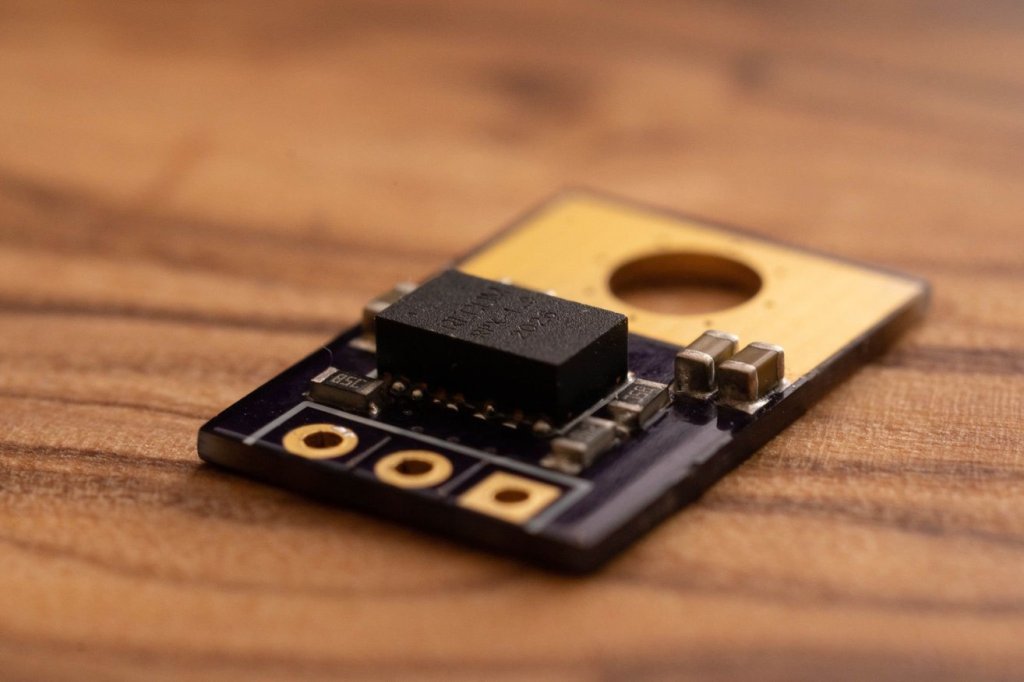
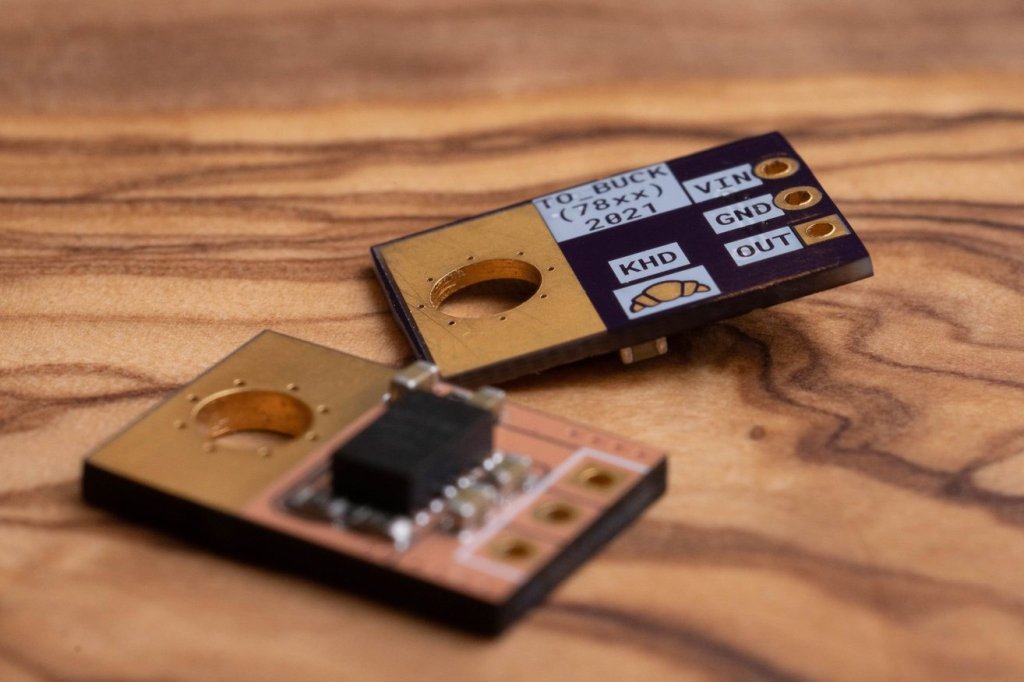
Swap out your LDO for a switcher today, with these designs for a modern take on the TO-220 mounted LM1117 and 78xx series LDO regulators! This project is my take on a quick and easy replacement for the 3-pin LDO. The aim is to replace TO-220 linear regulators with a switching converter, in pursuit of higher efficiencies and current capacity.
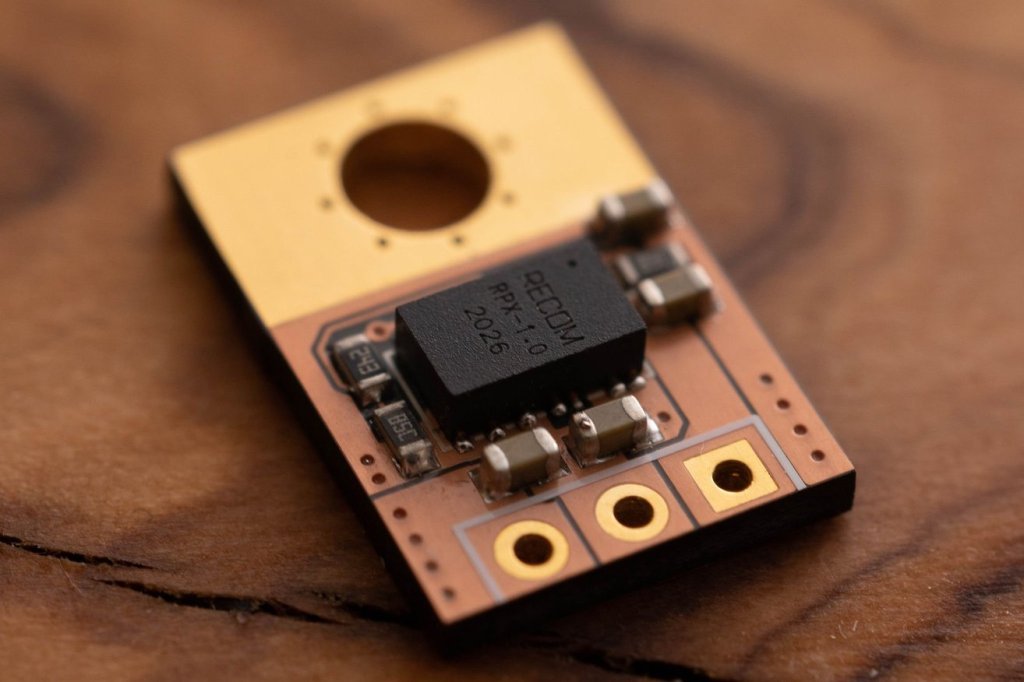
Using a Recom RPX series DC-DC module for its small size and incorporating SMD feedback resistors and bulk capacitance on board allows for a drop-in replacement to existing LDO designs, while remaining in the same overall footprint as the counterpart.
As LM1117 LDOs have a different pinout to the 78xx series of regulators, I designed two versions of the layout.
Got the boards in from @oshpark and got them put together! I'm pretty happy with how well they work. Its crazy that the silk is so sharp when each letter is less than 1mm across!
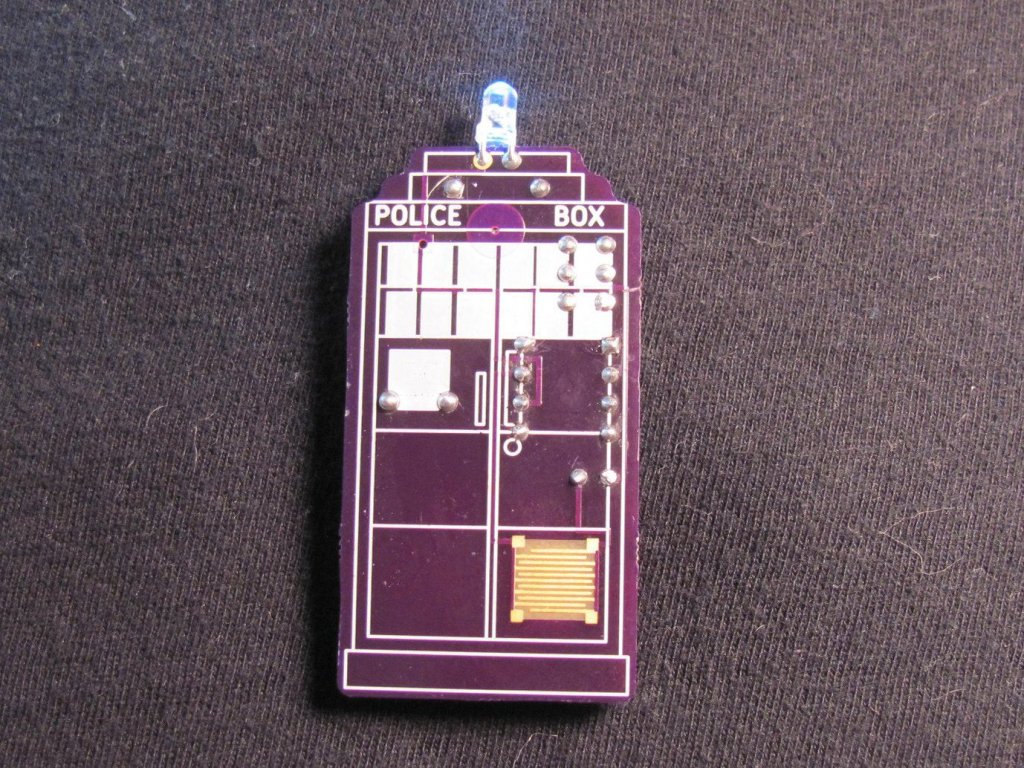
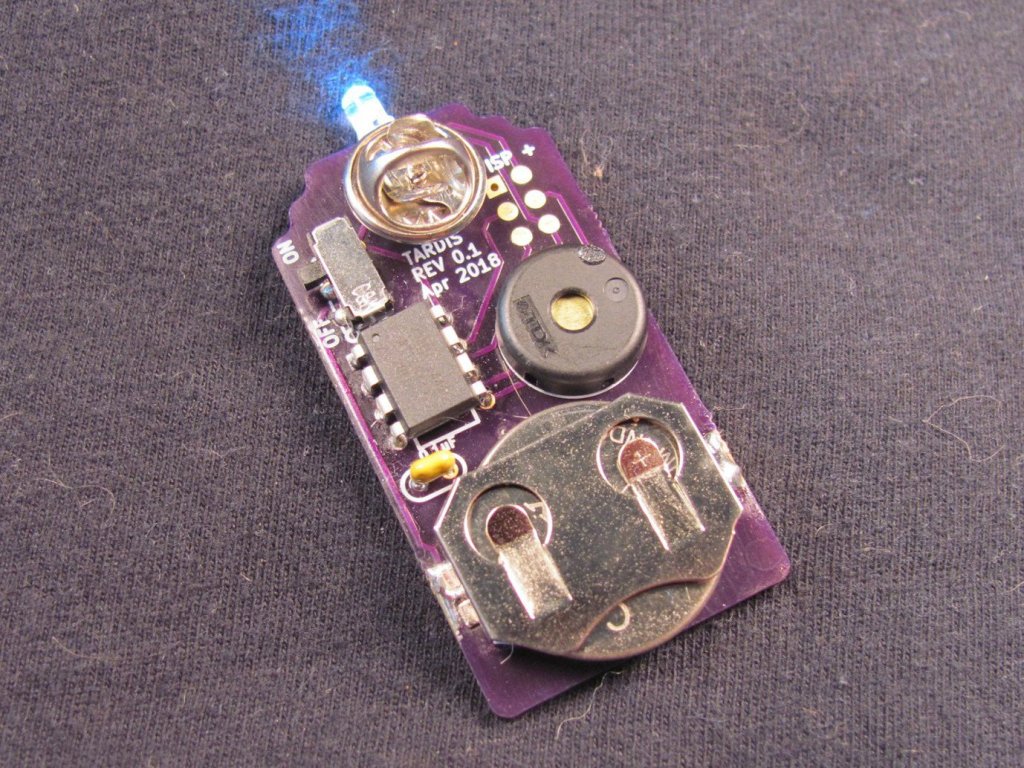
Show off your Doctor Who cred with a DIY badge you can solder yourself. Powered by an Attiny85, lights and sounds like an 8-bit TARDIS. CR2032 Battery not included.
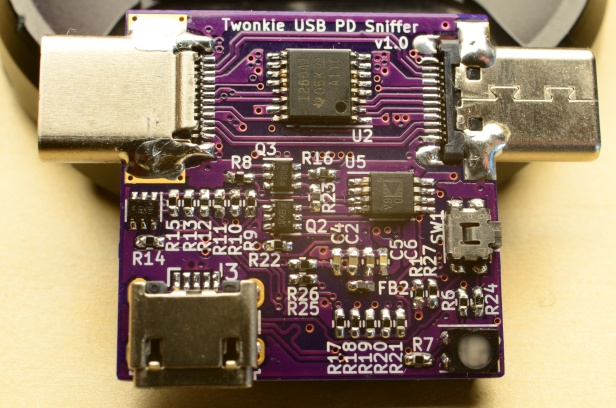
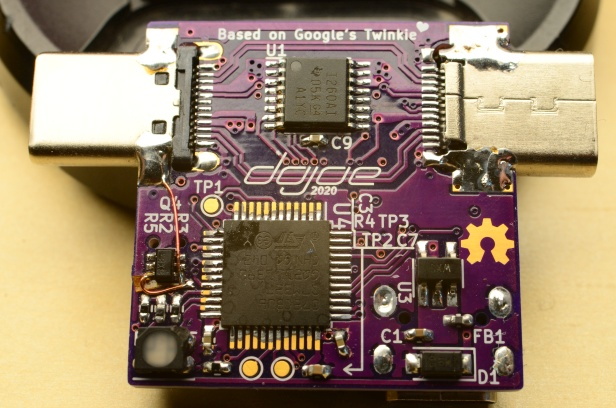
If you want to hack around with the communication protocol that USB Power Delivery devices use to negotiate their power requirements with the upstream source, a tool like Google’s Twinkie really helps. With it you can sniff data off the line, analyze it, and even inject your own packets. Luckily for us, the search giant made the device open source so we can all have one of our own.
Unfortunately, as [dojoe] found out, the Twinkie isn’t particularly well suited for small-scale hobbyist manufacturing. So he came up with a revised design he calls Twonkie that replaces the six layer PCB with a much more reasonable four layer version that can be manufactured cheaply by OSHPark, and swaps out the BGA components with QFP alternatives you can hand solder.
[Attoparsec] has been building intriguing musical projects on his YouTube channel for a while and his latest is no exception. Dubbed simply as “Node Module”, it is a rack-mounted hardware-based Markov chain beat sequencer. Traditionally Markov chains are software state machines that transition between states with given probabilities, often learned from a training corpus. That same principle has been applied to hardware beat sequencing.
Each Node Module has a trigger input, four outputs each with a potentiometer, and a trigger out. [Attoparsec] has a wonderful explanation of all the different parts and theories that make up the module at the start of his video, but the basic operation is that a trigger input comes in and the potentiometers are read to determine the probabilities of each output. One is randomly selected and fired. As you can imagine, there are loops and even dead-end nodes and for some musical pieces there is a certain number of beats expected, so a clever reset signal can be sent to pull the chain back to the initial starting state at a regular interval. The results are interesting to listen to and even better to imagine all the possibilities.
I have a couple of new PCBs being made by OSHPark . They are awesome as usual and have kept up during this pandemic. Which is a tuff thing to do. The first PCB is my IOBuddy shrunk down to smaller size. Its called the AtomIO
As you can see from the render it has 3 Outputs (LED) and 2 Inputs (BTN). It’s tiny as heck and will help keep breadboards less full. The LEDs are tied to GND with a Resistor so all you have to do is supply 2v to 6v to turn them on. The buttons are pulled low via 10k – 22k ohm. So when pressed they output a HIGH signal. What ever is on the power rail it is connected to.
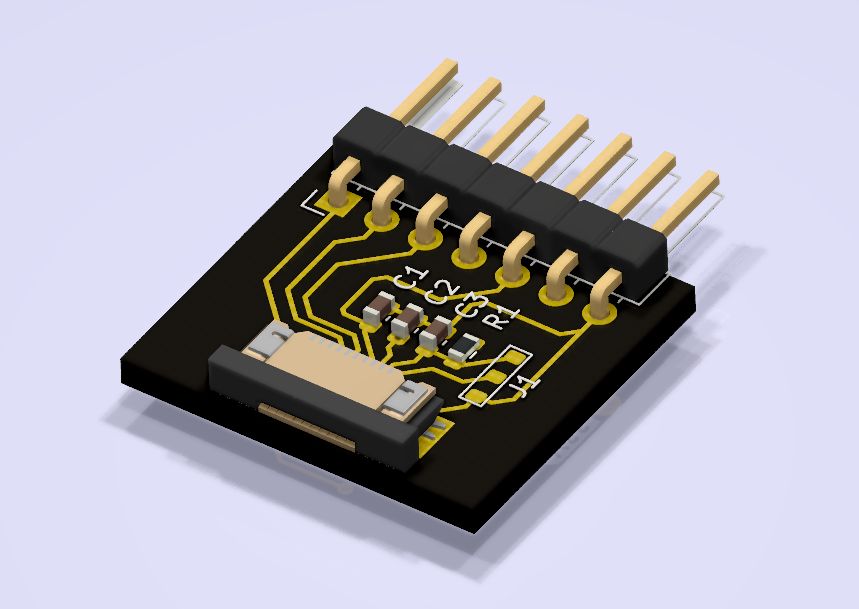
The next board I have on the way is more of an internal use PCB but may sell it if wanted enough. its a simple breakout for those memory LCDs from sharp. The LS027B7DH01 to be exact. I call it the AtomSharp.
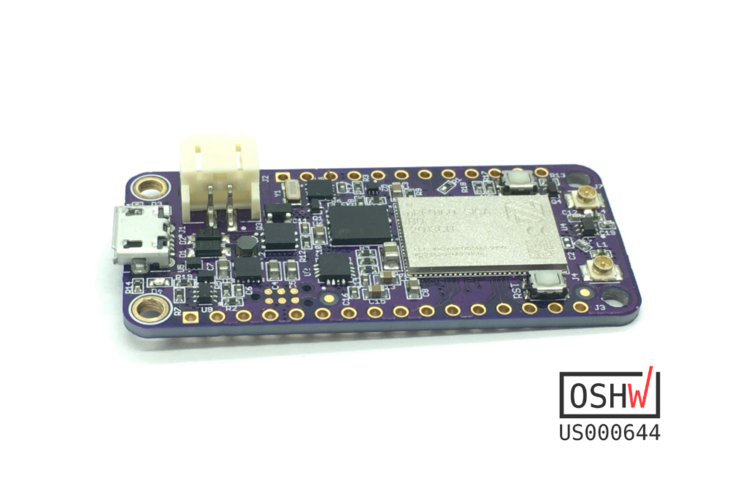
The nRF9160 Feather by Jared Wolff (aka Circuit Dojo LLC) is an electronics development board. It features tghe nRF9160 by Nordic Semiconductor. This part is capable of both CAT M1 LTE and NB-IoT for communication with the outside world. It’s compatible with the Zephyr RTOS which is fully baked into Nordic’s nRF Connect SDK. Other toolchains and languages coming soon to a Github repository near you.






 OSH Park