
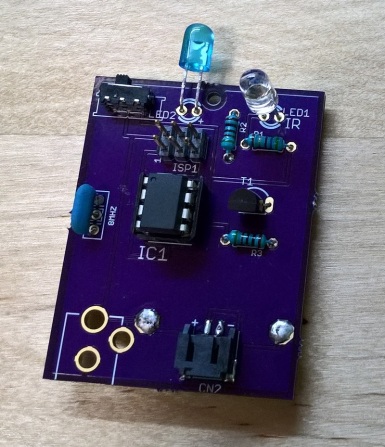
Petezah: Virtual Wall
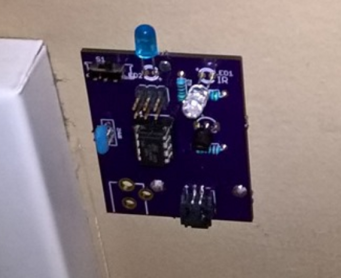
This design files and source code are hosted on GitHub:
 /roomba_wall_v2
Petezah has shared the board on OSH Park:
Roomba Virtual Wall v2 – rev A
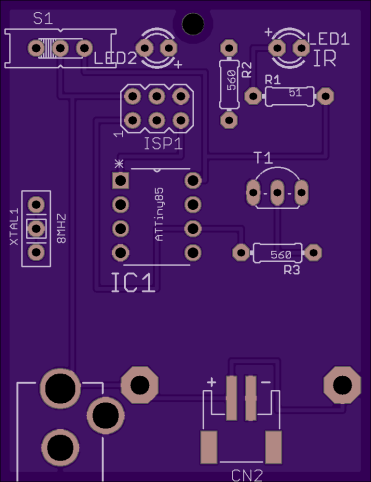

This design files and source code are hosted on GitHub:
/roomba_wall_v2
Petezah has shared the board on OSH Park:

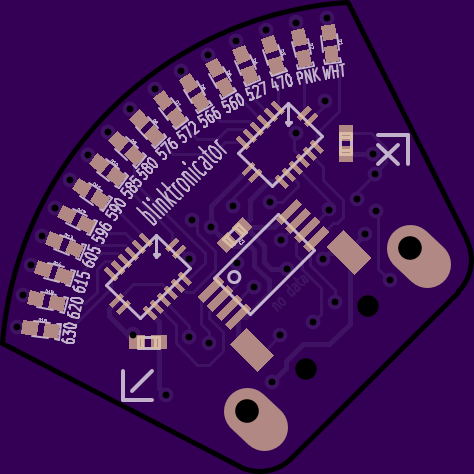
You think you’ve seen everything that there is to see regarding blinking LEDs and then a simple little trick proves you wrong. Our friend [Zach Fredin], aka [Zakqwy], added a pander mode to his blinky board which shows the Hackaday Jolly Wrencher in a Persistence of Vision mode. We love pandering, and obviously you just…
via Blinktronicator’s POV Sends Our Eyebrows Rocketing Skyward — Hackaday
The board is shared on OSH Park:
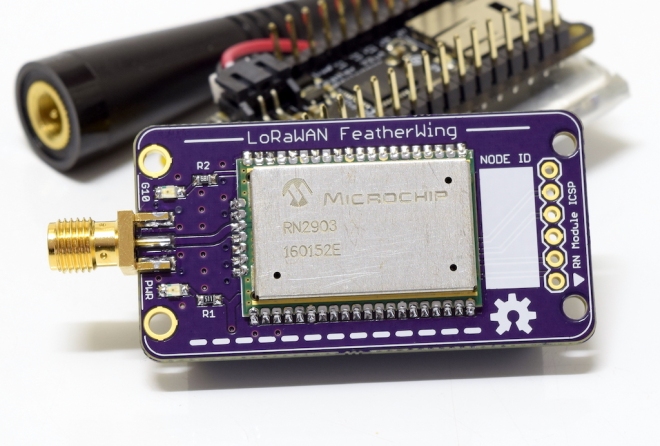
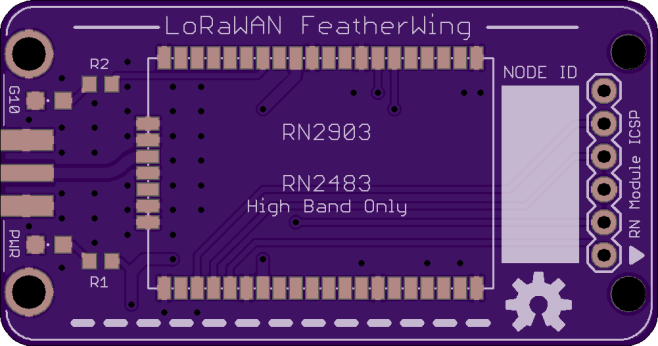
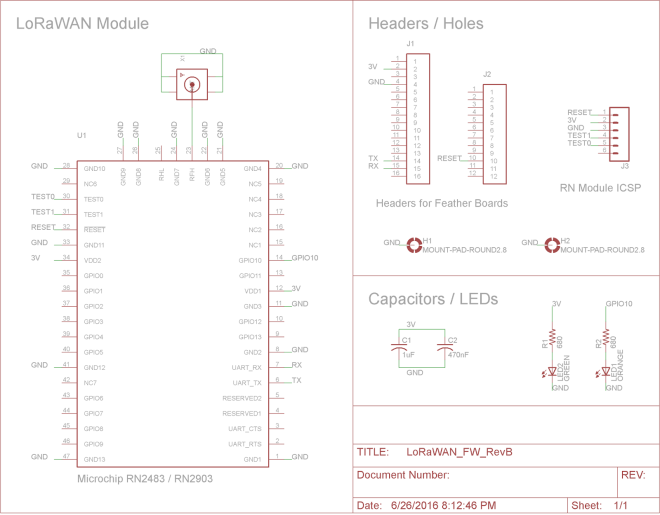
Dan Watson has designed a new FeatherWing that adds the MicroChip RN2483/RN2903 LoRaWAN module to Adafruit Feather:
Help your Feather fly into the IoT clouds with this awesome LoRaWAN module from MicroChip.
SyncChannelBlog has shared the board on OSH Park:
Nick Sayer created this GPS disciplined high precision oscillator to generate a very accurate 10 MHz square wave: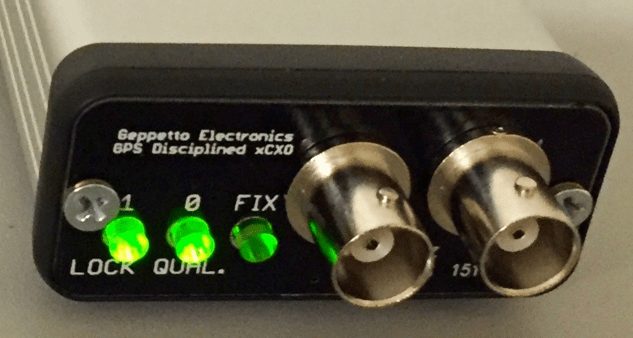
The basic design of the project centers around either a VCTCXO – a Voltage Controlled Temperature Compensated Crystal Oscillator or a VCOCXO – a Voltage Controlled Oven Controlled Crystal Oscillator.
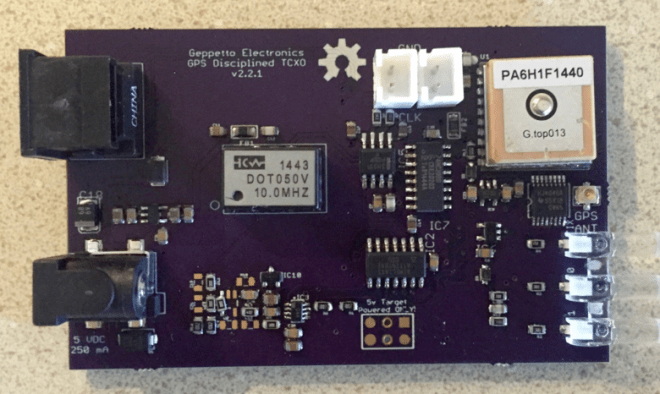
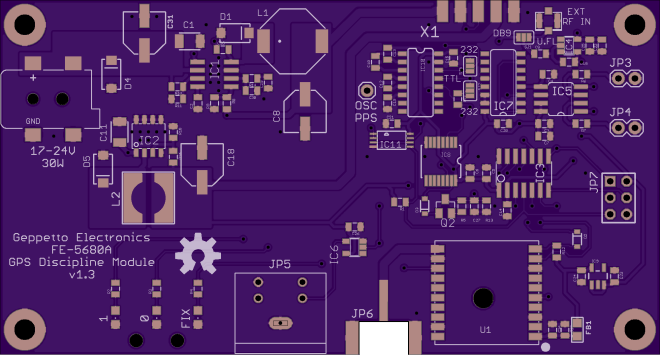
Geppetto Electronics sells the module on Tindie:
A GPS disciplined 10 MHz frequency standard – ±1 ppb or ±0.1 ppb
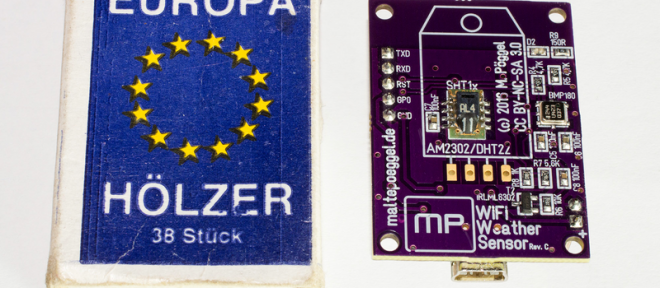
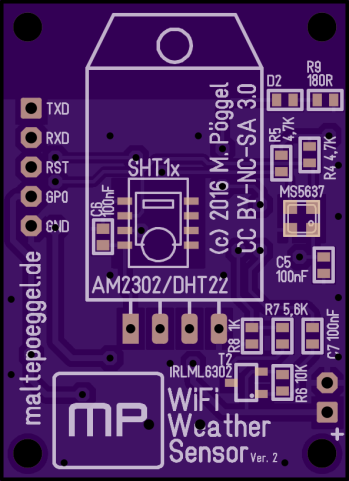
created a tiny weather station based on the ESP8266:
Push the measured temperature, humidity, pressure and battery voltage to the cloud or local servers in defined intervals. Configuration is done by using a simple web browser.
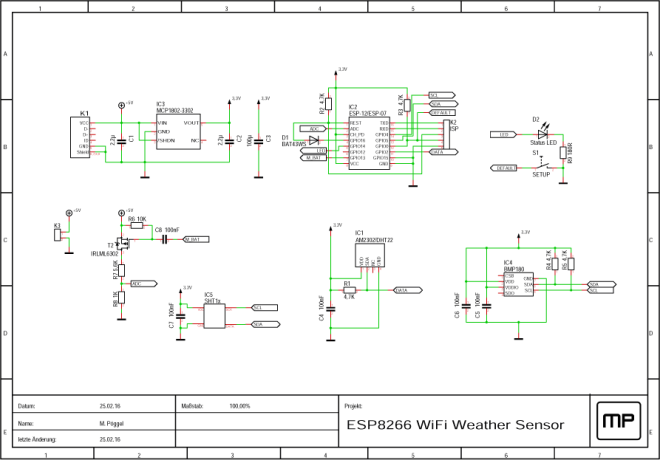
MalteP has shared the board on OSH Park:
Pesky Products created this convenient way to power Teensy 3.x from a LiPo battery :
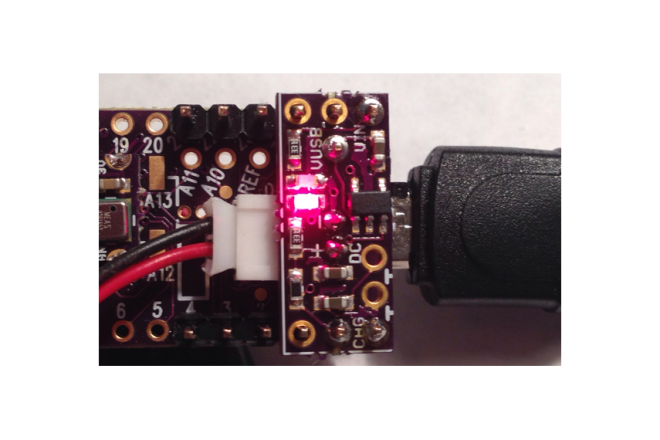
This is an “appallingly small” add-on shield for Teensy 3.1 [..] The heart of the board is the MAX1555 battery management chip by Maxim Integrated.
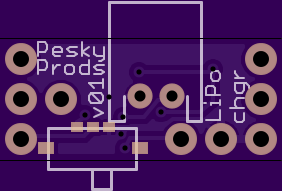
PeskyProducts has shared the board on OSH Park:
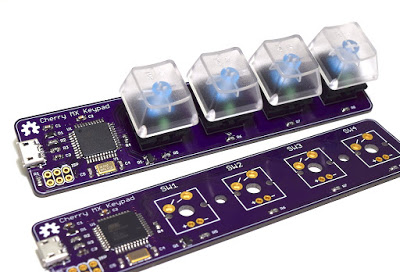
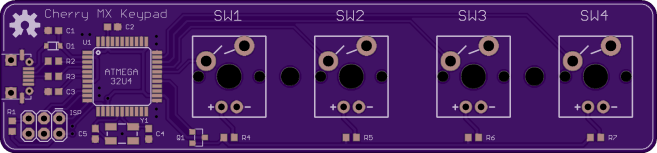
Dan Watson created an Arduino-compatible Cherry MX keypad with an Atmel ATmega32U4 microcontroller:
The design files and source code are shared on GitHub:
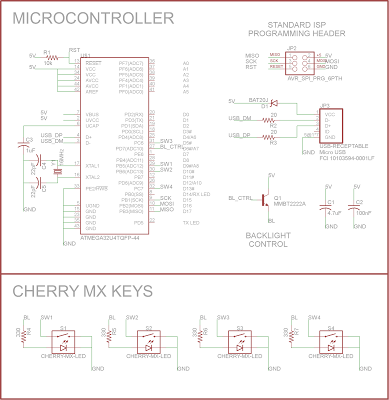
SyncChannelBlog has shared the board on OSH Park:
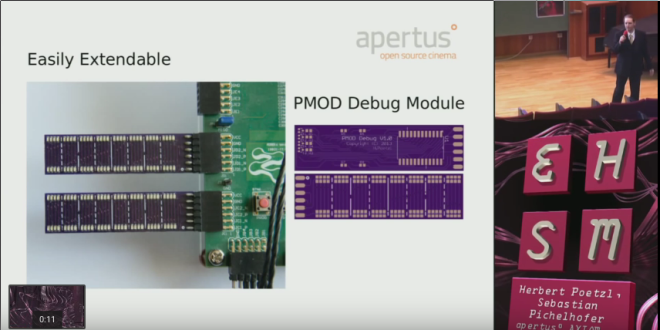
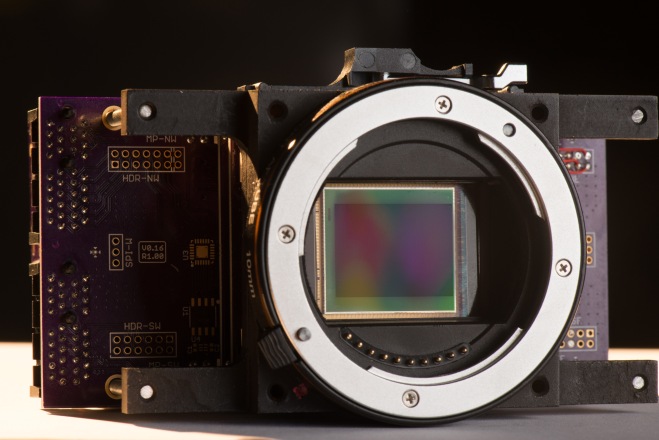 We are very excited about Apertus and their mission to create an Open Source Cinema Camera:

The goal of the award winning apertus° project is to create free and open technology for todays professional cinema and film production landscape and make all the generated knowledge freely available.
The apertus° project is based on software free to be used for any purpose, free to be studied, examined, modified and redistributed – which includes distributing your modified versions. Hence, products and services developed by apertus° are almost exclusively released under GNU General Public License V3 . * Documentation provided is licensed under the Creative Commons License and the hardware under the Cern Open Hardware License .
Apertus ran a crowd-funding campaign in 2014 that raised €204,568:
Notice purple PCBs in the video? We are very proud that Apertus has been using OSH Park to make boards since 2013!
Their GitHub organization contains software and hardware:
For example, their alpha-hardware repo contains
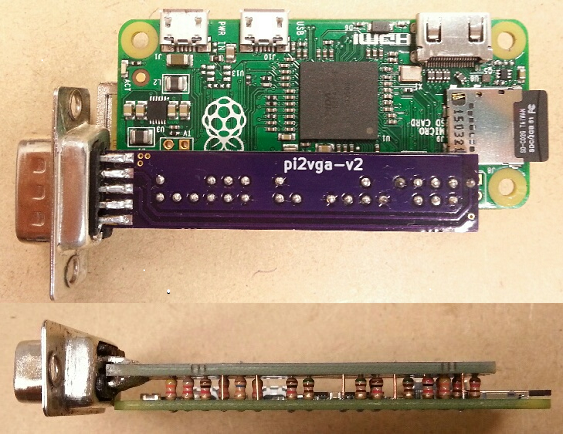
Hackaday.io user mincepi wanted a VGA output on his Raspberry Pi Zero. His quest led him to design a PCB that mates with a VGA monitor and the Pi board and–according to his estimates–costs about $3.62 each (although to get that price, you have to build three).
mincepi has shared the board on OSH Park:
More details are on minepi’s website:
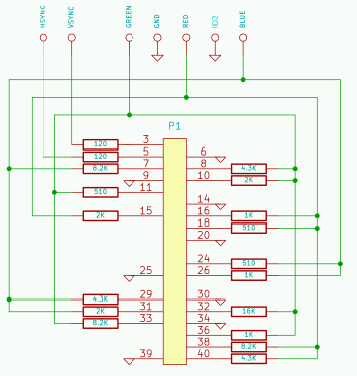
The vga666 by Gert is already a low cost VGA output option for the Pi. But we can do better with the Zero! First, we’ll use 16 bit output instead of 18 bit. This frees up the SPI and I2C ports with little loss in quality. The resistors can also be soldered between the Zero and the adapter, making the PCB smaller and eliminating a connector. I’ve also determined that 5% resistors are good enough: no need for higher cost 1% units. And by not using the middle row of pins in the HD15 connector, we can straddle-mount it on the PCB edge. The connector can be male, so the Zero will connect to the monitor ChromeCast style: no VGA cable needed. (This connector could even be scrounged from an old VGA monitor cable for free!)
Download / Order: Octoscroller v1.3
Trammell Hudson created the Octoscroller cape to connect the BeagleBone Black to the Adafruit 16×32 RGB LED matrix to create the dazzling Octoscroller display at NYC Resistor hackerspace:
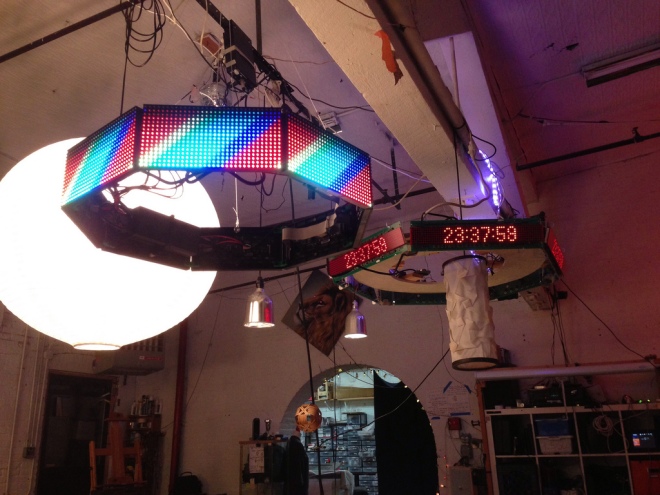
“Hexascroller has been a central fixture at NYCR for the past few years, with a few ups and downs. It’s replacement, Octoscroller, improves on our classic message alert polygon by having two more sides and two more colors of LEDs.”
Trammell has more awesome projects that use the Octoscroller cape and LEDscape:
“interactive art piece built for the NYC Resistor 2014 Interactive Show. It is built with the Octoscroller / LEDscape control board and sixty-four of the 32×16 RGB LED matrices. It has both interactive and non-interactive modes and has been exhibited at many art festivals.”
“Cubescroller is a six-sided hanging cubical art piece. It uses the LEDscape code and maps it onto a cube of six 32×32 RGB matrices with roughly 24-bit color.”
“Pixel-for-pixel replica of the NYC subway countdown clocks. These tell when the next train will be arriving; my plan is to hook it into the MTA’s real-time data feed so that we can display authentic times for our office and hackerspace.”





 OSH Park