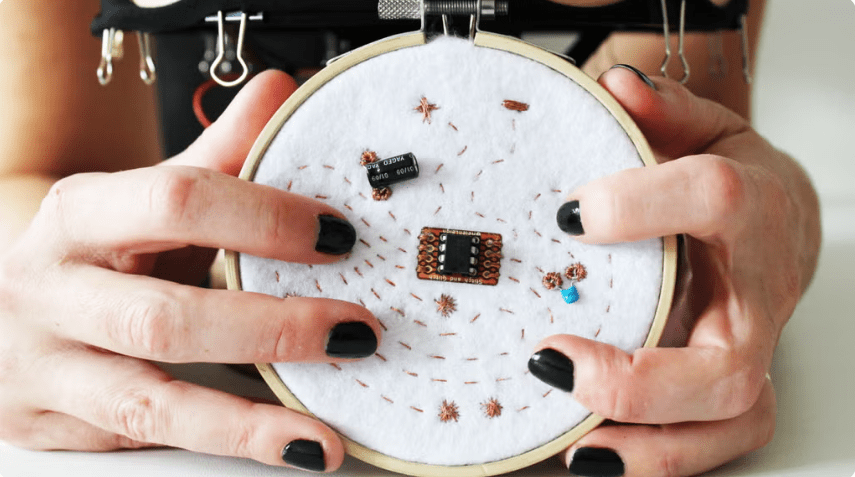
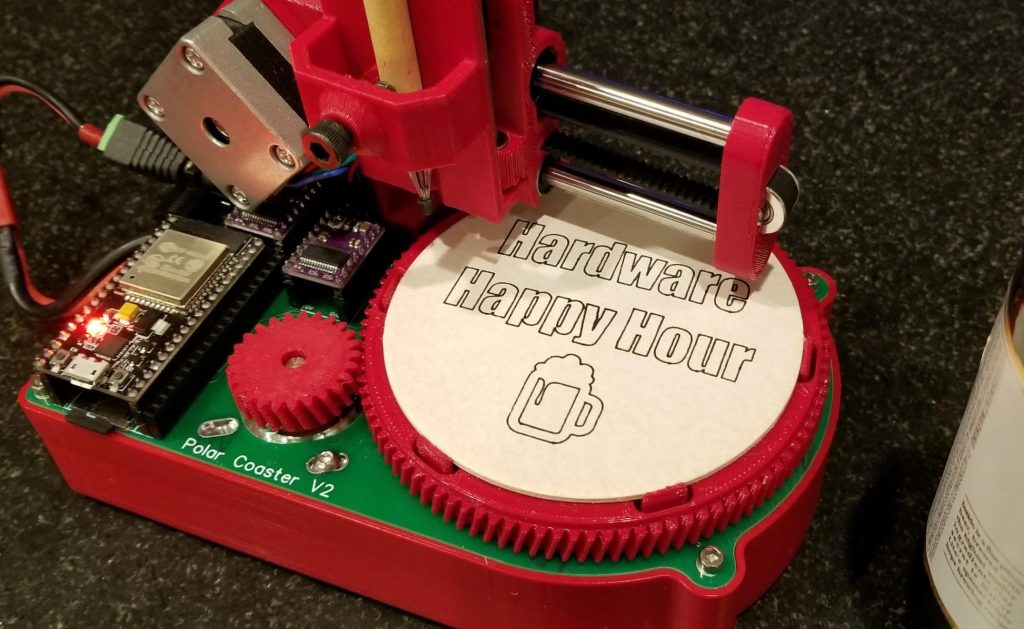
Hey Portland! Hardware Happy Hour is tonight, February 18th, at the Bye and Bye on Alberta. It’s an informal way to socialize, show off your projects, and talk about the world of hardware. From beginner to expert, all are welcome!
Can’t make it tonight? It’s a monthly a event so signup to the meetup page to find out about the next one.
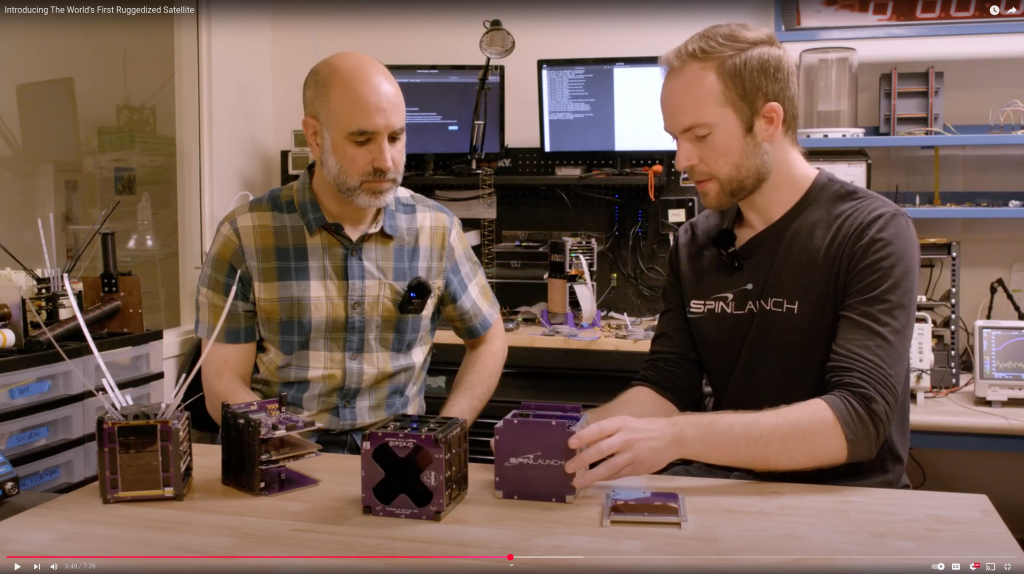
Think satellites are too fragile to survive high-g environments? Think again. We’re excited to unveil our latest ruggedization milestone: spinning a Portland State University satellite to 10,000Gs! Partnering with Portland State’s satellite program, OreSat, we demonstrate the feasibility and process of ruggedizing off-the-shelf spacecraft. Learn how strategic design tweaks and a shift of engineering intuition pushed an existing satellite over the finish line, ready to be launched with SpinLaunch’s revolutionary technology.
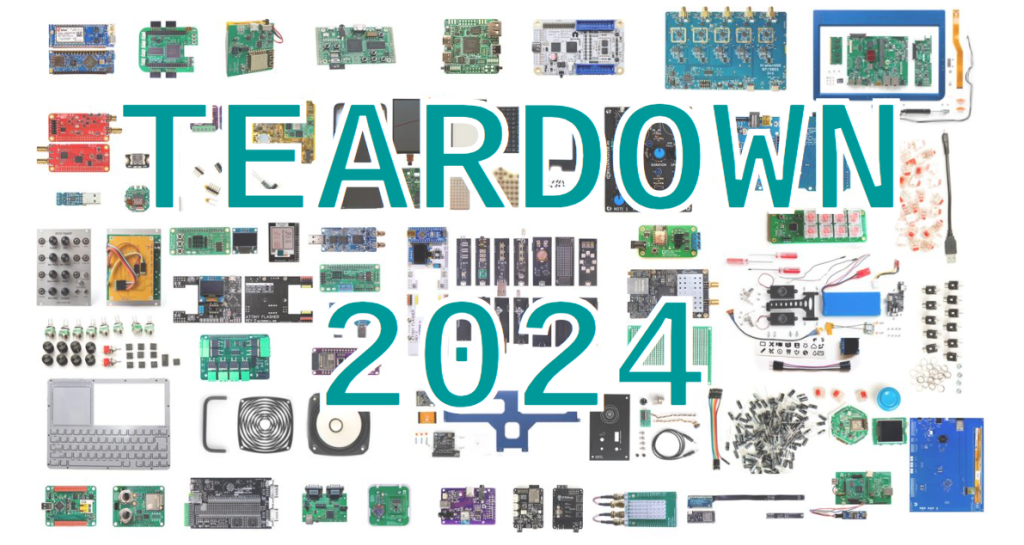
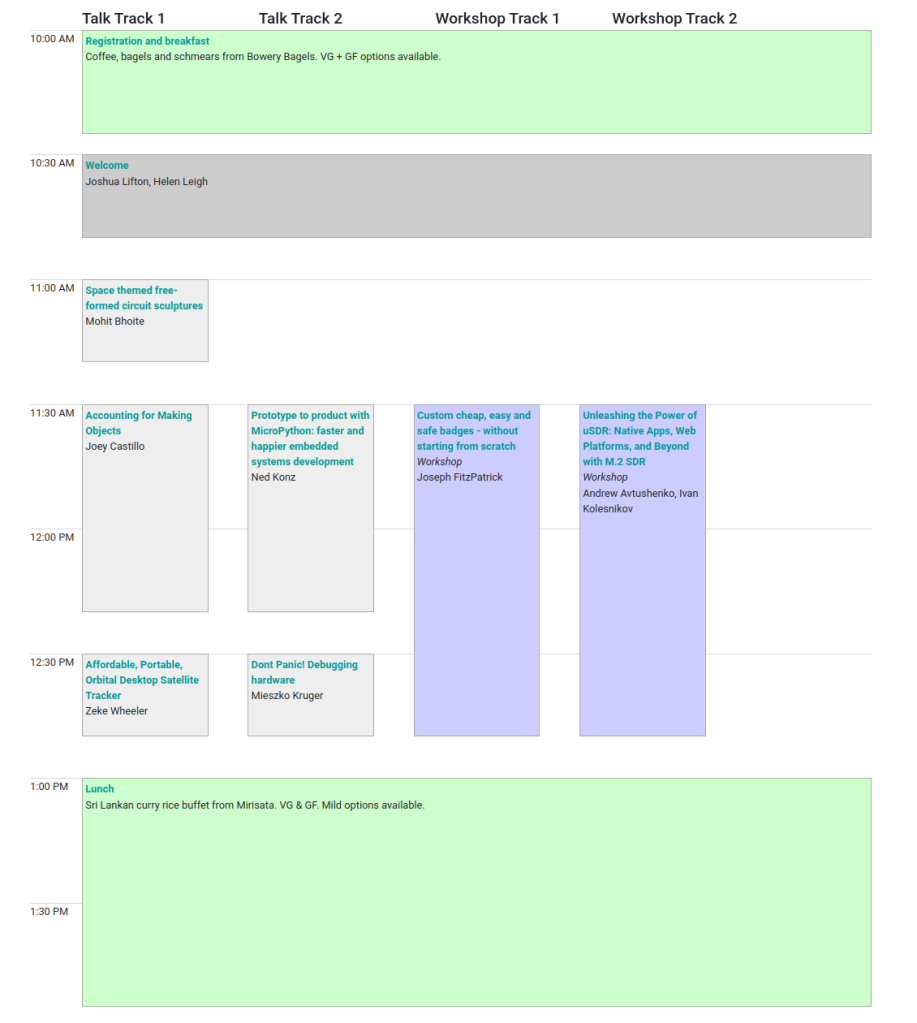
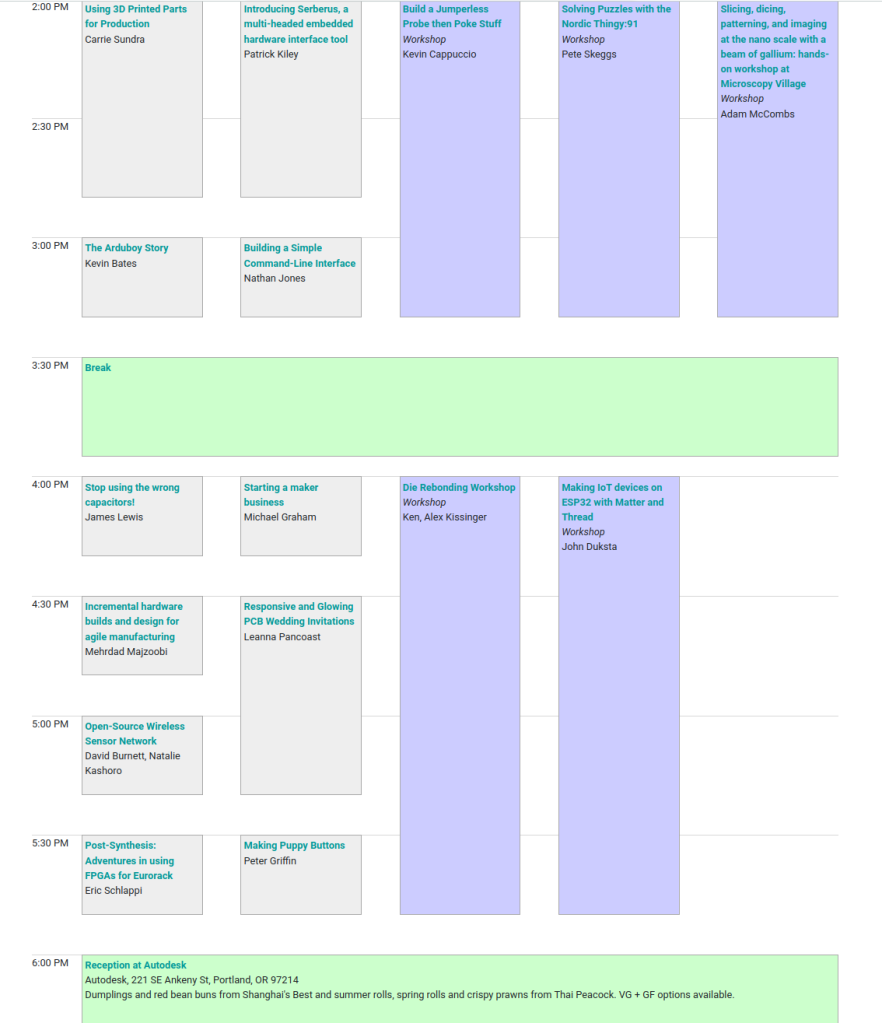
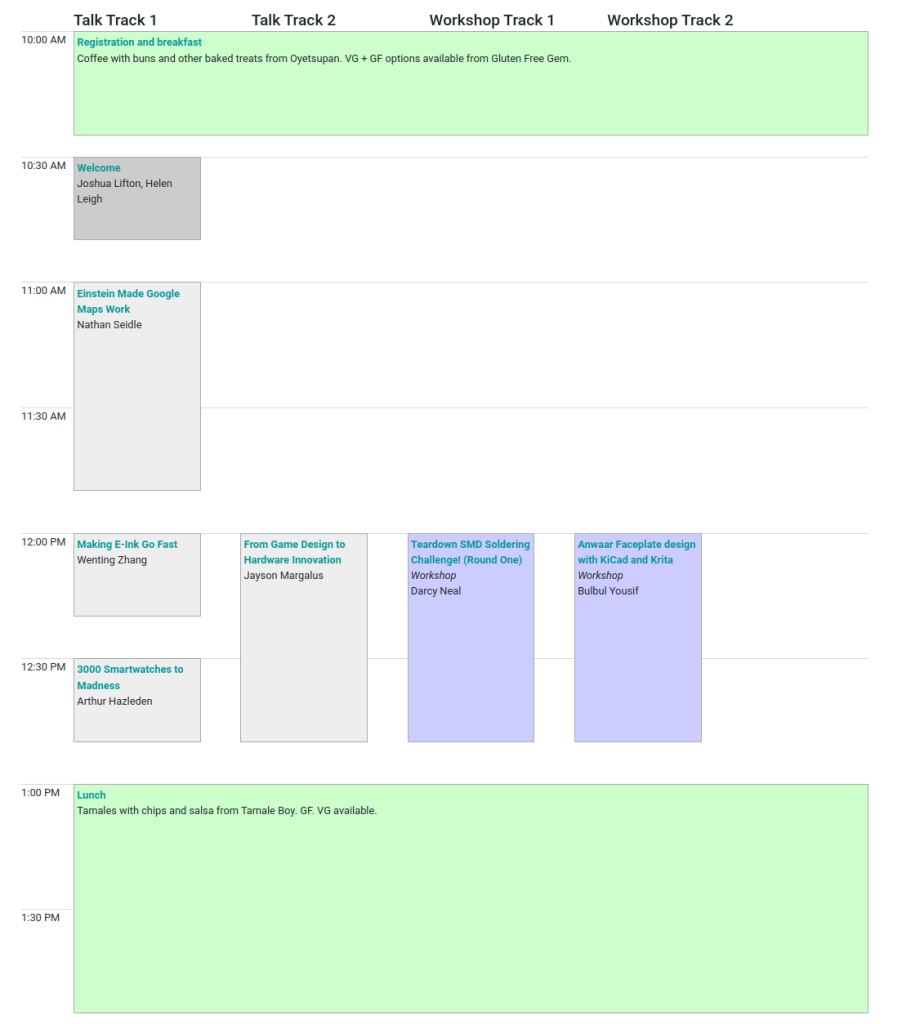
Talks, workshops, installations, demos and space to hack – check out last year’s line up
Who?
Anyone interested in hardware: engineers, designers, artists, educators or enthusiasts
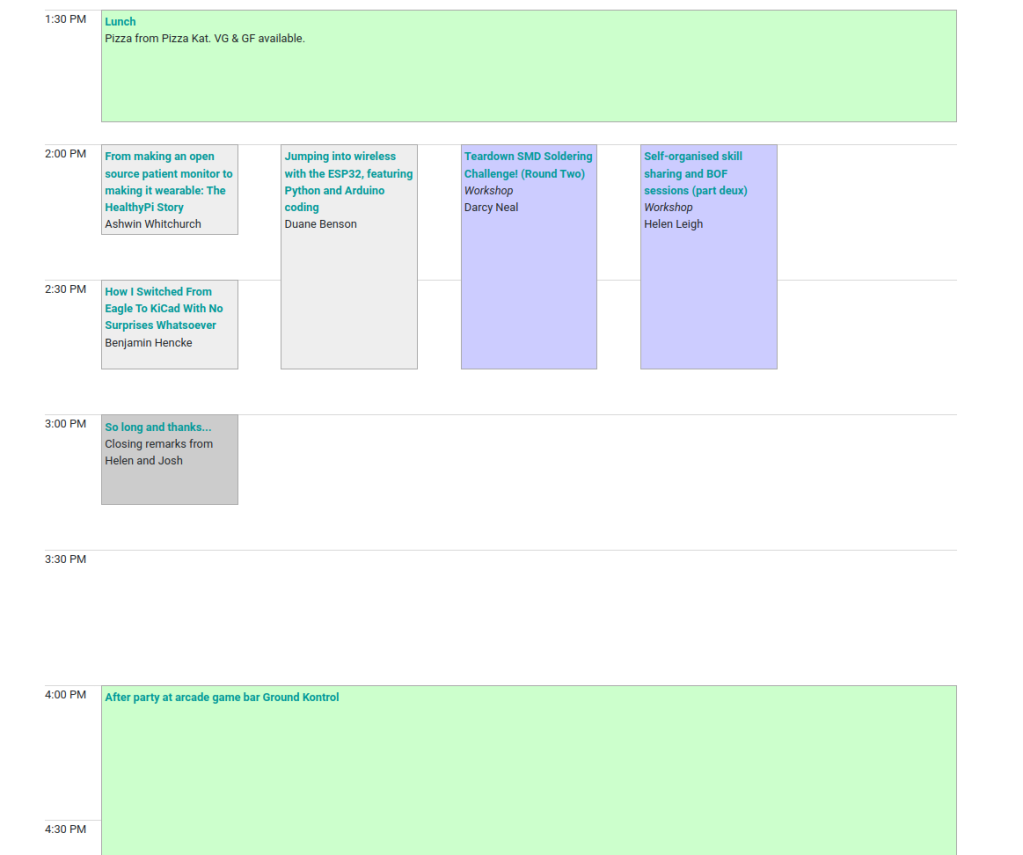
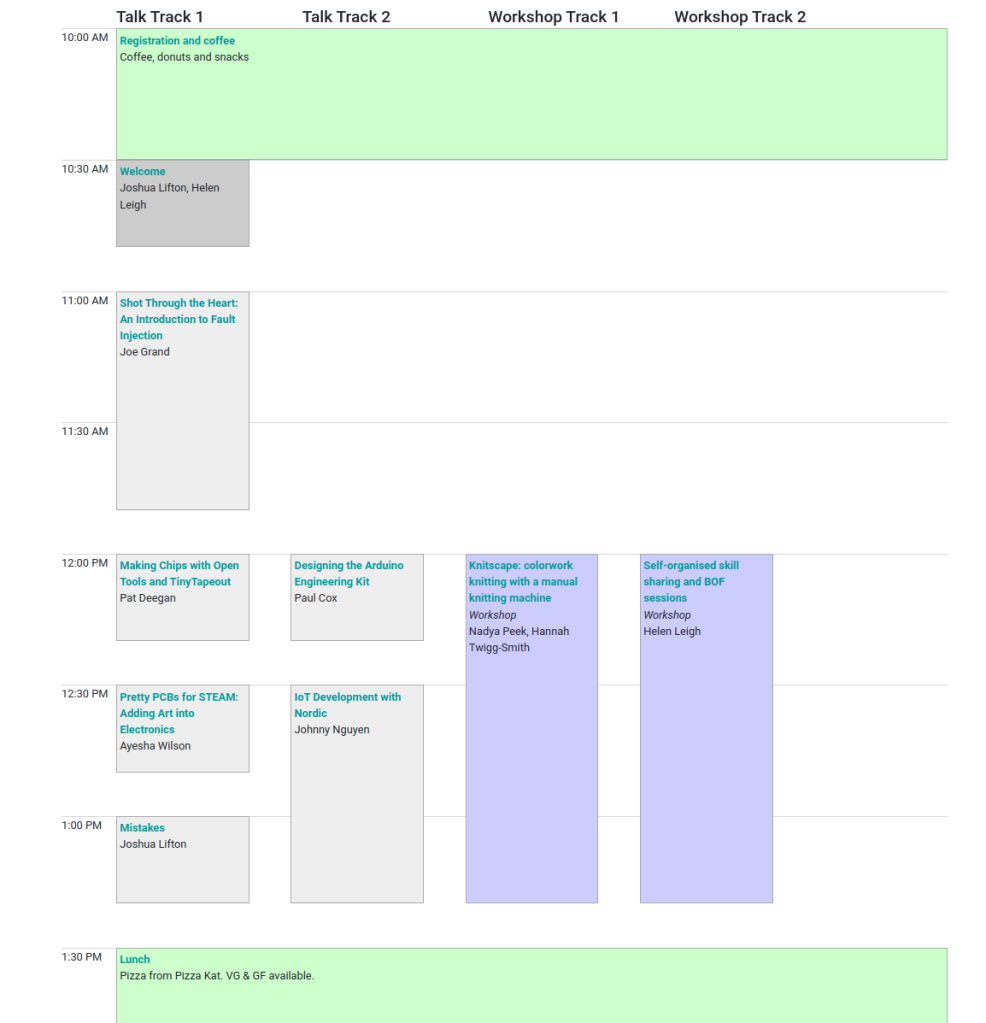
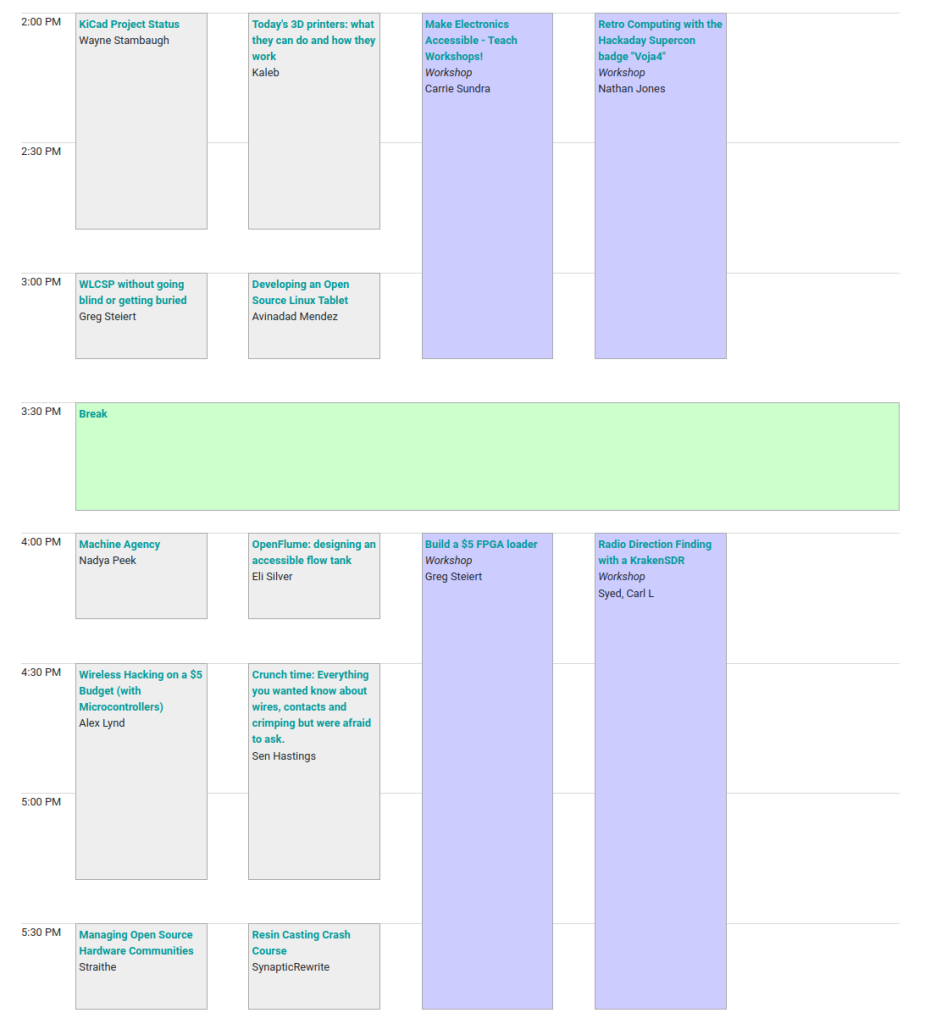
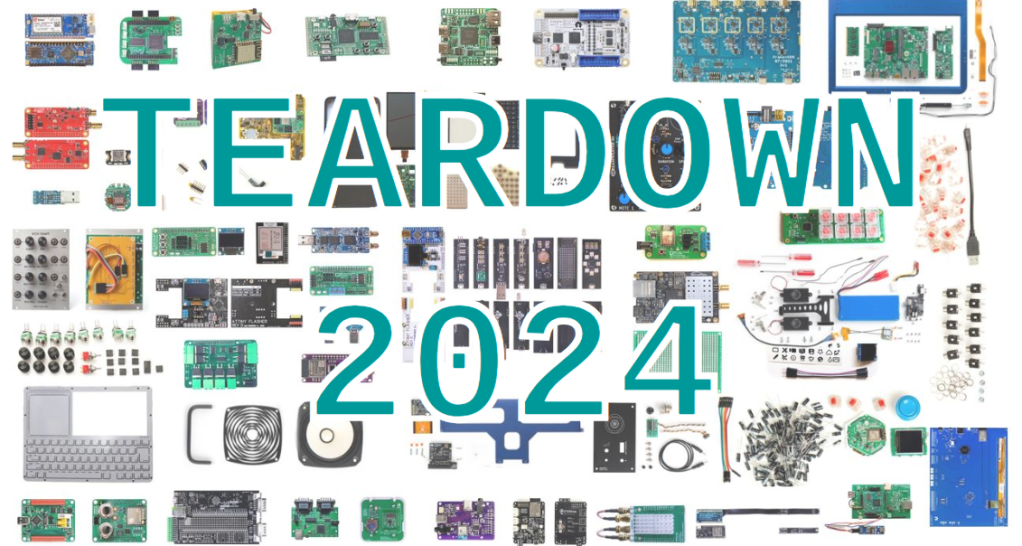
The Teardown 2024 scheduleis packed with two tracks of talks and two tracks of workshops. There will will also be dozens of demos and art installations, too.
You can get hands on with a Focused Ion Beam (FIB) microscope and explore the nano world with Adam McCombs in the Microscopy Village on Friday afternoon. We are excited to hear the latest about KiCad from project leader Wayne Stambaugh on Saturday. Hardware hacking legend Joe Grand will kick off Sunday with an introduction introduction to fault injection.
Put your surface mount soldering skills to the ultimate test! Begin with the manageable 1206 package and take on increasingly tiny components, each step pushing your abilities further. This SMD project is powered by a CR2032 coin cell and an Attiny85 SOIC, offering a perfect blend of challenge and excitement. Brace yourself for the ultimate trial: hand soldering a 0201 package, a feat so intricate it will have you questioning your sanity. Are you ready to show off your skills and conquer this soldering adventure
Our friends at Crowd Supply are hosting a Hacker Holiday Party at their Northeast Portland office this Friday evening, December 8th:
Friday Dec 8 2023 06:00 PM – 11:00 PM
Crowd Supply 55 NE Farragut St #2 Portland, OR 97211 United States of America
Crowd Supply is hosting a Hacker Holiday Party at our Northeast Portland office. Join us for an evening of festive drinks, delicious pizza and lots of seasonally-appropriate nerding out.
As well as drinks, snacks and pizza, we will have table space and power available if you have any projects you want to show off. We will also bring out our sticker swap box and community notice boards, so if you have stickers, postcards, flyers or similar please feel free to bring them along.
How to find us
We are on the top floor of the big red building on NE Farragut St. You’ll see our Crowd Supply sign on the street. Go up the ramp by the sign and straight ahead. Google will try to make you turn off NE Farragut St and go round the corner to the train tracks below. Google is a liar.
You can cycle all the way north on Williams to get to our office, or the closest Max stop is N Lombard TC. Alternatively, there is plenty of on street parking.
Three current projects at Portland State Aerospace Society (PSAS) funnel into one ambitious goal: building a liquid fuel rocket capable of soaring to the edge of space—100 kilometers above Earth’s surface.
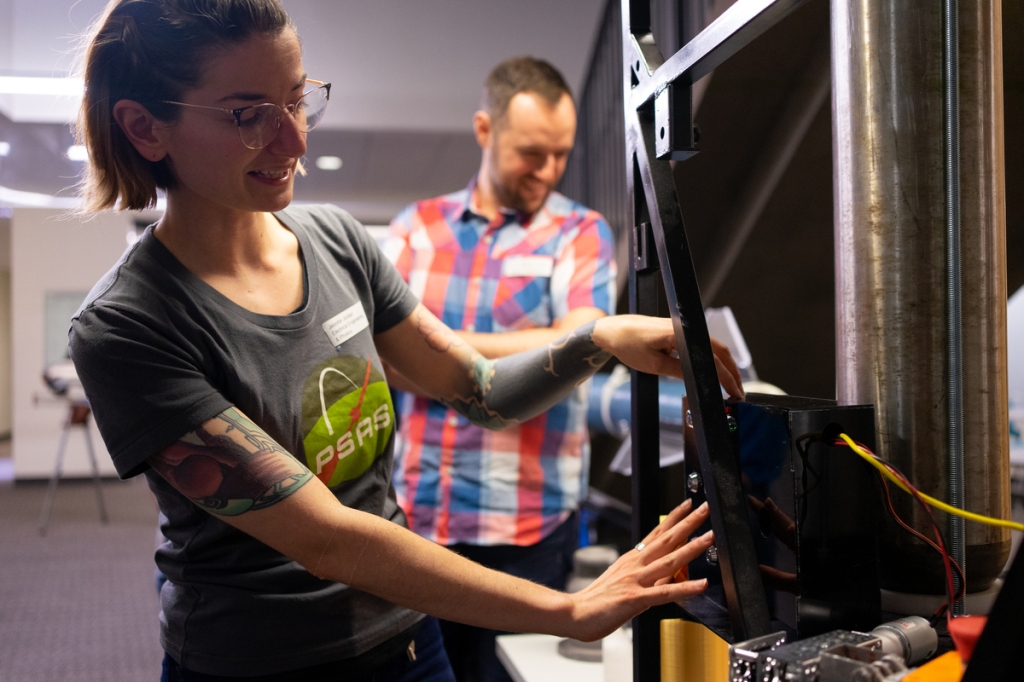
Tool boxes, red countdown timers, clocks set to different time zones, a workbench with satellite components and a wall of rockets surround an oval conference table. The PSAS room—located in the Maseeh College of Engineering and Computer Science building—is a cross between an engineer’s workshop and NASA control room. PSAS members utilize the space to work on a new carbon fiber airframe, a liquid fuel rocket engine and Oregon’s first satellite as they compete in Base 11—a collegiate space race where the first team to launch a liquid fuel rocket to the edge of space wins a million dollars.
Each PSAS rocket is called a launch vehicle (LV) and is given a numeric value for every new iteration. The current rocket is LV 3.1.
“LV0 was just an off the shelf rocket kit that Andrew [Greenberg]—our faculty advisor—and a couple other people started PSAS with,” said PSAS member Jean-Pierre Pillay. “After that it went to LV1 and then LV2, LV2.1, LV2.1.3 as small iterations are made.”
The final project of the three that are funneling into the liquid fuel rocket is OreSat—the first satellite built in Oregon.
“It’s a tiny cubesat, about 10-by-10-by-20 centimeters, which is what’s called a 2U cubesat,” said David Lay, electrical systems intern for OreSat and electrical engineering lead for PSAS. “’U’ is a standard unit that’s defined by the cubesat standard.”
The plan is for OreSat to be passed along from PSAS to NASA in January 2021 then flown up to the International Space Station (ISS) in April of the same year, where it will be ejected from one of the space station’s airlocks.
Andrew Greenberg, faculty advisor for PSAS, explained in an interview that “the electronic systems that [they] built for the rockets are very satellite-like” with batteries, processors and communications gears which led to the creation of OreSat.
A primary mission of OreSat is STEM outreach. High school students are able to build hand-held ground stations that can interact with the tiny satellite’s camera.
“What they do is point it up and when we do a fly by overhead with our satellite we turn the satellite towards them and we downlink a live video feed of them from space,” Lay explained. “So we call it the 400 kilometer selfie-stick.”
LV 3.1 is our next rocket to be launched! Get involving by joining the RCS team Thursdays at 5, Airframe team Thursday at 6:40, or the Recovery team Sundays at 4. Check out our website for the links to join the virtual meetings! pic.twitter.com/nfOaeNJTmx
Teardown is about the practice of hardware: prototyping, manufacturing, testing, disassembling, and circumventing, all while having fun. Leave the marketing glitz and talk of venture capital at the door and come prepared to learn and teach.
Hi! My name is Nisha, and I made a party bangle for my friend, Miki, to take with her to DefCon25. It was my first fully-formed electronics project and it posed some interesting challenges due to its unusual form factor. You can read about my experiences with that project here.
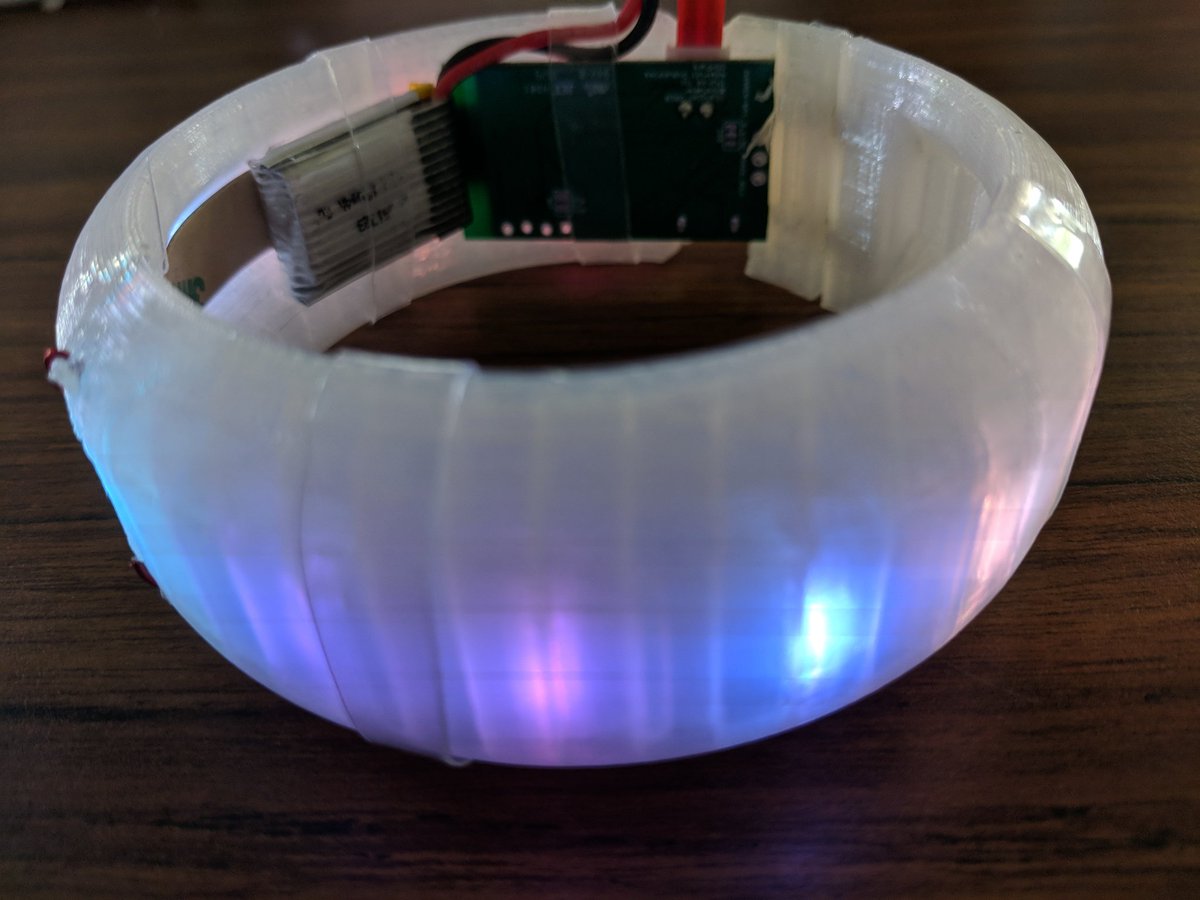
Soon after DefCon25, I was approached by r00tkillah to make over a 100 of something similar for the DC503 party at DefCon26. The plan was to combine the power of the BMD-300 SoC by Rigado used in the Wagon Badge from the previous year with my Neopixel bangle form factor. We would call it “The Banglet” and it was going to be awesome.
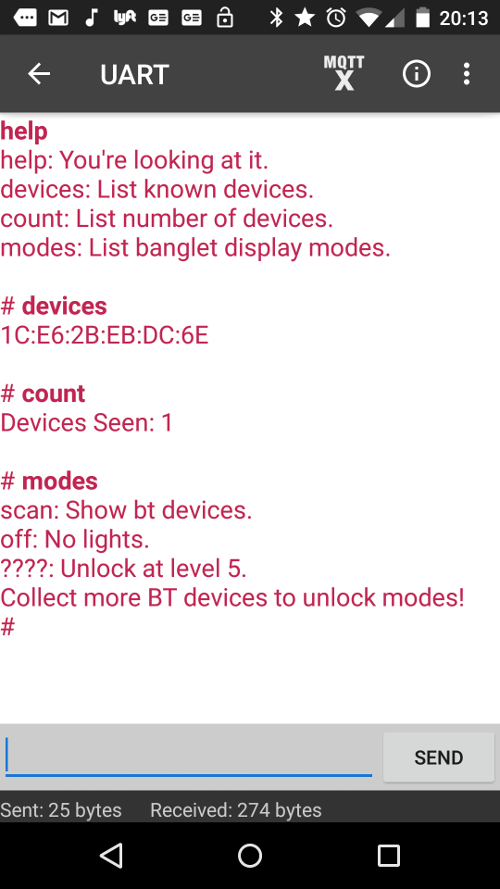
In passive mode, the banglet’s LEDs light up when detecting nearby Bluetooth devices. The number of LEDs that are lit correspond to the number of BT devices detected and their colors are based on each device’s mac address.




 OSH Park