Analog CPU Gauge

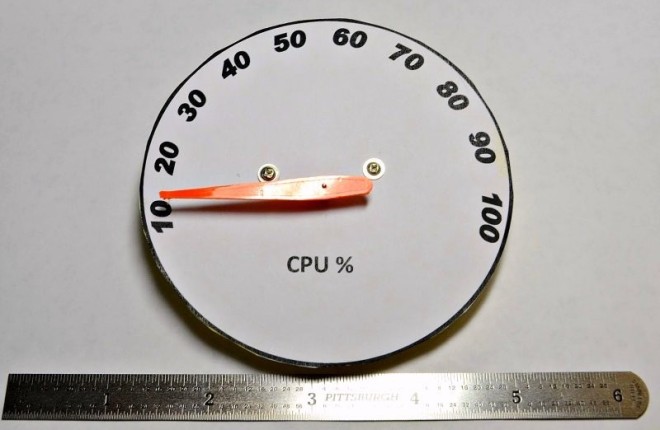
Adam Fabio created this analog gauge to show your computer’s CPU utilization:

Analog CPU Gauge

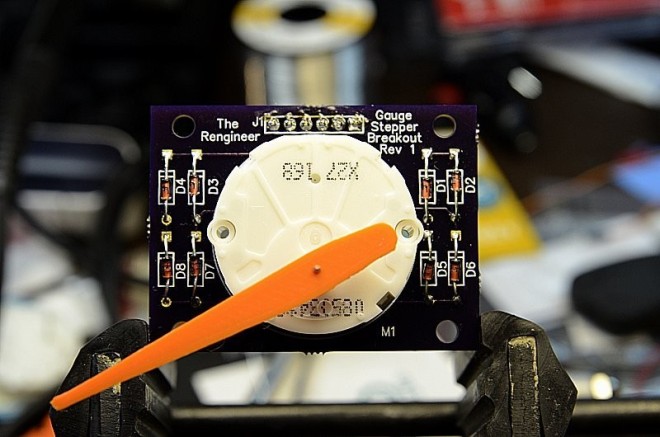
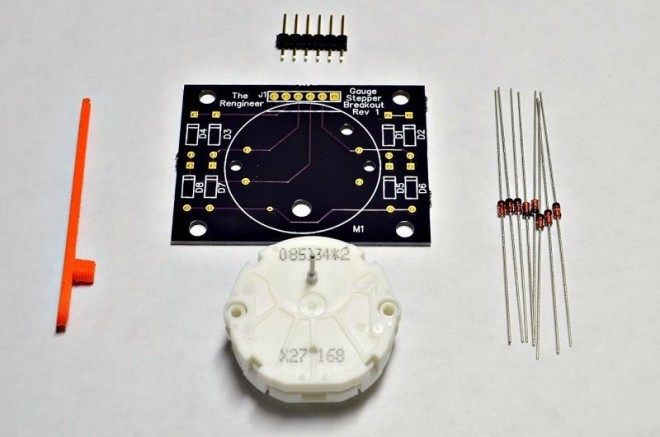
The goal of this project was to build an analog gauge to display computer CPU utilization. I’ve always been fond of classic analog gauges. Most CPU Gauges are either digital on screen displays, or implemented with an LCD mounted in a drive bay
3404761390189001179

The goal of this project was to build an analog gauge to display computer CPU utilization. I’ve always been fond of classic analog gauges. Most CPU Gauges are either digital on screen displays, or implemented with an LCD mounted in a drive bay.
3060511390157116809

I’d always wanted a CPU gauge for my computer. Ok, and a bandwidth gauge for my router. You name it, I want a nice analog gauge for it. It always seemed a bit silly to use an true galvanometer based analog gauge for signals that are inherently digital.
8130331390188227204

The board is available on Tindie:

tindie-logo2x

Analog Gauge Stepper Breakout Board

Tiny stepper motors for analog gauges and the like!
Analog CPU Gauge

Trailer Brake Light Controller

2016-12-27t19-36-54-181z-img_1658-1-jpg-2560x2560_q85

Kevin H. Patterson designed this solution for trailer light wiring after installing a towing hitch on his vehicle:

Custom Brake Light Controller Expands your Trailer’s Capabilities

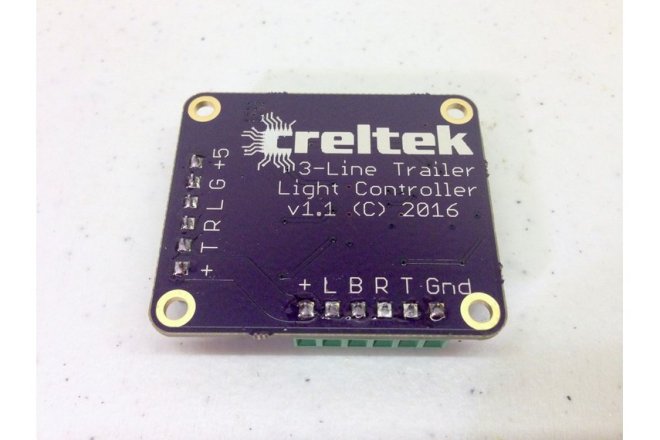
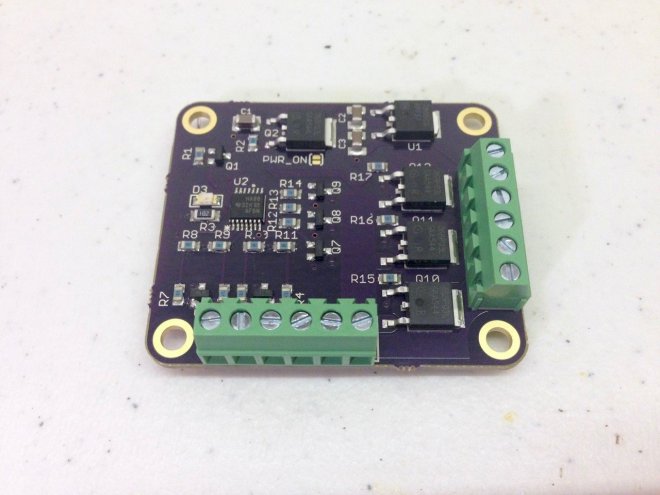
This is a power module designed to control trailer lights based on signals from your vehicle’s lighting circuits. Most vehicles have at least 4 separate circuits: Running (Tail) Lights, Brake, Left Turn, and Right Turn. Most basic trailers have a 4-wire connector with only 3 signals: Running (Tail) Lights, Left Turn, and Right Turn. The trailer does not have a separate circuit for Brake lights; applying the Brake is supposed to light up both the Left and Right Turn signals together.

2016-12-27T19-36-54.181Z-IMG_1659 (1).jpg.855x570_q85_pad_rcrop.jpg

The board can be purchased on Tindie:

tindie-logo2x

Creltek 3-Line Trailer Light Converter

4-Line to 3-Line Combining Tail Light Power Module for 12V Systems

 
Trailer Brake Light Controller

The MightyWatt: a 70W Electronic Load Kit

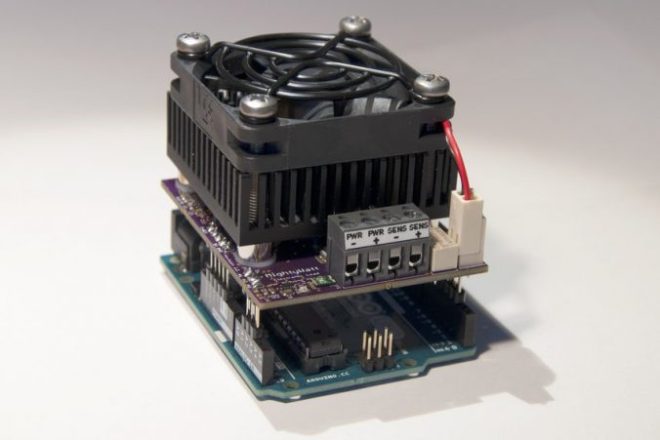
of Kaktus Circuits created this programmable electronic load that sits on top of an Arduino:

2015-08-22t17-19-51-401z-mw2-5-jpg-855x570_q85_pad_rcrop-676x451

The MightyWatt: a 70W Electronic Load Kit

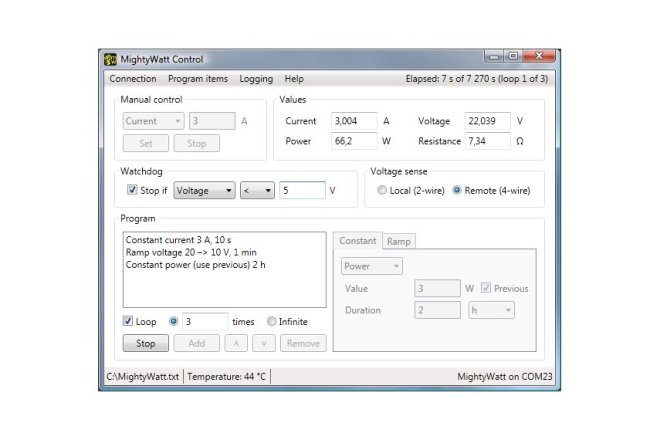
Electronic loads are used to draw power from a source at either a constant current or a constant voltage. This comes in useful for things like battery discharge testing or making sure that PCB you designed can actually power those motors without releasing the all important magic smoke.

The kit is sold on Tindie:

2015-08-22T17:19:51.401Z-disassembled2.5.jpg.855x570_q85_pad_rcrop.jpg

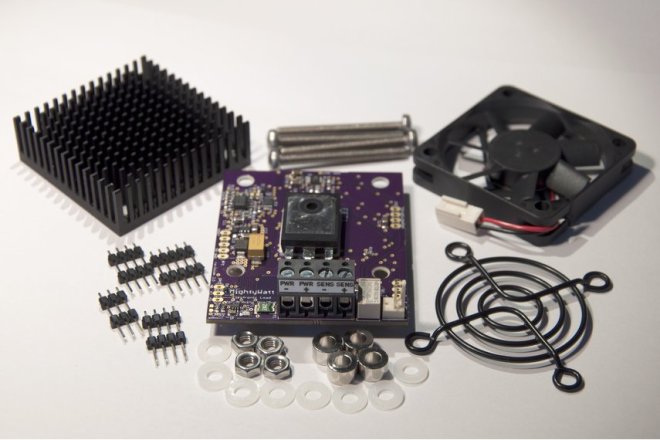
MightyWatt turns your Arduino Uno R3, Arduino Zero (M0/M0 Pro) or Arduino Due into an electronic load capable of dissipating 70 Watts in a very small form factor. Ideal for testing power supplies, batteries, fuel cells or power amplifiers.

Design files and source are shared on GitHub:

2015-03-21t153152-727z-program-1-0-1-1-png-855x570_q85_pad_rcrop

The MightyWatt: a 70W Electronic Load Kit

Vinduino: Save 25% Of Water Needed For Irrigation


wrote on the Tindie blog:


vinduino-676x507.jpg

Vinduino – Save 25% Of Water Needed For Irrigation

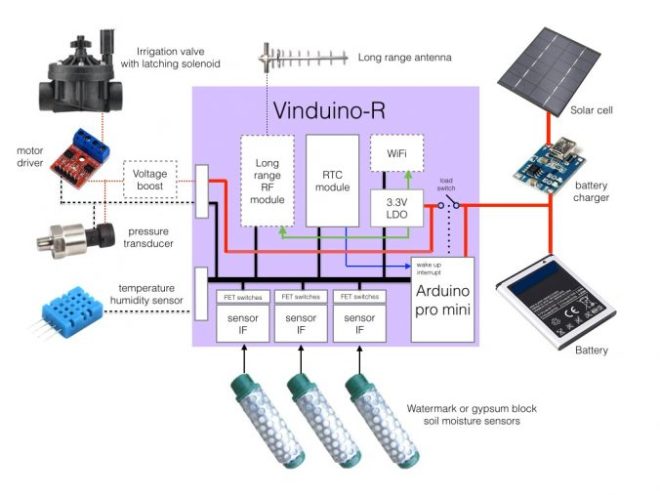
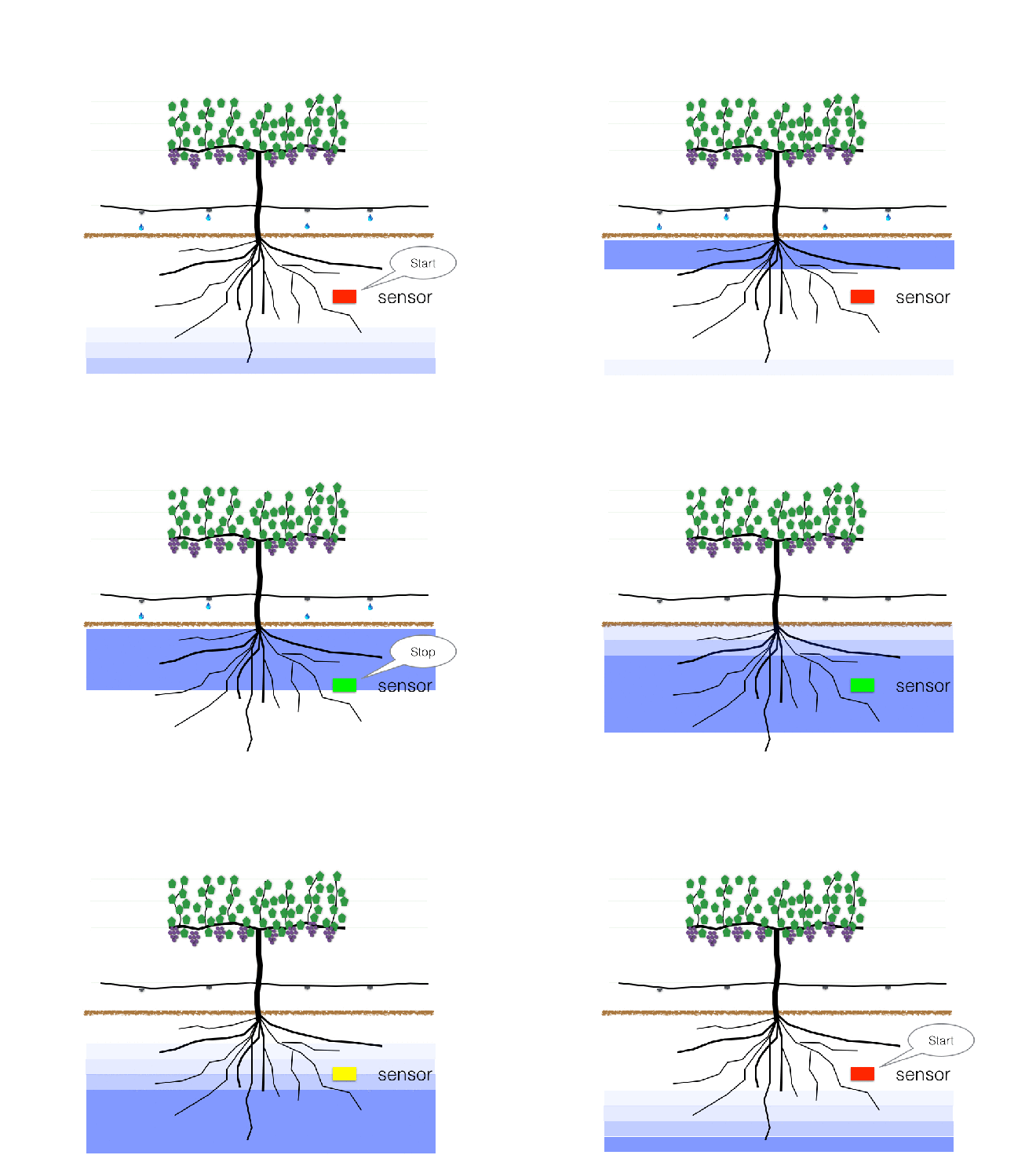
Vinduino is one of those projects that set out to solve a really big problem which straight away makes it interesting. Reinier van der Lee wanted to use the least amount of water possible for irrigation in his southern California vineyard.

irrigigation.gif

Hence the Vinduino project was made to be a relatively low cost system to help save on water use. It is also solar powered, further reducing its impact on the environment.

Vinduino: Save 25% Of Water Needed For Irrigation

Tindie: PCB with Chaos Theory Built In

chaos-good-news-676x418.png

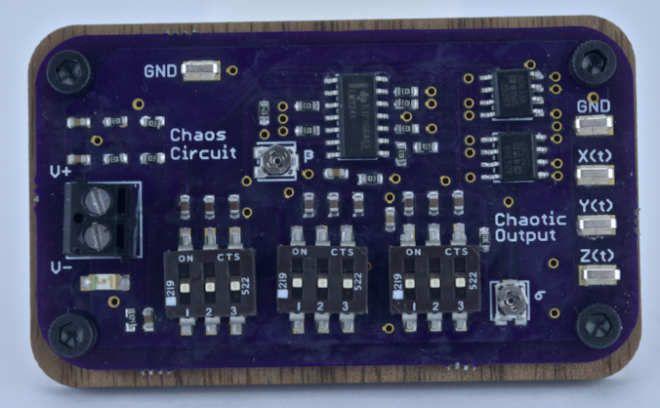
 wrote on the Tindie blog about the Chaos Computer by Tom Quartararo:

PCB with Chaos Theory Built In

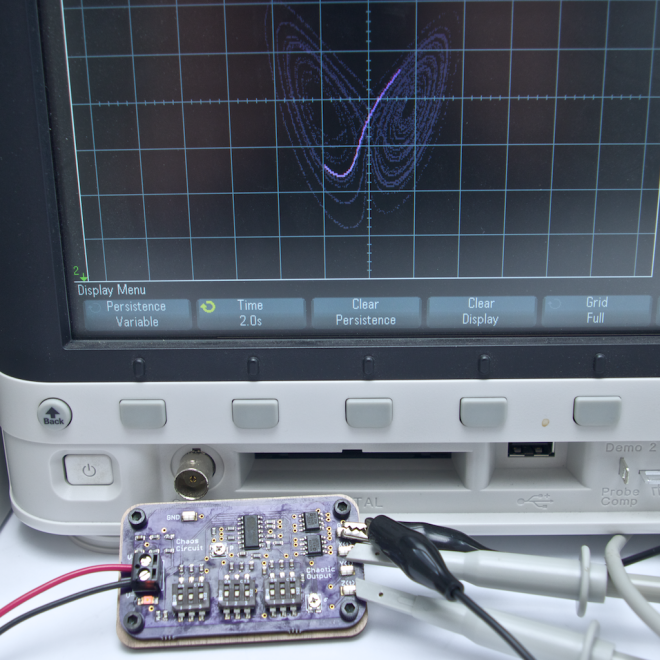
It turns out you can solve ordinary differential equations using simple op-amp circuits. Paul Horowitz, author of the famous book The Art Of Electronics took an interest in the Lorenz Attractor and made a circuit to solve the Lorenz Attractor equation

6561921455625763695

Tindie: PCB with Chaos Theory Built In

USBuddy: USB Development Tool

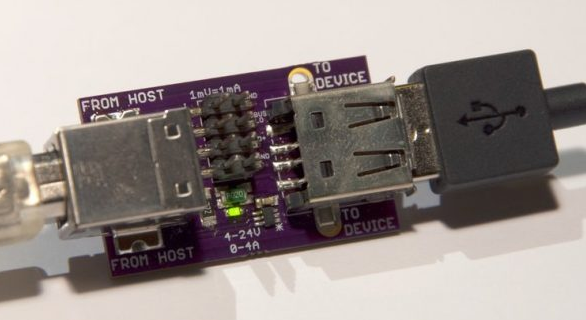
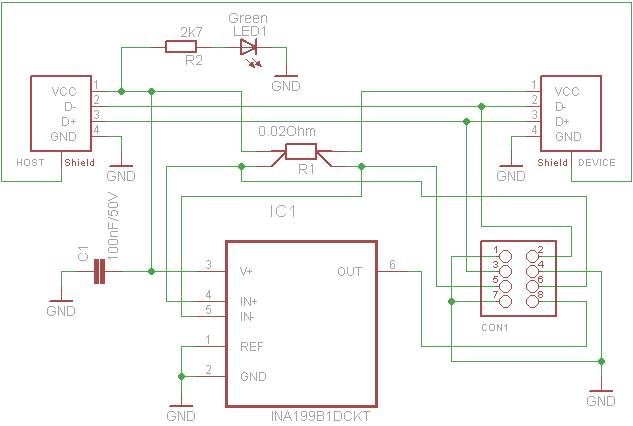
Kaktus Circuits created this board to analyze USB devices:

screenshot-from-2016-09-19-18-13-08

Tindie Blog: USBuddy

Easily tap into the USB signals coming and going while the device is still connected to the bus [..] monitors power consumption [..] handy for reverse engineering devices without having to take the device apart

usbuddy_1-0

The assembled board can be purchased on Tindie.  The hardware design files have be shared on GitHub:

github kaktus85/USBuddy


USBuddy: USB Development Tool