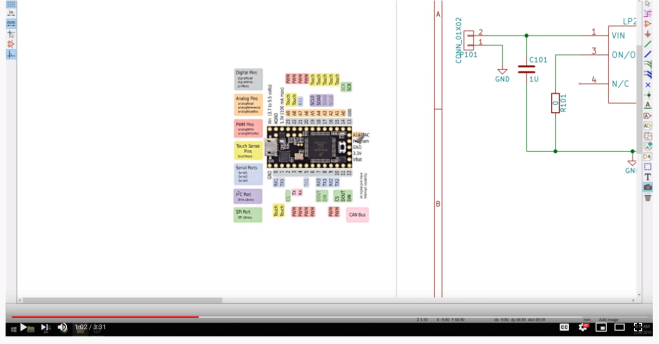
It’s useful to have a reference item right next to the schematic you’re working on. This tip shows how to add that in and make sure it doesn’t print with the rest of your schematic.
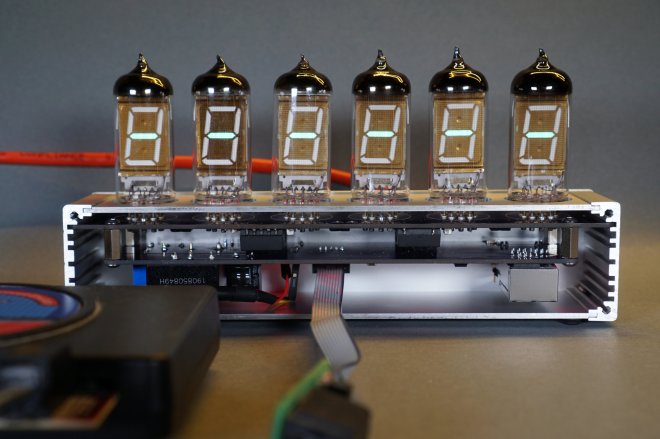
The elegance of Power over Ethernet (PoE) is that you can provide network connectivity and power over a single cable. Unfortunately not nearly enough hardware seems to support this capability, forcing intrepid hackers to take matters into their own hands. The latest in this line of single-cable creations is this beautiful Vacuum Fluorescent Display (VFD) clock from [Glen Akins].
One of the key advantages VFDs have over their Nixie predecessors is greatly reduced energy consumption, and after [Glen] ran the numbers, he saw that a display using six VFD tubes could easily be powered with standard PoE hardware. With this information, he started designing the PCB around the early 1990s era IV-12 tube, which has the advantage of being socketed so he could easily remove them later if necessary.
[Glen] first had to create a schematic and PCB footprint for the IV-12 tube that he could import into Eagle, which he was kind enough to share should anyone else be working with these particular tubes down the line. After a test of the newly designed socket was successful, he moved onto the rest of the electronics.
The clock is powered by a Microchip PIC18F67J60, which connects to the Ethernet network and pulls the current time down from NTP. After seeing so many clocks use an ESP to connect to the Internet over WiFi, there’s something refreshing about seeing a wired version. The tube segments are driven by a HV5812, also Microchip branded. Lastly, [Glen] used a number of DC/DC converters to generate the 1.5 V, 3.3 V, 5 V, and 25 V necessary to drive all the electronics and VFDs.
We absolutely love the simplicity of this clock, from its sleek aluminum enclosure to that single RJ45 jack on the back. But if you’re looking for something with a bit more flash, [Glen] also put together some PoE Christmas lights over the holidays which share a number of design elements with this project.
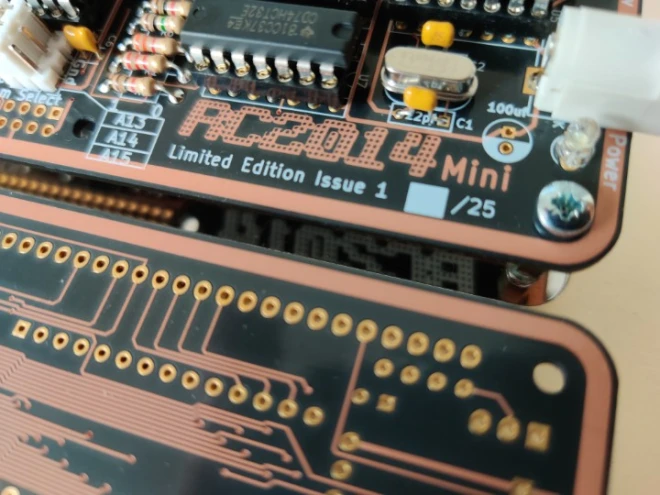
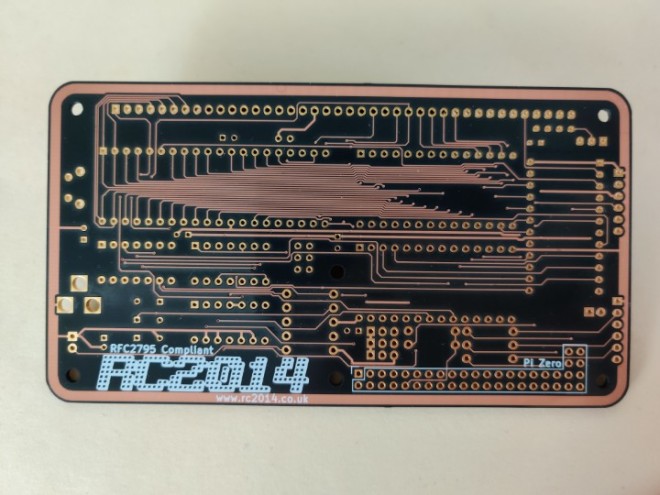
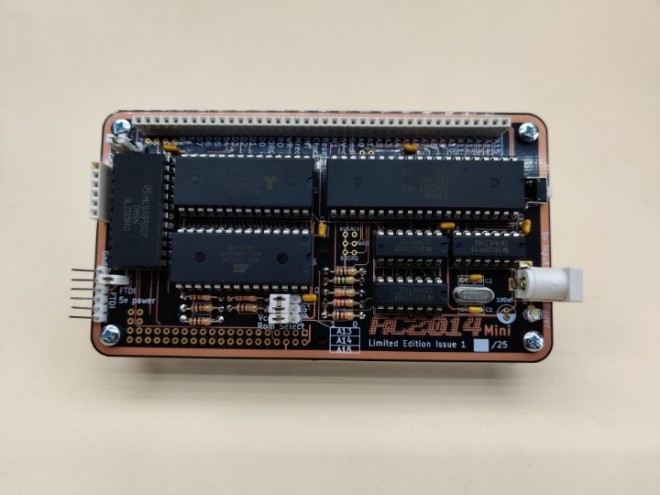
Special edition Z80 based retro computer kit with stunning After Dark PCB
Fundamentally, this is an RC2014 Mini. A single board Z80 computer that runs BASIC or Z80 assembly code. If you are looking for an easy to build, good looking, well supported Z80 single-board computer, you probably should just go and buy a RC2014 Mini
However, if you are after a stunning looking Z80 single board computer which is one of only 25 in the world, then read on…
Every track from the original RC2014 Mini has been relaid for maximum visual appeal
RC2014 logo in the top copper layer
Turned pin chip sockets
White connectors, jumpers and reset switch to compliment the silkscreen
Laser-cut mirrored base plate with brass PCB standoffs allow the underside of the board to be seen
Rubber mounting feet
Limited run of 25 kits, with each one being numbered. Kits will be supplied strictly in number order and records kept if later verification is required
Option to buy a standard RC2014 Mini with a 50% discount so you can hack around and modify the standard RC2014 Mini whilst leaving the Limited Edition RC2014 Mini After Dark kit intact. Or mix & match the black and white connectors to create your own unique RC2014.
Same specification as standard RC2014 Mini (Z80 processor at 7.3728MHz, 32k RAM, ROM with Microsoft BASIC / SCM Monitor, 5v power over USB barrel jack cable or FTDI cable, 115,200 baud serial communication, keyboard connector for Universal Micro Keyboard, Pi Zero header option for Pi Zero Serial Terminal
Luxury packaging for that unique “unboxing experience”
Shipping will automatically be upgraded to signed, tracked or recorded delivery based on your location
Even for the simplest of products, production at scale can be big challenge. For example, you might find yourself spending many hours manually counting and cutting strips of component tape to go with the DIY electronics kit your selling on Tindie. [Tom Keddie] found himself in similar position some time ago, and built himself an automated component counter and tape cutter.
Back in December, I visitedNicolas Collinsat the School of the Art Institute in Chicago and got to see one of the latest creations that he is using in class. The beautiful traces wind their way into the classic LM386 audio amp for an expressive overdriven effect:
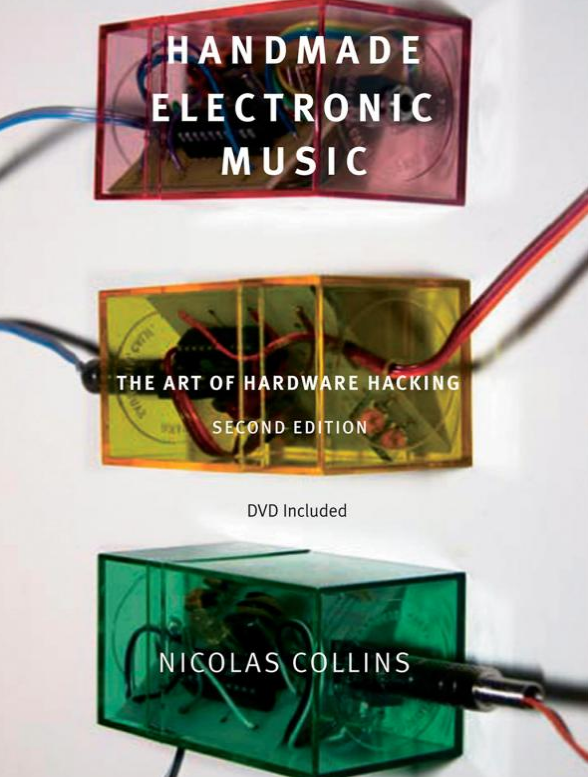
… provides a long-needed, practical, and engaging introduction to the craft of making – as well as creatively cannibalizing – electronic circuits for artistic purposes. With a sense of adventure and no prior knowledge, the reader can subvert the intentions designed into devices such as radios and toys to discover a new sonic world. At a time when computers dominate music production, this book offers a rare glimpse into the core technology of early live electronic music, as well as more recent developments at the hands of emerging artists. In addition to advice on hacking found electronics, the reader learns how to make contact microphones, pickups for electromagnetic fields, oscillators, distortion boxes, and unusual signal processors cheaply and quickly.
Lead-free solder alloys have been around for as long as people have done soldering, with sources dating back about 5,000 years. Most of these alloys were combinations like copper-silver or silver-gold and used with so-called hard soldering. That’s a technique still used today to join precious and semi-precious metals together. A much more recent development is that of soldering electronic components together, using ‘soft soldering’, which entails much lower temperatures.
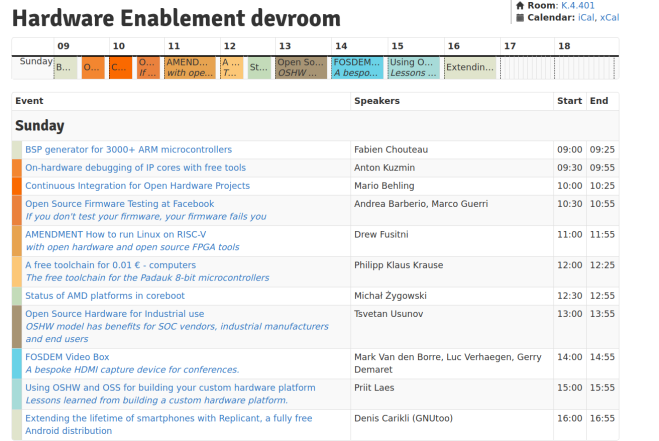
Teardown is about the practice of hardware: prototyping, manufacturing, testing, disassembling, and circumventing, all while having fun. Leave the marketing glitz and talk of venture capital at the door and come prepared to learn and teach.