Open Source Pick and Place Has a $450 BOM Cost

Give your grizzled and cramped hands a break from stuffing boards with surface mount components. This is the job of pick and place machine, and over the years these tools of the trade for Printed Circuit Board Assembly (PCBA) have gotten closer to reality for the home shop; with some models diving below the $10,000 mark. But if you’re not doing it professionally, those are still unobtanium.

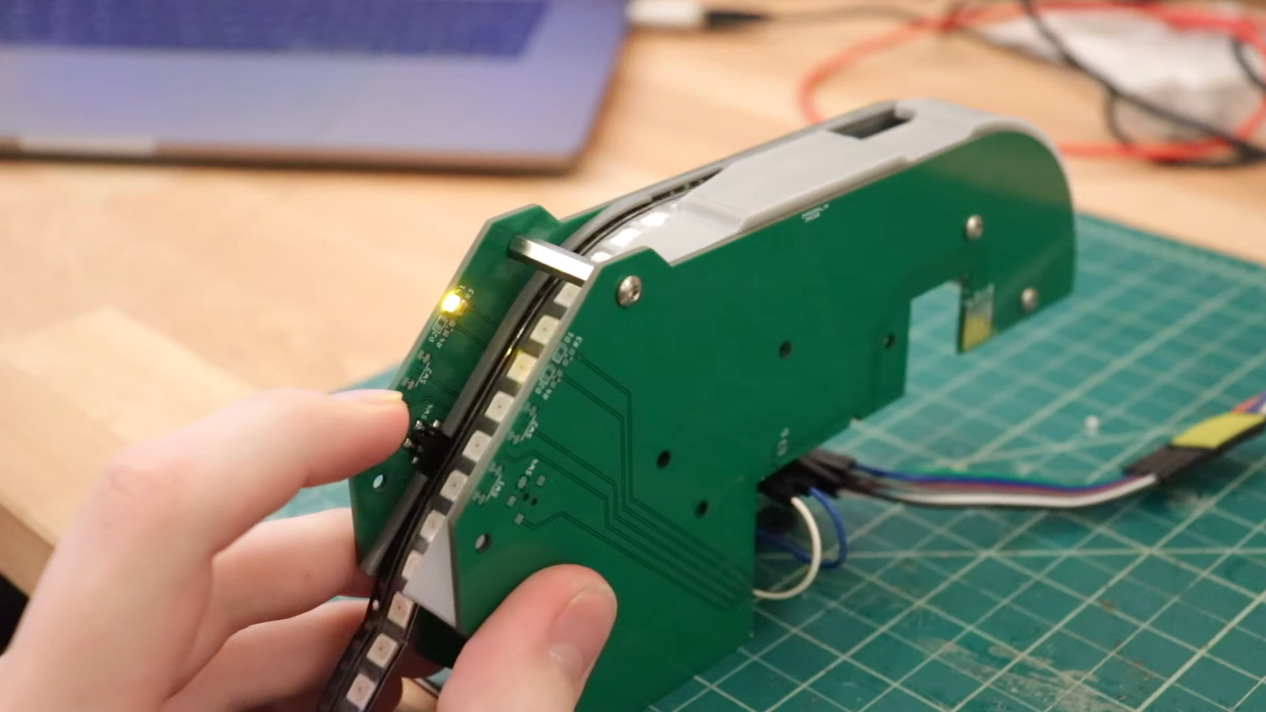
The cost of this one, on the other hand, could be explained away as a project in itself. You’re not buying a $450 shop tool, you’re purchasing materials to chase the fever dream of building an open source pick and place machine. There are two major parts here, an X/Y/Z machine tool that can also rotate the vacuum-based parts picker, and the feeders that reel out components to be placed. All of this is working, but there’s still a long road to travel before it becomes a set and forget machine.

The rubber hits the road in two ways with pick and place machines: the feeders, and the optical placement. The feeders are where [Stephen Hawes] has done a ton of work, all shown in his video series that began back in January. The stackup of PCBs and 3D-prints hangs on the front rail of the gantry assembly, is adjustable for tape widths, and uses an interesting PCB encoder wheel and worm-gear for fine-tuning the feed. [Stephen’s] main controller board, a RAMPS shield for and Arduino Mega that runs a customized version of Marlin, can work with up to 32 of these feeders.
via Open Source Pick and Place Has a $450 BOM Cost — Hackaday

Quote

OSHData: State of Open Hardware in Europe

From OSHData:

cert-share-by-region

Special Report | State of Open Hardware in Europe

Introduction

OSHdata findings show that the Open Source Hardware (OSH) community is dynamic, growing, and still in its early days as a formal movement. For context, know that this report relies on the Open Source Hardware definition and the Open Source Hardware certification program, as defined by the Open Source Hardware Association. Learn more by visiting: https://oshwa.org/

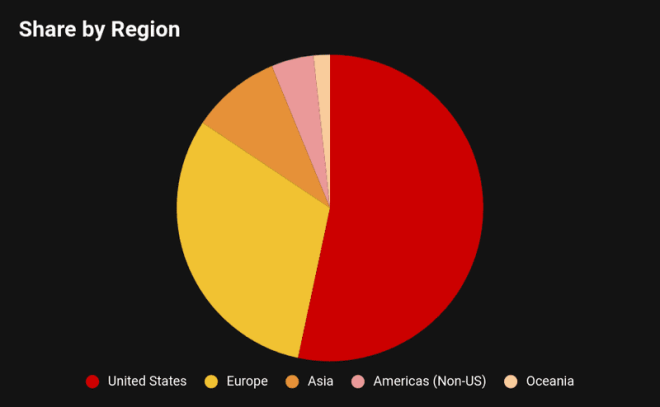
As of February 2020, there are over 400 certified projects from 36 countries spanning five continents. The certification rate is increasing, too. Getting from 200 to 300 certified projects took nearly a year, but getting from 300 to 400 took a little over six months. Nearly 60% of the certified projects are available for sale at an average sale price of $211.47, though there is a big range here. The leading project categories include: electronics, 3D printing, tools, and education.

Comparative Output

If the European Union were a country, it would be second only to the United States in terms of the number of certified projects. European companies and creators have certified 125 different projects, versus 215 in the United States. Combined, they represent 85% of all certified projects worldwide.

Introduction

OSHdata findings show that the Open Source Hardware (OSH) community is dynamic, growing, and still in its early days as a formal movement. For context, know that this report relies on the Open Source Hardware definition and the Open Source Hardware certification program, as defined by the Open Source Hardware Association. Learn more by visiting: https://oshwa.org/

As of February 2020, there are over 400 certified projects from 36 countries spanning five continents. The certification rate is increasing, too. Getting from 200 to 300 certified projects took nearly a year, but getting from 300 to 400 took a little over six months. Nearly 60% of the certified projects are available for sale at an average sale price of $211.47, though there is a big range here. The leading project categories include: electronics, 3D printing, tools, and education.

Comparative Output

If the European Union were a country, it would be second only to the United States in terms of the number of certified projects. European companies and creators have certified 125 different projects, versus 215 in the United States. Combined, they represent 85% of all certified projects worldwide.

See a dynamic and interactive visualization of these trends — showing country leadership by month dating back to 2016 — by visiting: https://public.flourish.studio/visualisation/1838881/

Quality of Work

It is important to note that the earlier measures merely focus on quantity, not quality. Select projects represent an evolutionary step forward because of the complex and “full stack” nature of the projects themselves. A simple 3D model can be considered an Open Source Hardware design, but there is a categorical difference between a widget and electronics that can function in outer space.

European companies and creators are contributing across a breadth of fields from high end cameras (like the AXIOM in Austria) and satellite equipment (like SatNOGS in Greece). They are also creating the enabling technologies that sup

See a dynamic and interactive visualization of these trends — showing country leadership by month dating back to 2016 — by visiting: https://public.flourish.studio/visualisation/1838881/

Quality of Work

It is important to note that the earlier measures merely focus on quantity, not quality. Select projects represent an evolutionary step forward because of the complex and “full stack” nature of the projects themselves. A simple 3D model can be considered an Open Source Hardware design, but there is a categorical difference between a widget and electronics that can function in outer space.

European companies and creators are contributing across a breadth of fields from high end cameras (like the AXIOM in Austria) and satellite equipment (like SatNOGS in Greece). They are also creating the enabling technologies that support industrial capability (e.g. sensors, breakout boards, and Internet-connected devices).

Broad Participation

Participation spans the continent. While technology and manufacturing leaders like Germany and France are well represented, the Open Source Hardware capital of Europe is Plovdiv, Bulgaria thanks to the outsized contributions from companies like Olimex and ANAVI Technology. Other participating countries include: Greece, Sweden, Croatia, Netherlands, Poland, Slovakia, Austria, Belgium, and Norway.

Top Countries Total
Bulgaria 59
Germany 14
France 8
Spain 7
Switzerland 7
United Kingdom 7


OSHData: State of Open Hardware in Europe

MNT Reform: Introducing the Much More Personal Computer

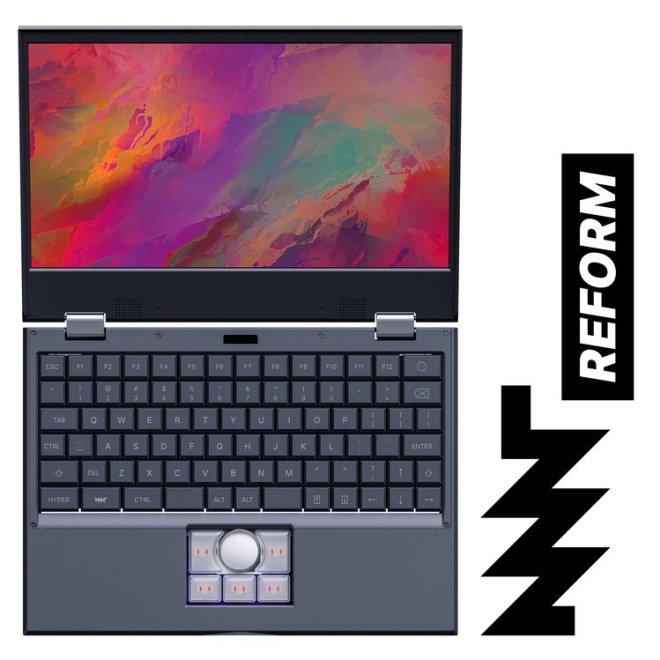
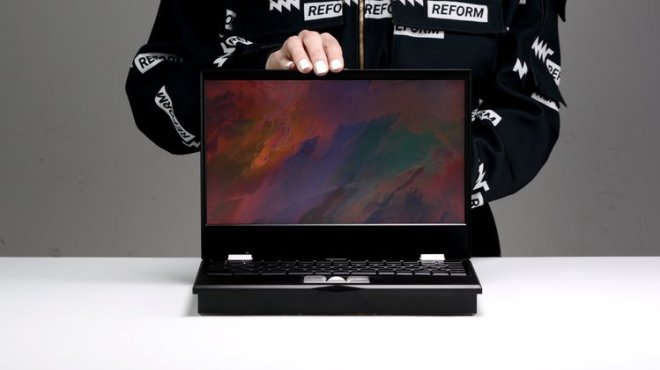
The Reform laptop from Lukas and Greta at MNT Research in Berlin has now launched on CrowdSupply:

product-mnt-reform_jpg_project-body

MNT Reform

The open source DIY laptop for hacking, customization, and privacy

Mobile personal computers are becoming more and more opaque, vendor controlled, and hard to repair. Modern laptops have secret schematics, glued-in batteries, and components not under user control, like the Intel Management Engine or the Apple T2 security chip. Many people decide to tape over the built-in cameras of their laptops because they don’t know if they can trust the device or the software running on it.

Reform goes in the opposite direction. It is designed to be as open and transparent as possible, and to support a free and open source software stack from the ground up. It invites you to take a look under the hood, customize the documented electronics, and even repair it youself if you like. The Reform laptop has no built-in surveillance technologies, cameras, or microphones, so you can be confident that it will never spy on you. Built not around Intel technology, but NXP i.MX8M with 64-bit ARM Cortex-A53 cores, Reform has a much simpler architecture than conventional laptops. This simplicity also makes for a more pleasant developer experience.

20200422-reform-hero_jpg_project-body

We are excited to have helped MNT prototype parts of the Reform:

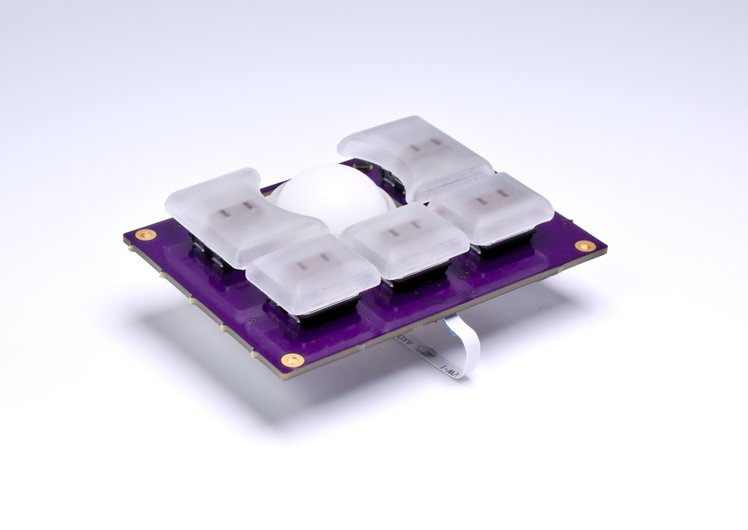
Trackball

The new Reform trackball has five buttons, so you don’t have to worry anymore about how to do a middle click or use the trackball as a scroll wheel (hold bottom left or right button and roll the ball up and down). Of course, because our trackball firmware is open source, you can adjust the button functions to behave exactly as you like. We developed a custom SLA-printed mechanical housing for the trackball. For the ball’s optical motion tracking, we are using a Pixart PAT9125EL laser sensor interfacing with a ATmega32U2 MCU with open source firmware.

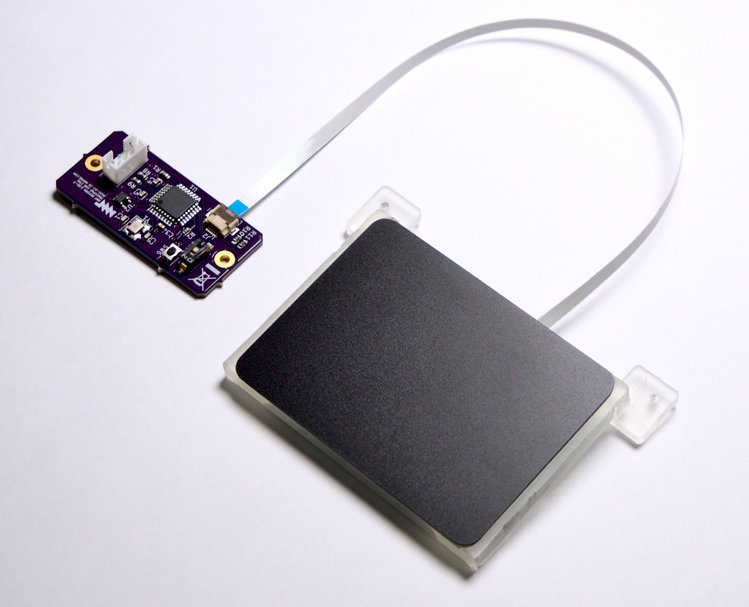
Trackpad

If you prefer a trackpad over the trackball, you can choose it as an option. The trackball and trackpad are interchangeable modules. The trackpad is based on the capacitive multi-touch sensor module TPS65-201A-S by Azoteq. Like the trackball, we drive it with a custom ATmega32U2 PCB and our own open source firmware.

And it is excellent to see that it is certified OSHW:

Certifications

Reform is open source hardware certified by OSHWA (Open Source Hardware Association)DE000017.

Licenses are:

  • CERN OHL-2.0-S (hardware)
  • GPL 3.0 (software, firmware)
  • CC-BY-SA 4.0 (documentation, artwork)
MNT Reform: Introducing the Much More Personal Computer

Virtually Maker Faire

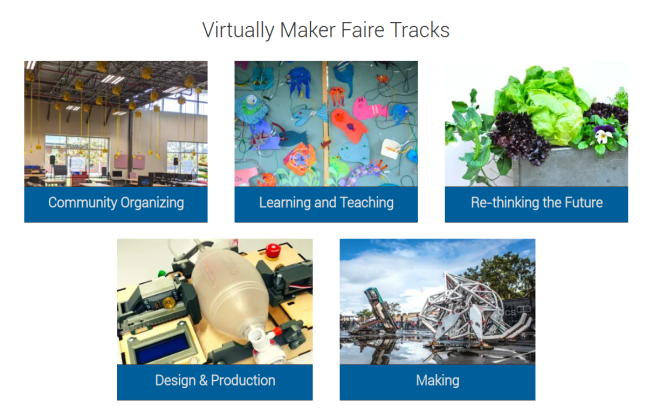
There will be a virtual Maker Faire tomorrow, Saturday, May 23rd:

VMF_makerfaireDOTcomHero

Virtually Maker Faire – May 23, 2020

Featuring Makers Responding to COVID-19

24 Hours of Presentations, Workshops, Demos, and Exhibits Across All Time Zones

Across the world, makers have responded to shortages of medical supplies and equipment with agile designs, adaptive distributed manufacturing, and community organizing. Virtually Maker Faire will be a stage to share the projects and learn from the people behind this extraordinary civic response.

Virtually Maker Faire will take place online through video sessions and an exhibit showcase on Make: Projects

Screenshot from 2020-05-03 20-36-13

Virtually Maker Faire

Ten Years of Open Source Hardware

writes about a special momeny for the Open Source Hardware User Group (OSHUG):

OSHUG5

Ten Years of Open Source Hardware

This week marks the tenth anniversary of the inaugural meeting of the Open Source Hardware User Group (OSHUG). As such it seemed only appropriate to take a look back over the past decade at not only the history of OSHUG, but some of the history and the future of open hardware also.

Setting the scene

The Electron Club hackerpsace, Glasgow, 2008.
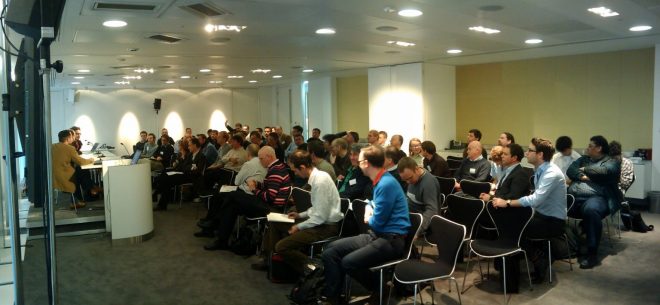
Let’s begin a little earlier and around 12-13 years ago. My own introduction to open source hardware — note that I will also use open hardware interchangeably and to mean the same thing — came in 2007/2008 via two different routes. The first of these being a fellow co-founder of Glasgow hackerspace, the Electron Club, who was excited at the artistic possibilities presented by the new Arduino platform. The second was a BT Osmosoft colleague who spotted the recently announced Bug Labs hardware and said, “Hey Andrew, this looks like it might be your sort of thing!”

Bug Labs are still around today and it appears their focus shifted from hardware to services. Of course, the Arduino story is well known and for many years it served as the open hardware poster child. What followed next, at least in the most visible sense, was a burgeoning ecosystem of relatively simple board designs — such as breakout modules for surface mount devices, along with Arduino compatibles and add-ons. There was a growing movement and this was focused mostly around microcontrollers and the enthusiast market. Simpler designs, but nevertheless important.

Openmoko

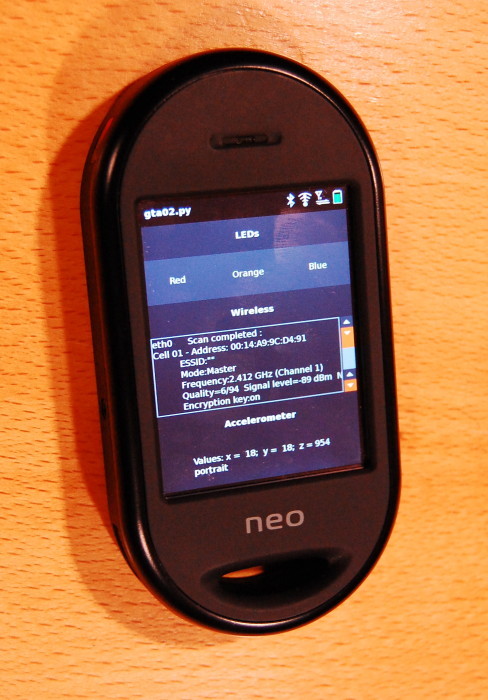
At this point it would be remiss not to mention two notable exceptions. The first of these being Openmoko, which set out to create a family of mobile phones with an open hardware specification — schematics and mechanical CAD files were provided — and open source O/S. Also another consumer electronics product, the Chumby, an embedded computer with a touch screen and WiFi.

In addition to which, Elphel had been quietly producing open hardware and free software powered video cameras for some time. Notably also there was OpenSPARC from Sun and the grassroots open silicon community, OpenCores, together with its flagship project, OpenRISC. These and other early open silicon efforts are covered in more detail in Gareth’s article, Digital FOSSils.

OSHUG #1

The nascent open hardware movement had started to gather momentum and in December 2009, Nesta, the UK based charity and innovation foundation, hosted a one day event dedicated to the topic. This served as a pivotal moment for many of those of us who attended and one outcome of this being the formation of the Open Source Hardware User Group.

Nesta-1536x710

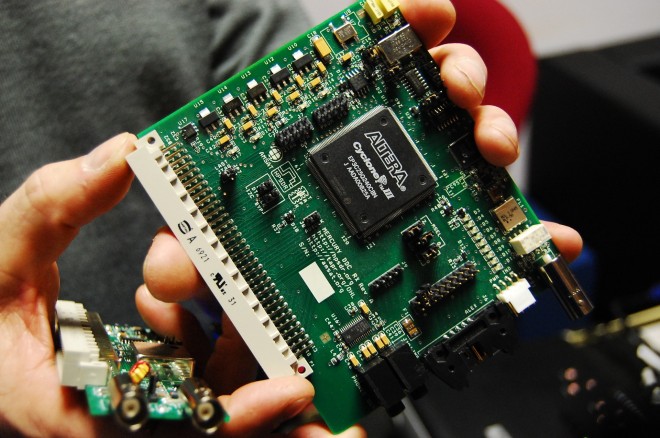
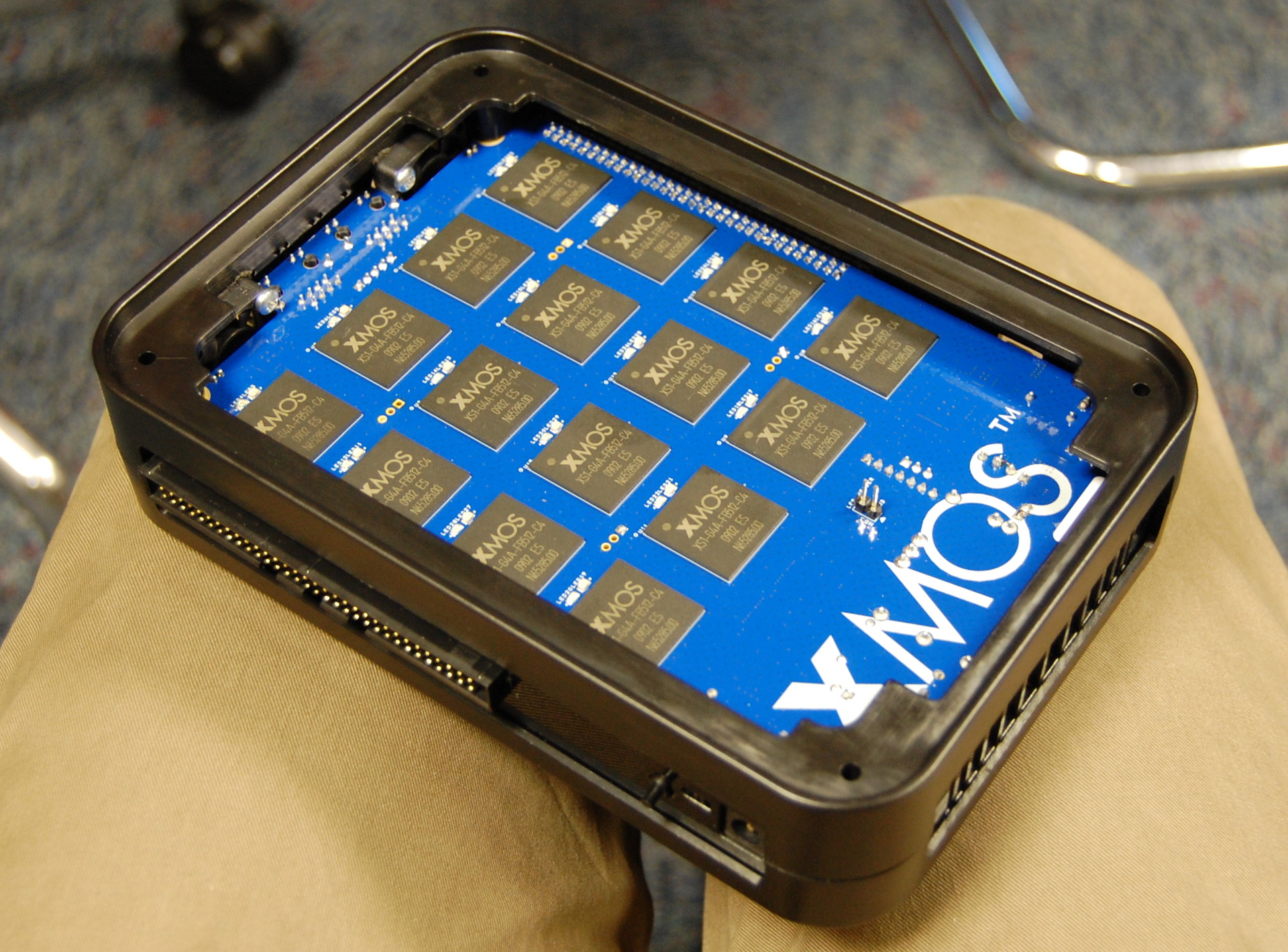
OSHUG was co-founded in early 2010 by Paul Downey, Alan Wood and myself. Inspired by the Nesta event and also encouraged by UK semiconductor company, XMOS, which had decided to publish its development board designs as open hardware.

Fortunately, Paul and I both worked for BT’s open source innovation unit, Osmosoft, where community events were part of its remit. So on Thursday 29th April 2010 we hosted the first ever OSHUG meeting. For this we were honoured to have Professor David May — architect of the Transputer and then CTO of XMOS — present.

We decided from the outset that, although the focus would primarily be hardware with liberal licensed design artefacts, we would also encourage talks on related topics, such as embedded development, along with tools and techniques employed in hardware design and manufacture. A policy which has served OSHUG well and led to an ever interesting mix of topics.

A community grows

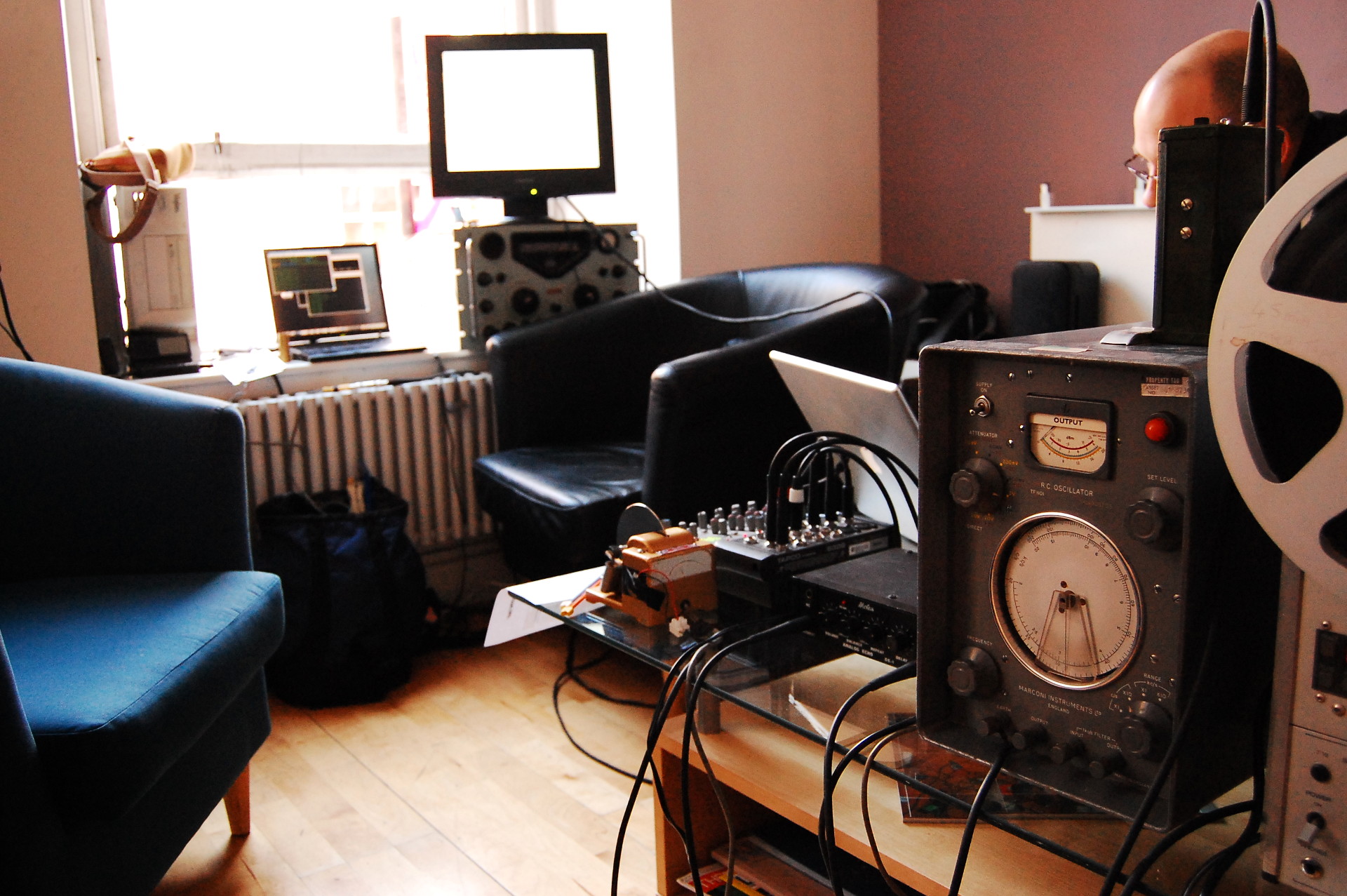
The first few meetings really enabled the group to establish itself and this wouldn’t have been possible without the support of BT Osmosoft. Themes explored included licensing and community, along with topics such as software-defined radio and FPGA development. For the sixth meeting we were hosted by London Hackspace and for the seventh the BBC, which featured talks on the BBC Computer Literacy project — which gave birth to the BBC Micro — and Domesday project.

The eighth meeting was the last that was held at the Osmosoft offices (the security arrangements at the Westminster telephone exchange we occupied were… tricky).

For the ninth meeting we were kindly hosted by Skills Matter. This featured an introduction to FPGA programming from Omer Kilic, a talk on OpenCores and OpenRISC from Dr Jeremy Bennett, and Lawrence Wilkinson gave a talk on emulating an IBM System/360 mainframe in FPGA.

….

Read the rest!

Ten Years of Open Source Hardware

KiCad and FreeCAD meetup with Anool on Sat. May 2nd

EW6q5tUXsAApKYP

There will be another KiCAD and FreeCAD meetup tomorrow with Anool on Saturday, May 2nd, at:

  • 9:00 US EDT / 13:30 UTC / 15:30 CEST / 19:00 India

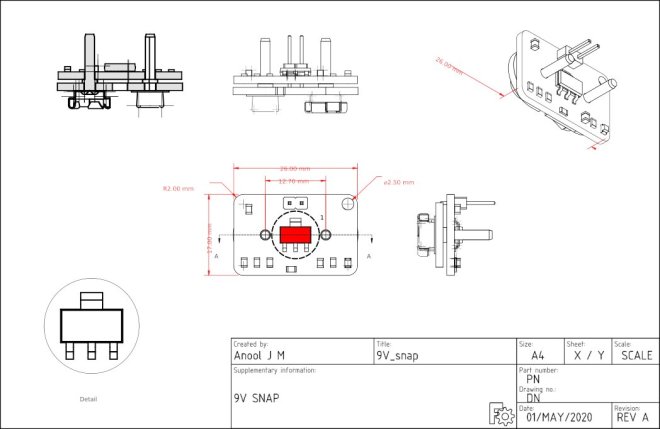
TechDraw basics – I’ll demo using the FreeCAD TECHDRAW workbench to produce dimension drawings of KiCAD PCB.

Sometimes, it is useful to add this to project documentation.

Will try & answer questions too.

Join the Jitsi Meeting


KiCad and FreeCAD meetup with Anool on Sat. May 2nd

Virtual Dorkbot PDX on Monday, May 4th

Exciting news!  Dorkbot PDX will be moving to cyberspace and everyone can now join in:
Screenshot from 2020-04-30 13-53-06

Virtual Dorkbot Meetup

Part virtual hackathon, part virtual geek social, these virtual biweekly meetings are a time for you to virtually join others for insight, inspiration or just insanity.

Bring your virtual toys for others to see, or log on to see what others have been painstakingly chipping away at in their spare time.

Whether it’s code or chips, hacking of all sorts is encouraged. But we also like to hear your crazy ideas, so please come join us online and bring your willingness to share your brilliance.

p.s. This event is open to everyone, dork or robot. No ^H membership is required to attend. All are welcome. That means you!

We’re meeting on jit.si as well as mozilla hubs, link here: https://kik.to/HY

https://www.meetup.com/CTRL-H/events/270343394/


Virtual Dorkbot PDX on Monday, May 4th

KiCad Development Highlight: Altium PCB Importer

Exciting news from the KiCad blog:

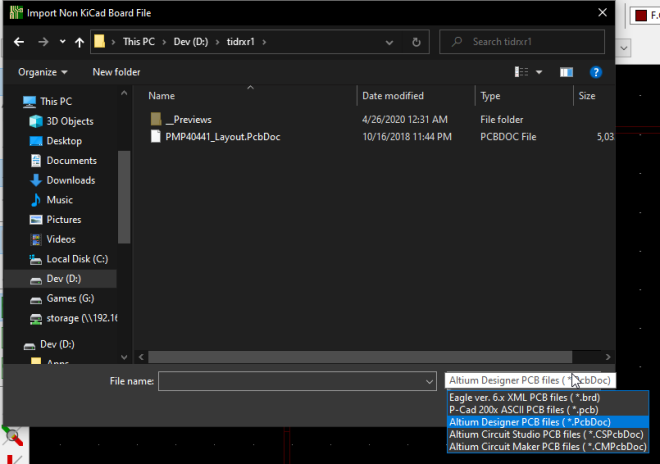
import-non-kicad

Altium PCB Importer

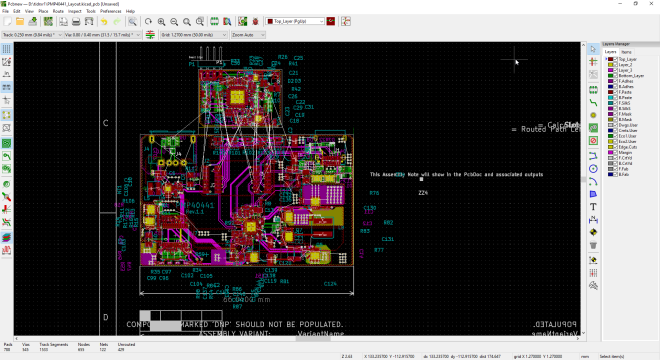
As a preview of a feature coming in the next major release, the ability to import Altium PcbDoc files is now available in the latest nightly builds. This was thanks to the work of Thomas Pointhuber in MR#60

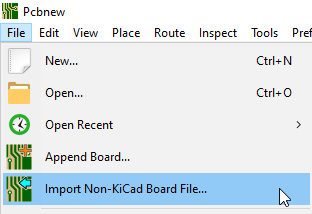
The board import option can be found under the File > Import Non-Kicad Board File option and changing the file type filter

import-non-kicad-filter


After selecting your PcbDoc file and a short delay. Pcbnew will display it’s best attempt at a import and provide warnings if it had any difficulties importing the file.

import-non-kicad-pcbdoc-complete

If you want to give the board import a spin, simply download the latest KiCad nightly and take it for a spin. Feel free to report any issues.

Both this feature and nightly builds are in development, please only use them for testing and experimentation

KiCad Development Highlight: Altium PCB Importer

Project ideas for the CircuitBrains Deluxe

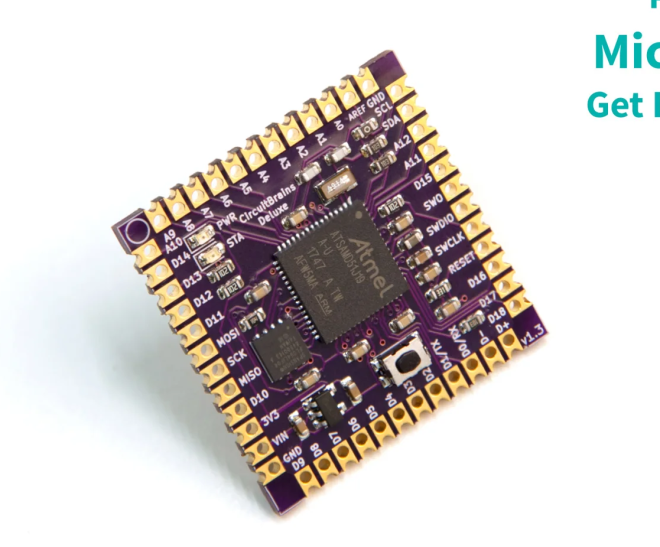
In this Crowd Supply update, Kevin Neubauer describes project ideas for the CircuitBrains Deluxe:

Project ideas for the CircuitBrains Deluxe

Here is a handy list of project ideas that CircuitBrains could be used in:

  • Attach some sensors and make an environmental monitor
  • Home automation sensor brains
  • Hook it into some stepper drivers and move some motors
  • Add an antenna circuit and use it to send or receive RF data
  • Do some 3D printing around CircuitBrains and a servo to dispense hand sanitizer
  • Use the DAC on it to produce some sound through an amplifier
  • Build a reflow oven with a PID and a solid state relay
  • Attach it to a computer and use it as a HID device
  • Attach a couple buttons and a display and make a scoreboard for a game
  • Make an electronic badge
  • Make a digital alarm clock
  • Build a quirky random number generator
  • Add a GPS breakout and capture positioning data
  • Add a display and a couple of buttons and make a retro game system
  • Add a liquid flow meter, hook it onto a sink or toilet and record how much water you use
The board is a tiny, CircuitPython-compatible ARM Cortex-M4 module:
Screenshot from 2020-04-09 12-47-51


Project ideas for the CircuitBrains Deluxe

Join Hardware Happy Hour (3H) on Discord

highres_480539330

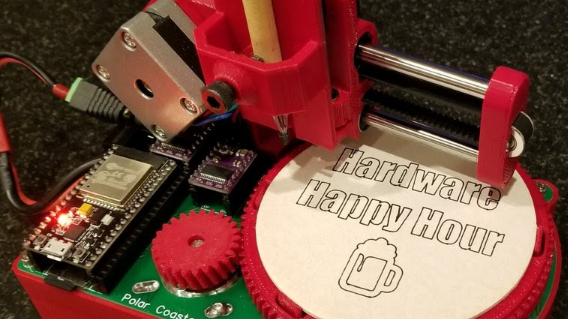
Hardware Happy Hour (3H) is a meetup for engineers, electronics hobbyists, and hardware hackers that takes place in many cities around the world.

With COVID-19 restrictions on in-person events, 3H organizers have setup a Discord server where we can continue to have virtual 3H meetups!

Screenshot from 2020-04-23 13-33-44

Join Hardware Happy Hour (3H) on Discord