We’ve all been there; you finally get the last DigiKey box and now your desk is covered in parts to stuff into a shiny new PCB you’ve been working on. First stop? Passive town, population endless waves of 1uF capacitors. The first one goes in the upper left, then a little below that, then… once…
Who among us doesn’t procrastinate from time to time? We can’t count the number of times that we’ve taken advantage of the Post Office staying open until midnight on April 15th. And when the 15th falls on a weekend? Two glorious additional days to put off the inevitable!
The Hackaday Superconference is a singularity of hardware hackers: more of the best people in the same space at the same time than anywhere else. And that means that your ideas and experiences will be shared with the people most likely to appreciate them. From heroic hacks to creative robotics or untold hardware histories, if there’s a crowd who’ll appreciate how a serial console saved your bacon, it’s this one.
And if you give a talk or workshop, you get in free. But it’s more than that — there’s a different experience of a convention, even a tight-knit and friendly one like Hackaday’s Supercon, when you’re on the other side of the curtain. Come join us! We’d love to hear what you’ve got to say. And now you’ve got a little more time to tell us.
(If you want to get in the old-fashioned way, tickets are still available, but they won’t be once we announce the slate of speakers. You’ve been warned.)
At Hackaday, we’re constantly impressed by the skill and technique that goes into soldering up some homebrew creations. We’re not just talking about hand-soldering 80-pin QFNs without a stencil, either: there are people building charlieplexed LED arrays out of bare copper wire, and using Kynar wire for mechanical stability. There are some very, very talented people out there, and they all work in the medium of wire, heat, and flux.
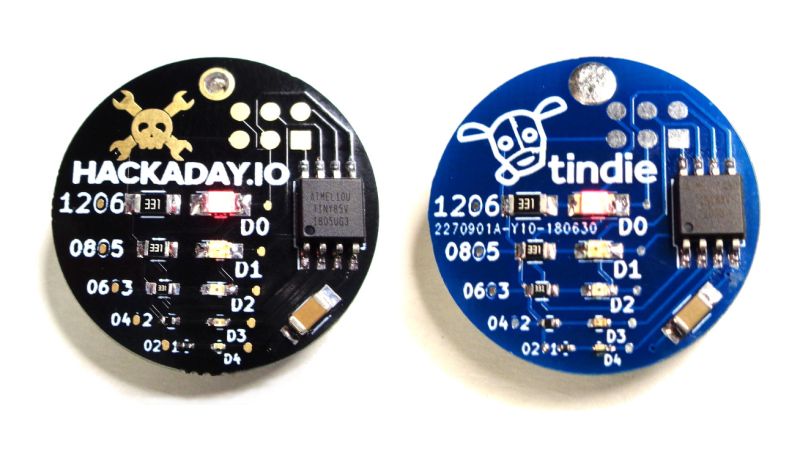
The kit in question was an SMD Challenge Kit put together my MakersBox, and consisted of a small PCB, an SOIC-8 ATtiny, and a LED and resistor for 1206, 0805, 0603, 0402, and 0201 sizes. The contest is done in rounds. Six challengers compete at a time, and everyone is given 35 minutes to complete the kit.
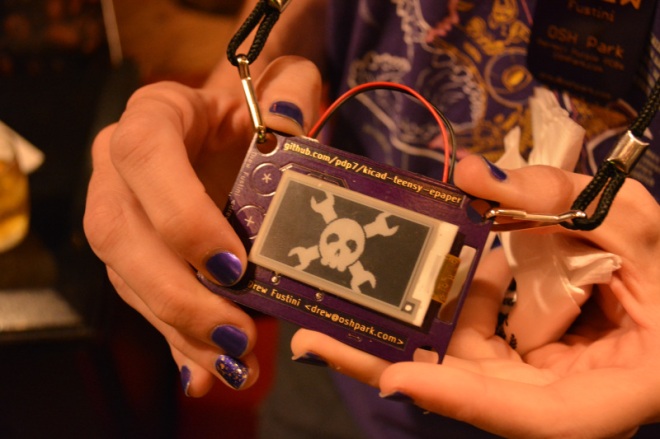
Friend of Hackaday, Drew Fustini, came to our Breakfast at DEF CON meetup sporting a name badge of his own design. The E-Paper Badge uses a Teensy LC to drive a 2.15″ E-Paper display. The row of capacitive touch buttons to the left allow the image to be changed, and he just happened to have the Jolly Wrencher in the gallery of choices for this picture.
This badge gets me really excited for this year’s Open Hardware Summit which is at MIT on September 27th. This year’s badge is a collaborative effort between a group on Hackaday.io! It’s basically Drew’s badge on steroids, and he told me the experience of working with a team has been really positive. It seems each time the group hits a hard problem or a pile of work that needs to be done, someone on the team grabs it and runs with it. It’s a great example of both certified open hardware and team development.
I tried my best to see every badge and speak with every badge maker at DEF CON 26. One thing’s for sure, seeing them all was absolutely impossible this year, but I came close. Check out the great badges shown off in volume 1 and in volume 2 of this series. The game is afoot…
Tented Vias – who’d have thought they play such an essential role? If you have no idea what tented vias are, then you’re not alone and I’m here to enlighten you.
It’s time to submit your proposal for a talk or workshop at the 2018 Hackaday Superconference! Yep, it’s easy to procrastinate with the late days of summer upon us, but don’t miss out on your chance to present at the Ultimate Hardware Conference.
This is your last chance to get your project together for the Human Computer Interface Challenge in this year’s Hackaday Prize. We’re looking for innovative interfaces for humans to talk to machines or machines to talk to humans. These are projects that make technology more intuitive, more fun, and a more natural activity. This is your time to shine, and we’re accepting entries in the Human Computer Interface Challenge in this year’s Hackaday Prize until August 27th. This is your last weekend to work on your project, folks.
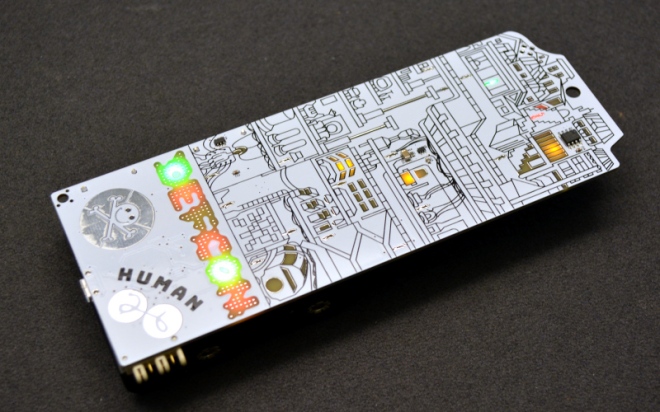
There were so many amazing unofficial badges at DEF CON this year that I can’t possibly cover them all in one shot. I tried to see every badge and speak with every badge maker — like a hardware safari.
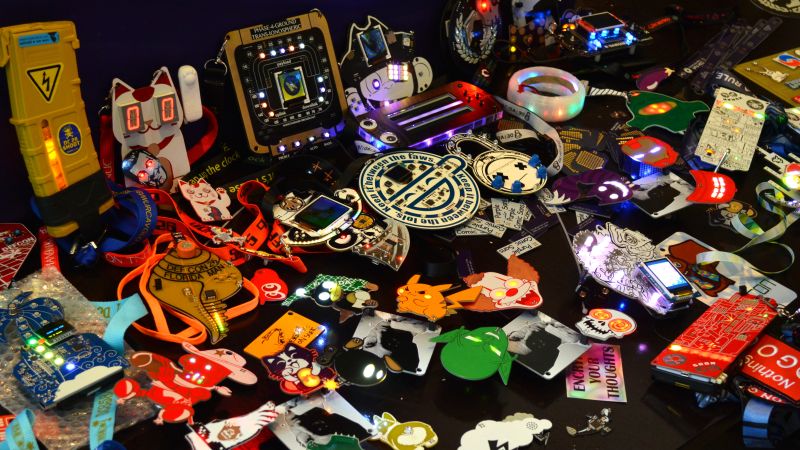
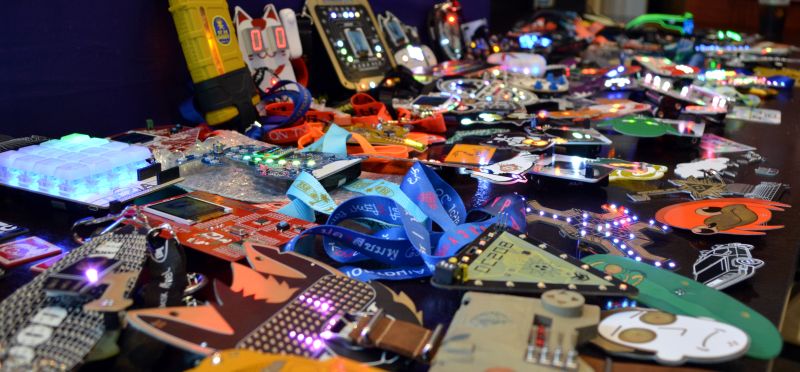
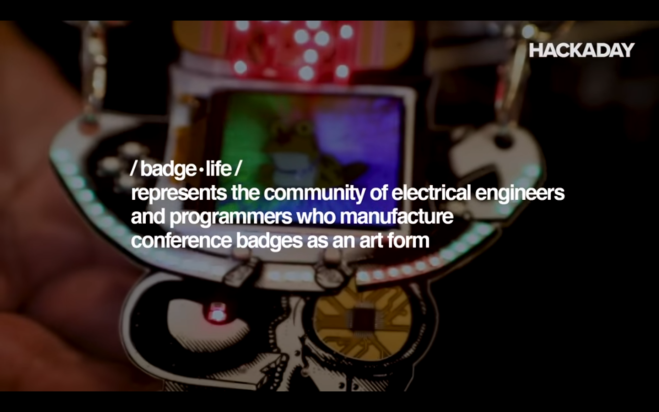
Last week, tens of thousands of people headed home from Vegas, fresh out of this year’s DEF CON. This was a great year for DEF CON, especially when it comes to hardware. This was the year independent badges took over, thanks to a small community of people dedicated to creating small-run hardware, puzzles, and PCB art for thousands of conference-goers. This is badgelife, a demoscene of hardware, and this is just the beginning. It’s only going to get bigger from here on out.
We were lucky enough to sit down with a few of the creators behind the badges of this year’s DEF CON and the interviews were fantastic. Right here is a lesson on electronic design, manufacturing, and logistics. If you’ve ever wanted to be an engineer that ships a product instead of a lowly maker that ships a product, this is the greatest classroom in the world.
Although badgelife may seem like a bunch of hardware engineers sitting behind a pick and place machine for a weekend’s worth of lulz, this is a masterclass of product design and manufacturing. Badgelife is product development, and unlike many other hardware design jobs, the ship date will not slip for any reason. The hardware must be done on time, and if you’re not shipping all the features you promised everyone will be upset. Badgelife is the best experience you’ll ever get in engineering for production, product design, and manufacturing.







 OSH Park