The Pocket SP adds a hinge to the Game Boy

Allison Parrish wrote a detailed blog post about their Game Boy mod journey:
When to hold ’em and when to fold ’em: Adding a hinge to a Game Boy that God never intended

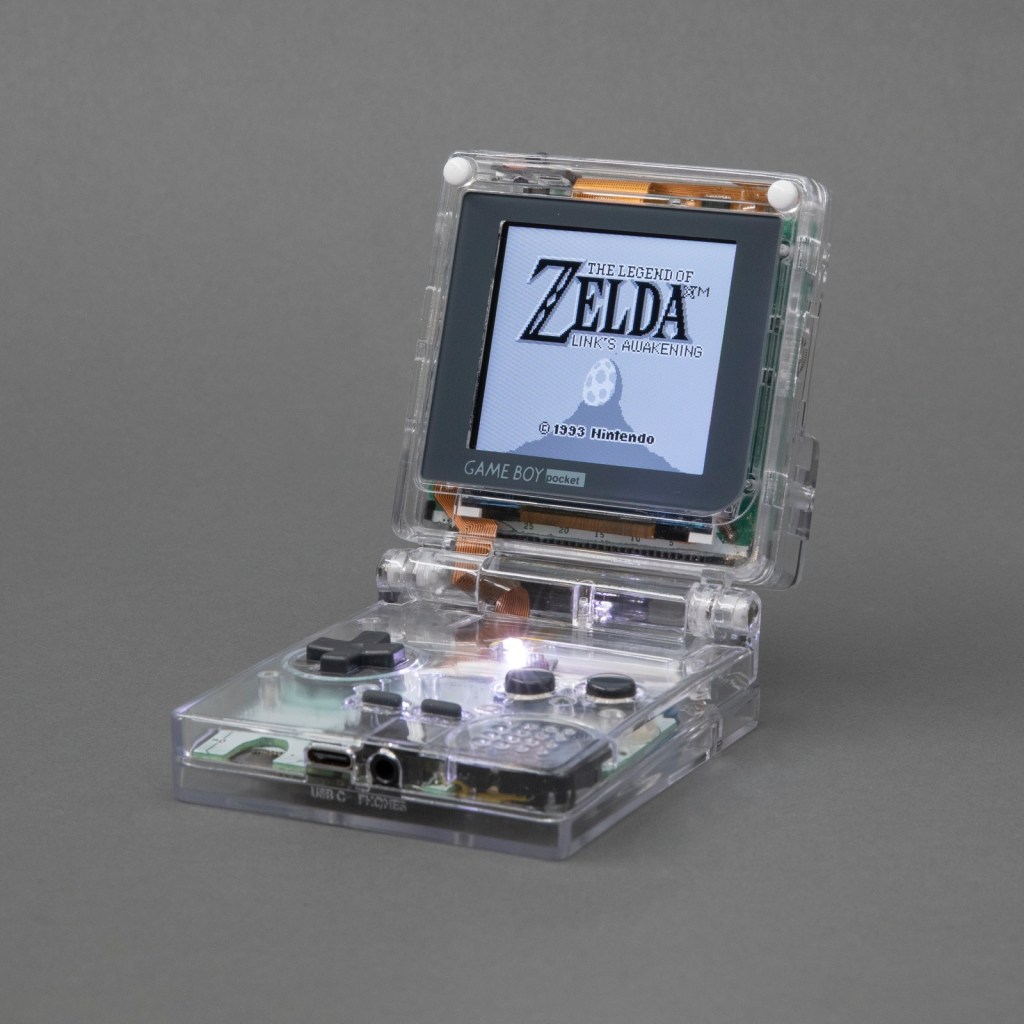
Over the summer I dug in deep with Game Boy modding and made this: the Game Boy Pocket SP. It’s a Game Boy Pocket motherboard that I cut in half and then put into a custom-designed shell with a hinge, a la the Game Boy Advance SP. The build has a pair of custom-designed flex PCBs to make routing signals between the two halves of the board easier. Along the way I taught myself CAD (with FreeCAD), PCB design (with KiCad) and 3D printing. The 3D models and PCB layouts for the Pocket SP are available on GitHub. In this post, I’m going to talk about why and how I made the Pocket SP, and how you can make your own.
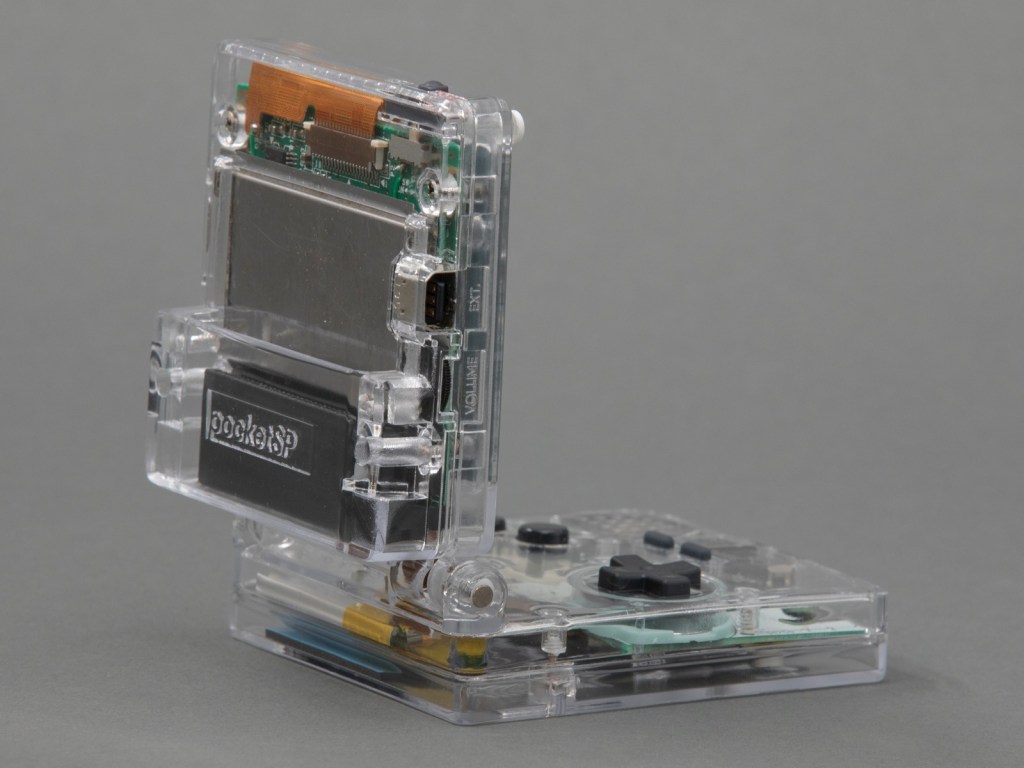
The design of a flexible PCB ribbon cable was key to the ability for the mod to fold up:

I designed a pair of flex PCBs that could be soldered directly to the board. One of the flex PCBs would end in a thin ribbon, which would go through the hinge assembly, and then connect to the other PCB with an FPC connector. This would make it easy to assemble and disassemble the unit, and would also make soldering pretty easy.

I think the closest I’d ever come to designing my own PCB was in grad school, when I downloaded EAGLE and never opened it and then deleted it at the end of the semester. But I’ve always wanted to design and fabricate my own PCB! I decided to use KiCad, because it’s free and open source and also the tool of choice for many modders in the community that I respect.

As with FreeCAD, the tutorial material for KiCad is pretty great. I spent an afternoon following along with the Getting Started guide and felt confident enough afterwards to actually start making my board. My schematic is pretty simple, since all I’m doing is connecting pads to headers and connectors.

Read more…

The Pocket SP adds a hinge to the Game Boy

Beeping, Blinking Business-card Badge (B4)

Greg Steiert has added sound to his amazing NFC business card:

Beeping, Blinking Business-card Badge (B4)

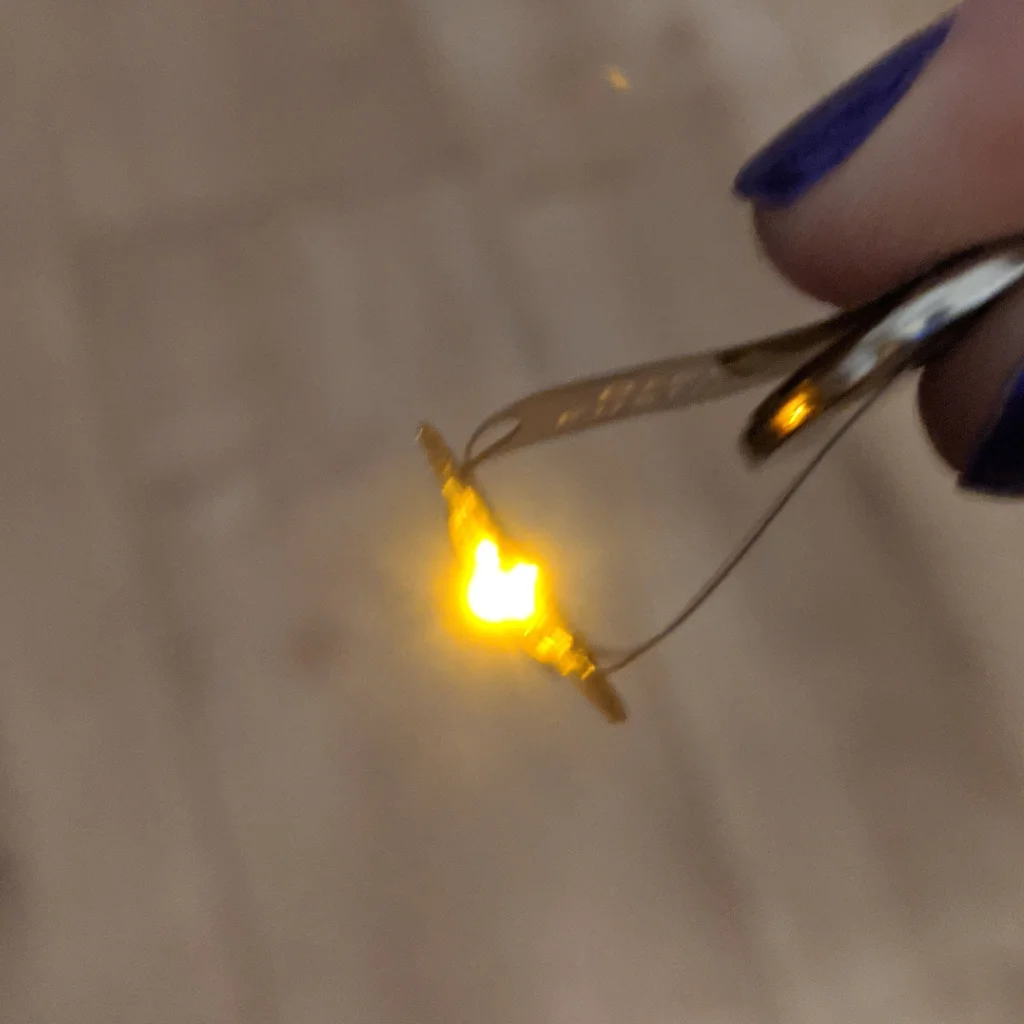
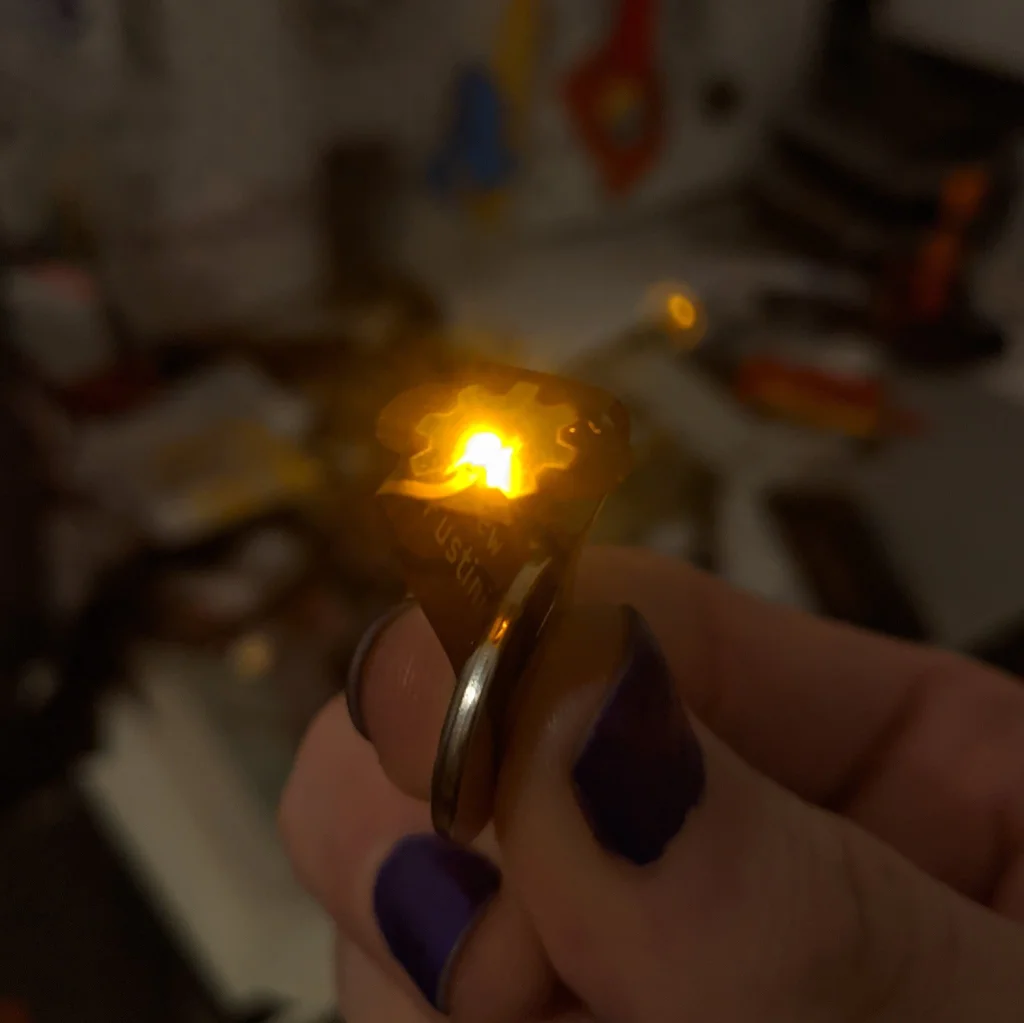
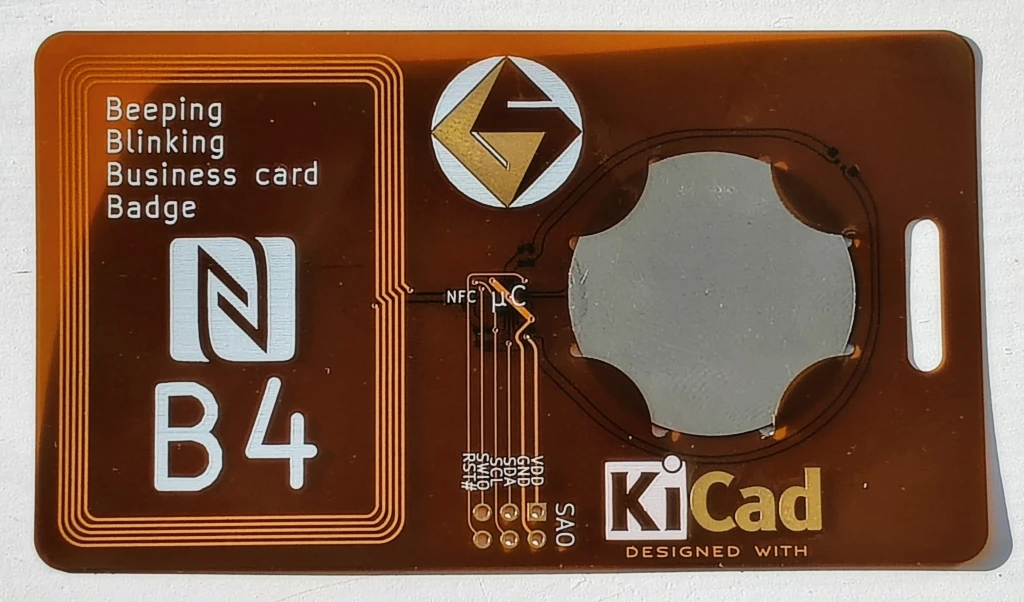
This 1mm thick, environmentally friendly, re-usable business card delivers a vcard with a tap and actively indicates the access with audio and visual cues. Everything is powered from the energy harvested through NFC so there are no batteries to replace. The card provides a URL to a vcard. This is a great project for OSHPARK’s Flex service.

This video shows the 1mm thin Beeping Blinking Business card Badge playing a tune while being read:

This project has evolved over the years.  The current design consists of the NXP NTAG I2C Plus NFC EEPROM that supports energy harvesting.  The NTAG device powers a WCH CH32V003 MCU that drives the buzzer and LED(s).  There are three implementations of this circuit:

b4thin: 1mm thin flex-circuit design

b4handy: a full size hand solderable design 

nfcwchsao  a compact pocketable design

I’ve tried to document my learnings along the way, including designing a battle board to see which NFC EEPROM provides the most current.  These insights are provided in the project logs.

These designs are ideal for OSH Park’s board service.  OSH Park provides 3 copies of the design so you get three attempts to assemble your custom business card.  Sometimes, I made use of all three.  The KiCad files are available on github so you can customize them yourself and build your own personalized card.  With the current three versions of the design there is something for every skill level.  Think twice about the 1mm thin design if you don’t have access to a hot plate or heat gun to mount the thin leadless packages

Beeping, Blinking Business-card Badge (B4)

This USB-C Connector Is Flexible

From Hackaday:

The USB-C standard with its smaller connector has so far mostly escaped this trend, though this might be about to change thanks to the work of [Sam Ettinger]. His own description of his USB-C connector using a flexible PCB and a BGA-packaged ATTiny84A microcontroller is “cursed”, but we can’t decide whether or not it should also be called “genius”.

Key to this inspired piece of connector fabrication is the realization that the thickness of BGA and flex PCB together comes to the required 0.7 mm. The BGA provides the necessary stiffness, and though it’s a one-sided connector it fits the space perfectly. There are several demo boards as proofs-of-concept, and the whole lot can be found in a GitHub repository.

Read more…

This USB-C Connector Is Flexible

“Purr Module” Flex PCB for Companion Bots

From Alex Glow at Hackster:

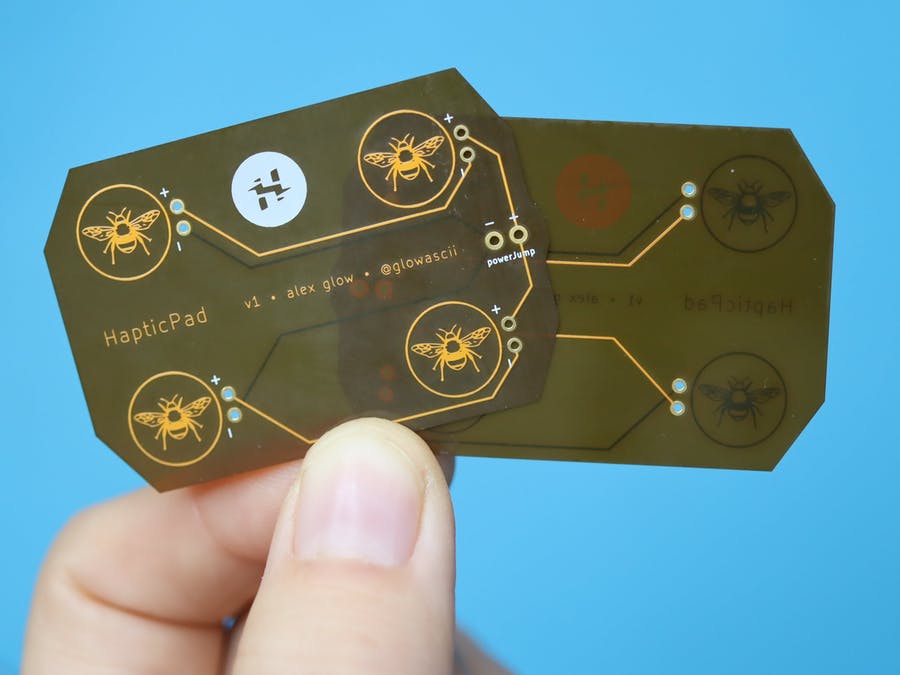
furry companion robot that can purr? For me, a roboticist who can’t have pets, my newest bot will make the winter months so much more cozy! I’ve designed this module in KiCad to provide a soothing purring interaction, complementing my Companion Core. It runs on 5V and can power two or four haptic vibration motors.

Plus, it has a neat bee design! Buzz buzz. 🐝

“Purr Module” Flex PCB for Companion Bots

Modchip style SOIC8 EEPROM to Stemma QT adapter


Francois Gervais
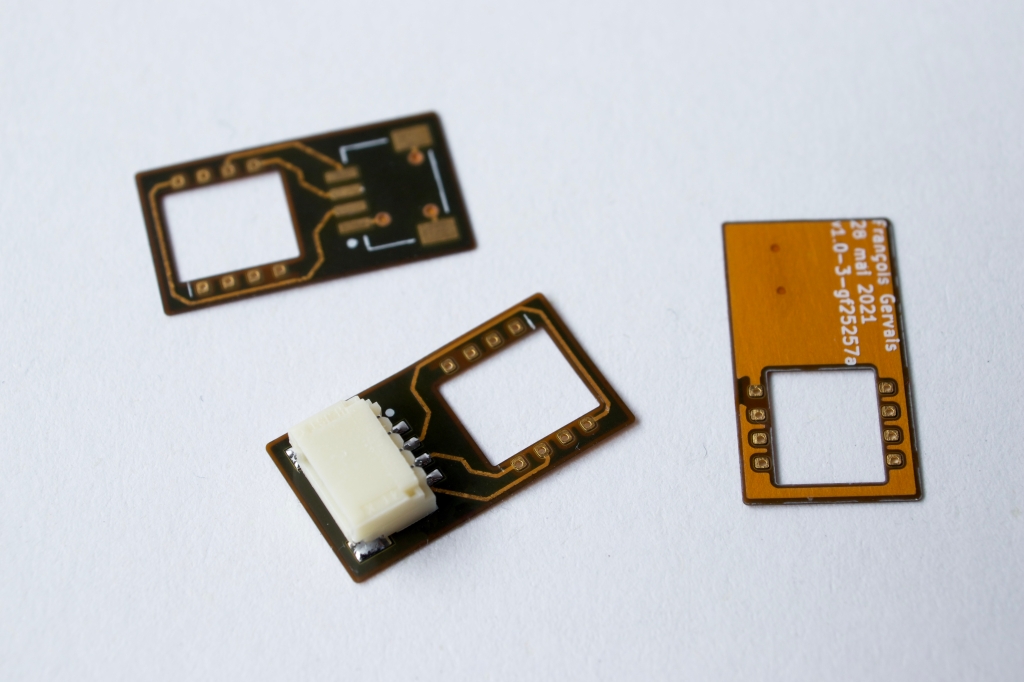
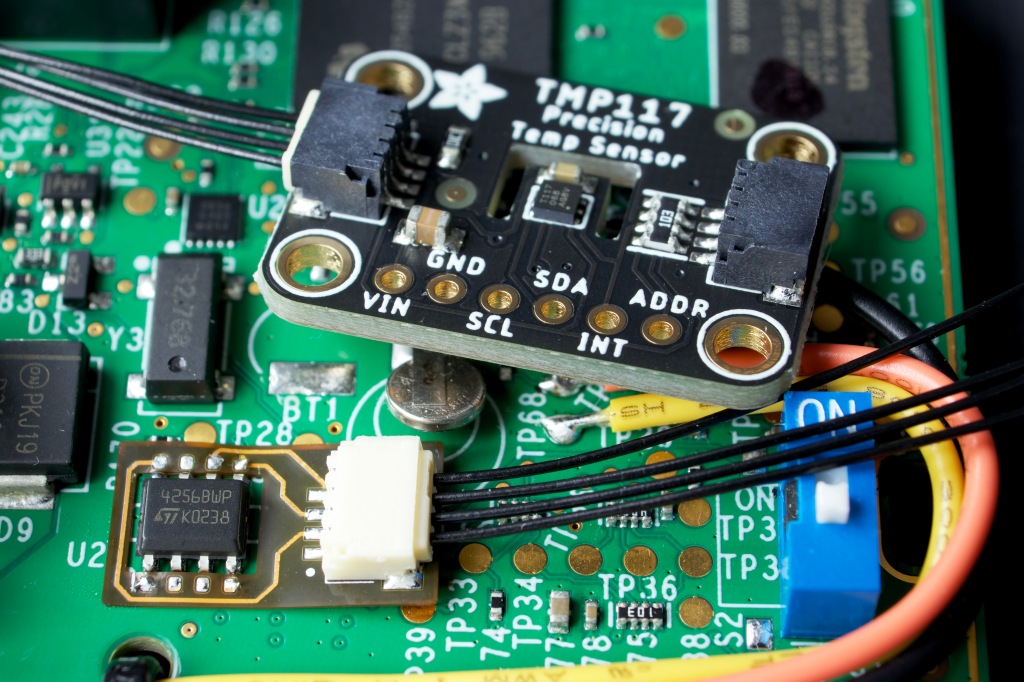
designed this clever flexible PCB:

Modchip style SOIC8 EEPROM to Stemma QT adapter

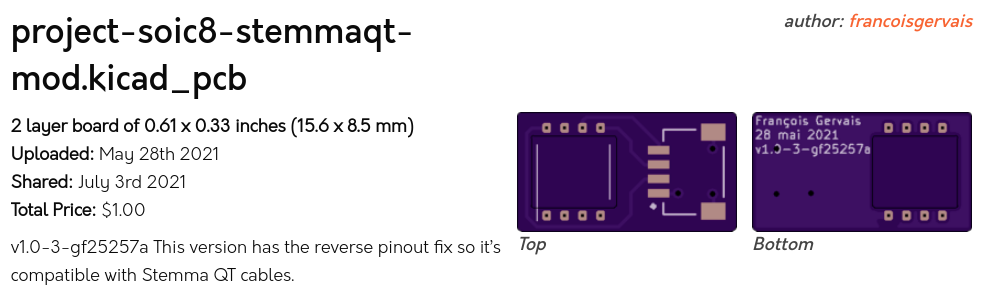
The design is available as a shared project:

Modchip style SOIC8 EEPROM to Stemma QT adapter

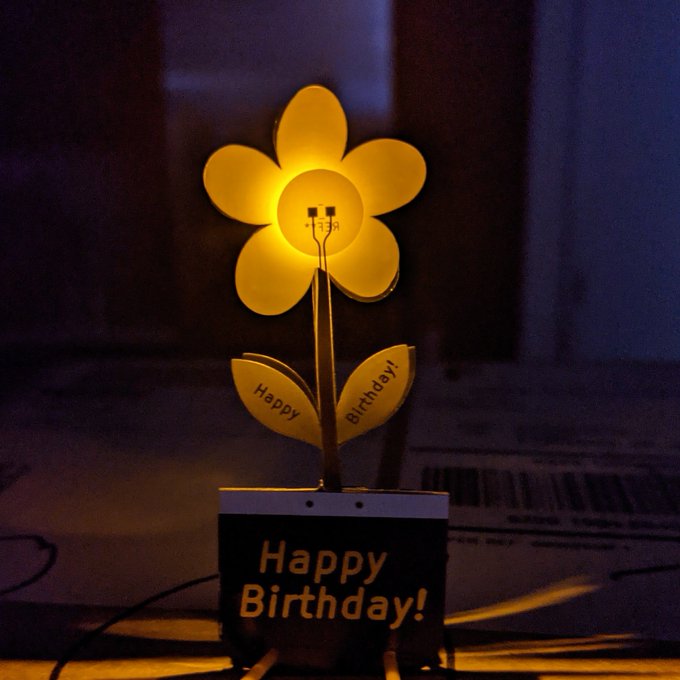
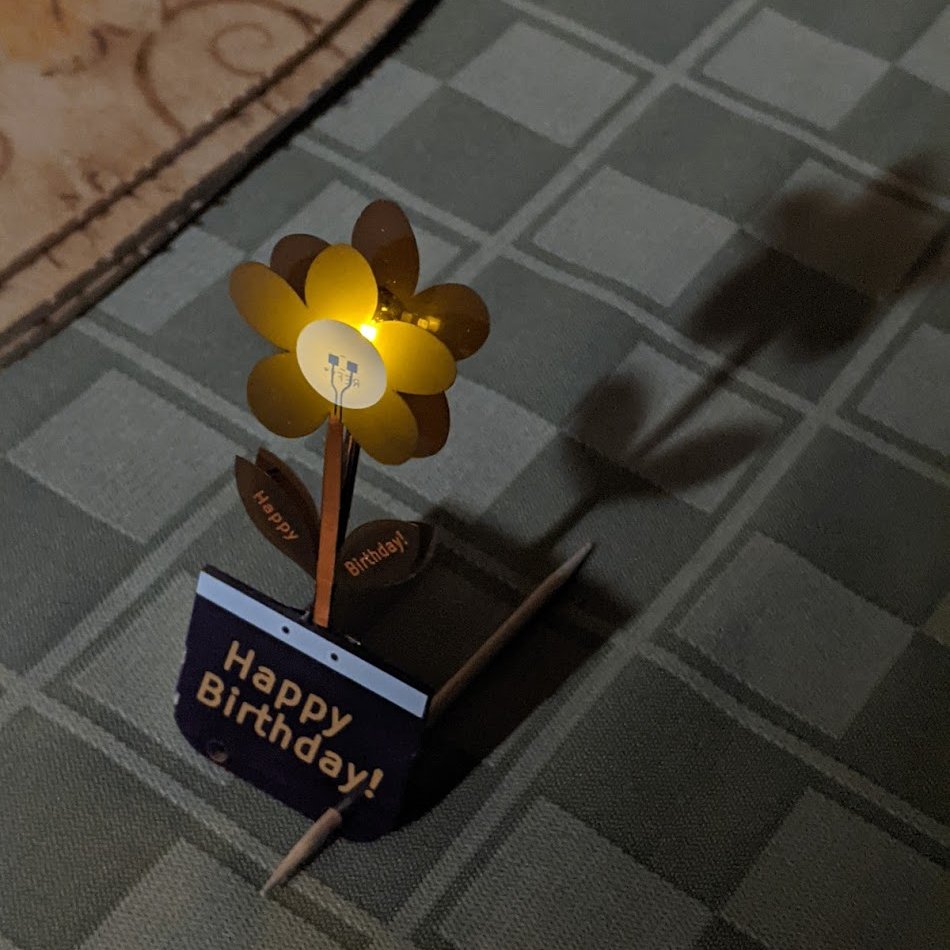
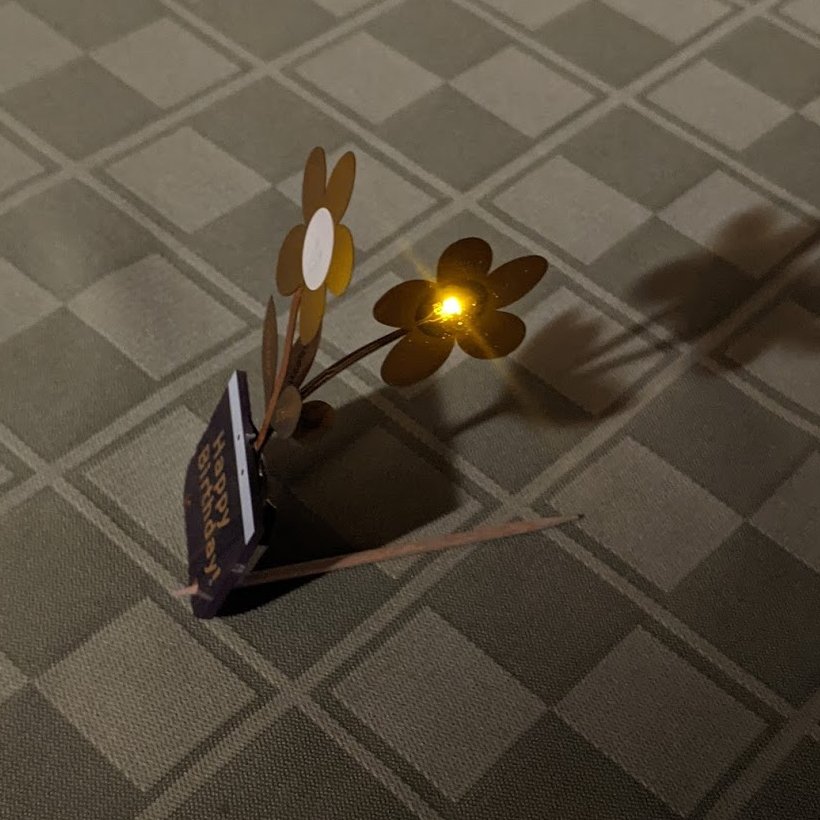
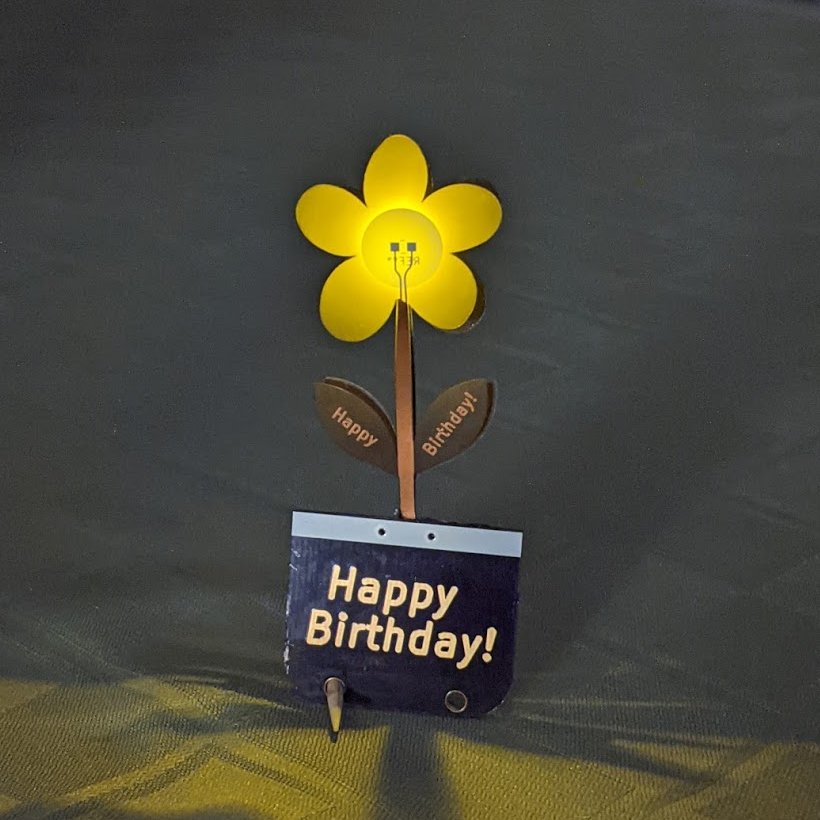
Flexible PCB flower 🌼✨

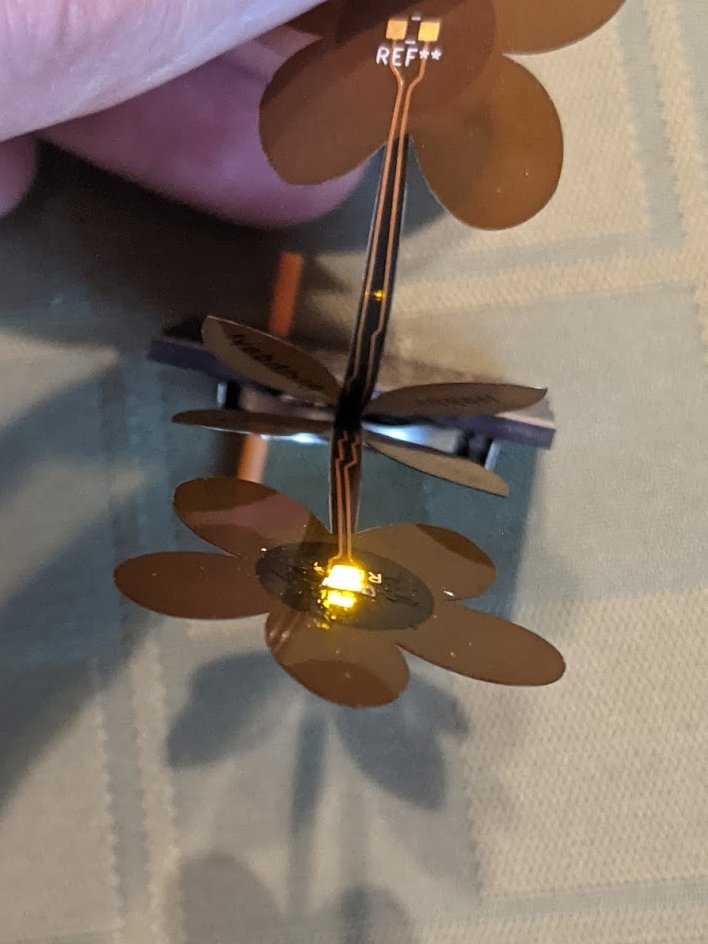
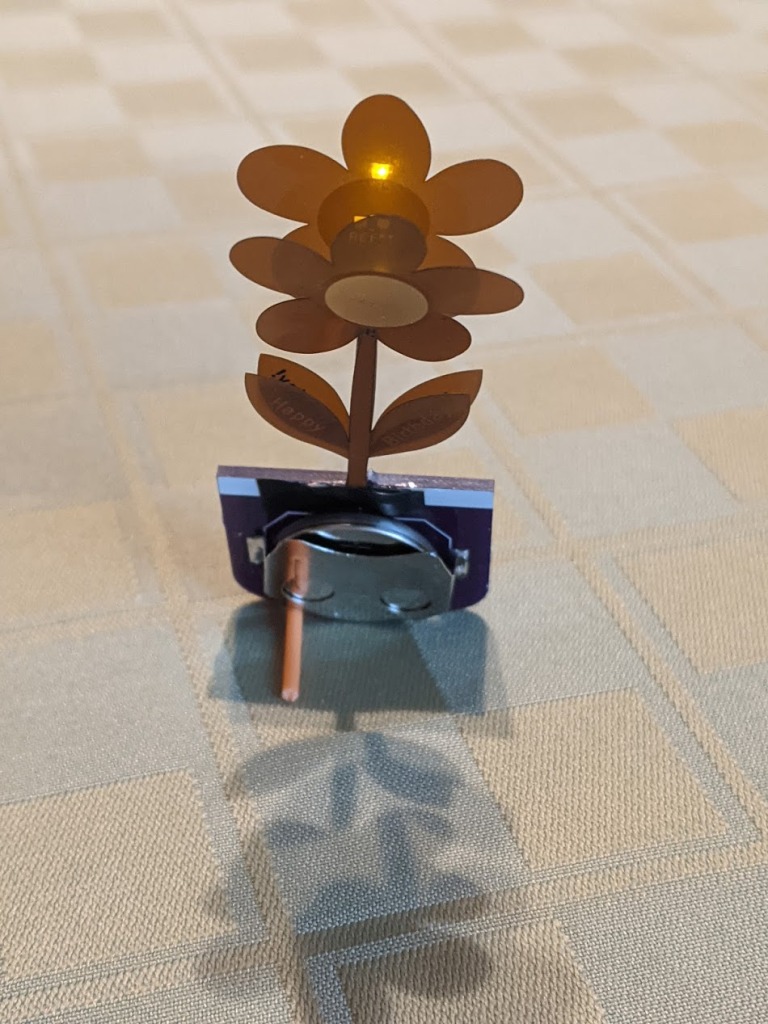
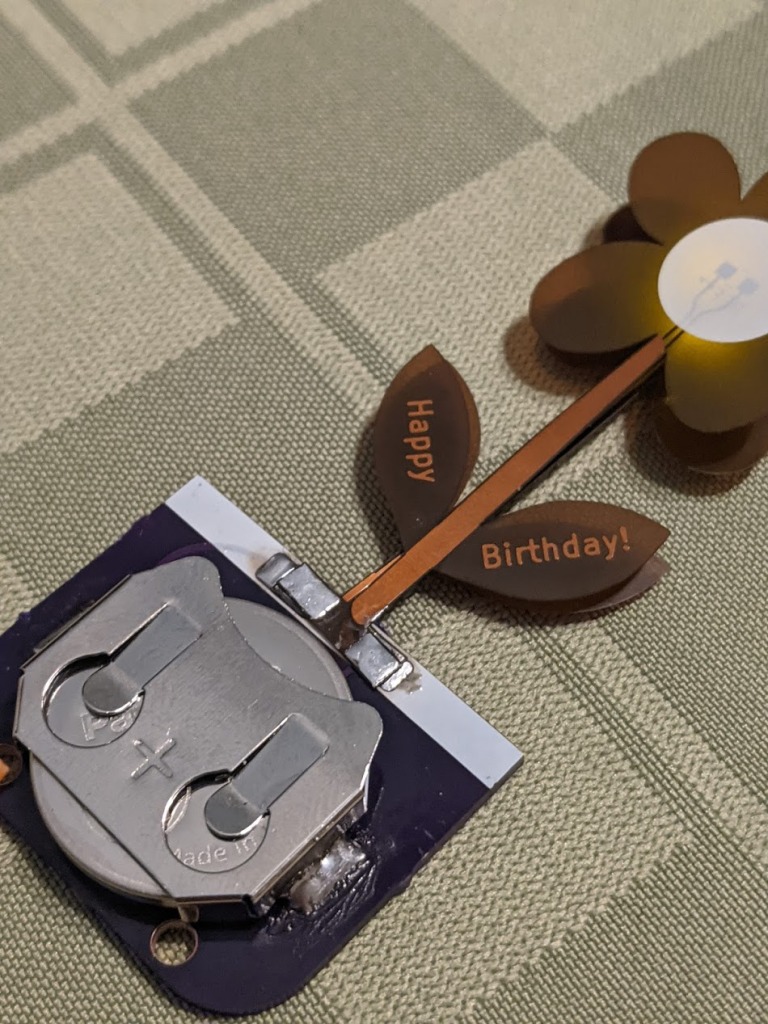
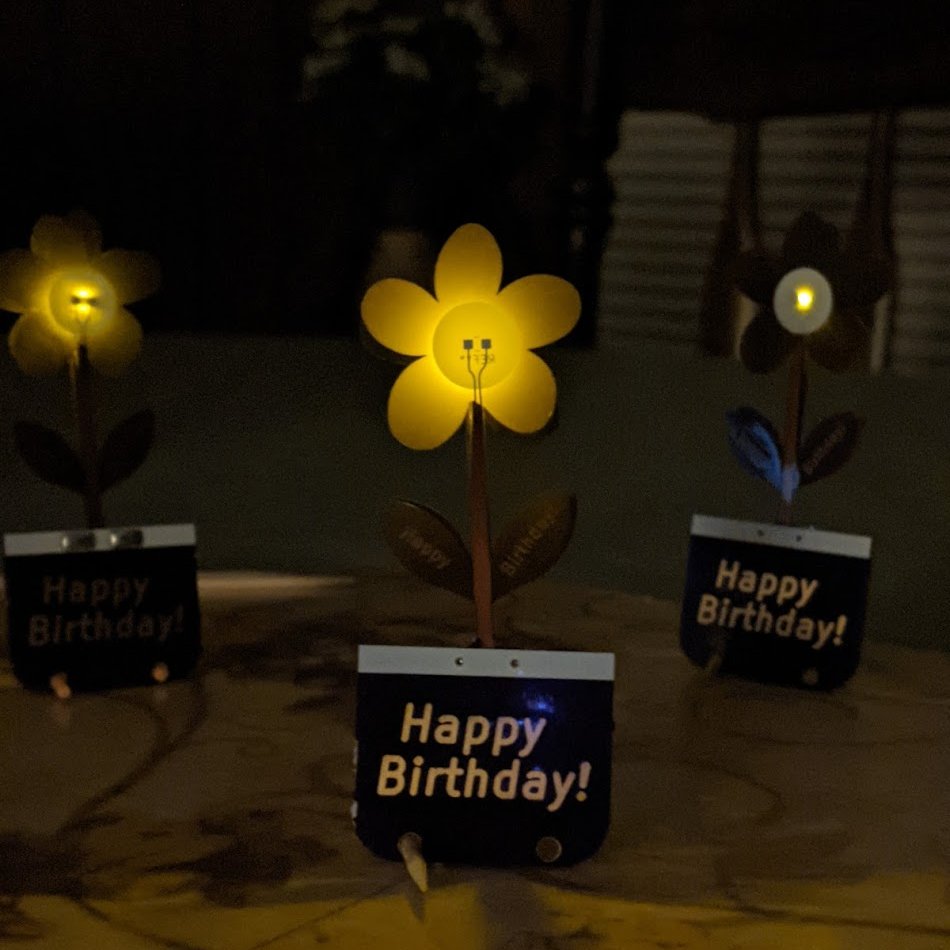
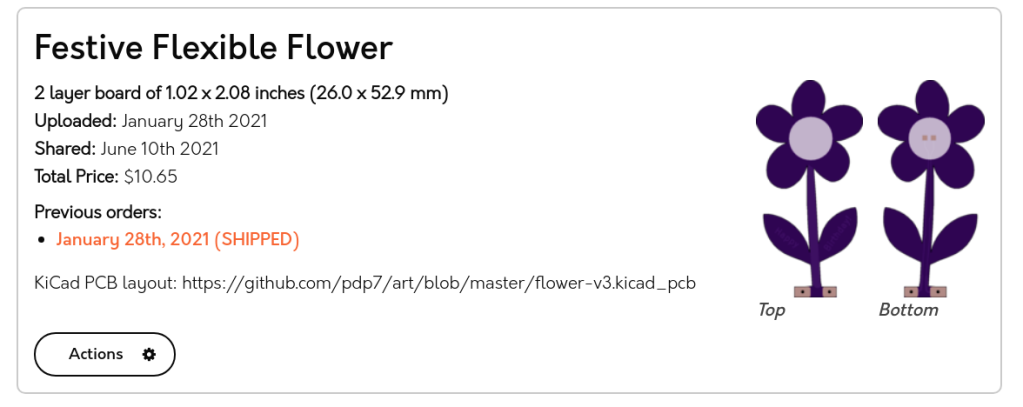
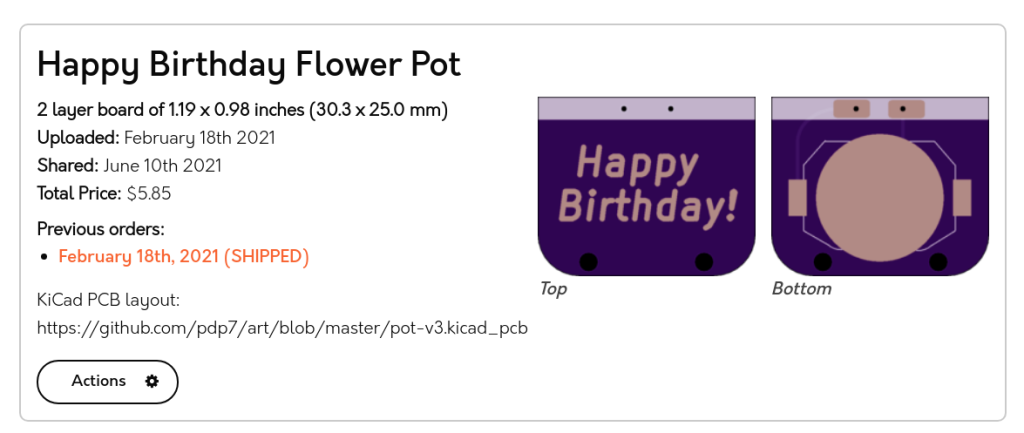
In this PCB art project, a surface mount LED is mounted on a flexible PCB “flower” connected to rigid PCB “pot” with a coincell battery:

Both PCBs were designed in KiCad PCB:

Using a second flexible PCB flower to diffuse the LED produced the best results

The PCBs are available as shared projects:

Festive Flexible Flower

Happy Birthday Flower Pot

Flexible PCB flower 🌼✨

Flex PCB mod for USB Type C

Great use of a flexible PCB in this project by James Ide:

USB-C-to-C Power Mod Flex PCB

Many devices have a USB-C connector to charge or power them. This is very convenient given the popularity of USB-C, its reversible cable design, and sturdy, compact design.

However, some devices will not draw power when using a USB-C-to-C cable connected to a spec-compliant charger, but will when using a USB-A-to-C cable. The USB-C specification requires upstream facing ports (UFPs), the port of the device receiving power, to connect pull-down resistors to the configuration channel (CC) pins. These missing pull-down resistors are a common reason why devices can draw power with A-to-C cables but not C-to-C ones.

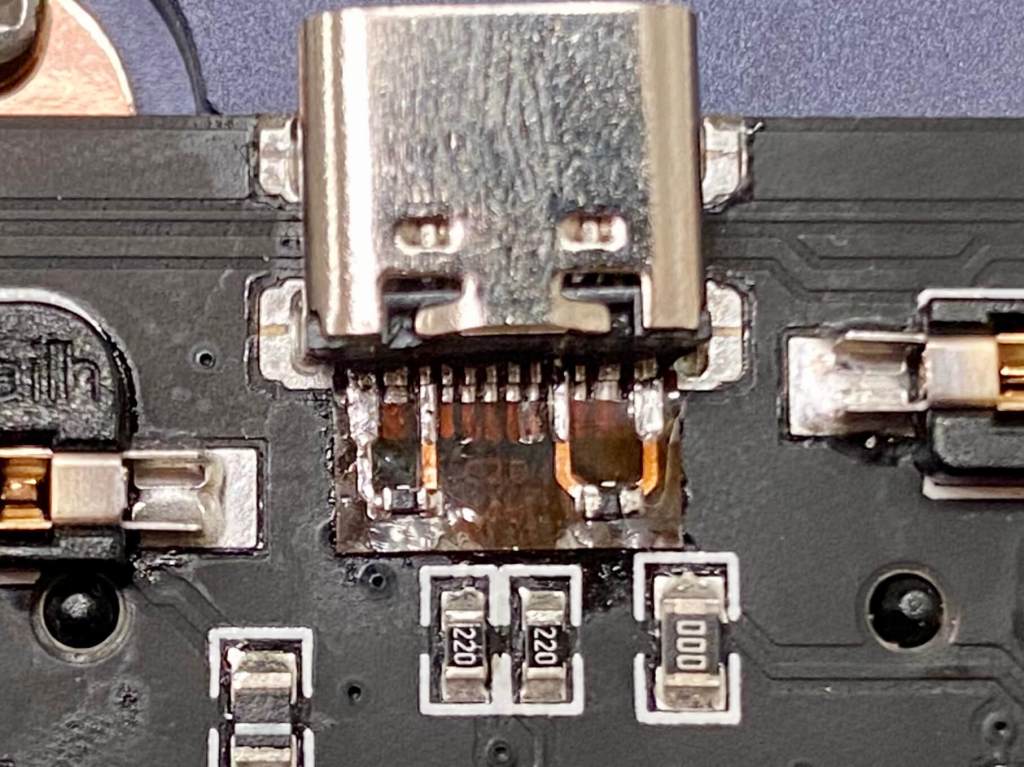
Wouldn’t it be great to be able to add these resistors and enable USB-C-to-C power? This mod does just that. It is a small flex PCB with pads for two 5.1kohm pull-down resistors between CC1 and CC2, respectively, and GND.

Flex PCB mod for USB Type C

Designing a custom Trill flex sensor

Exciting announcement from the Bela team about a new flexible version of the Trill touch sensor:

Designing a custom flex sensor

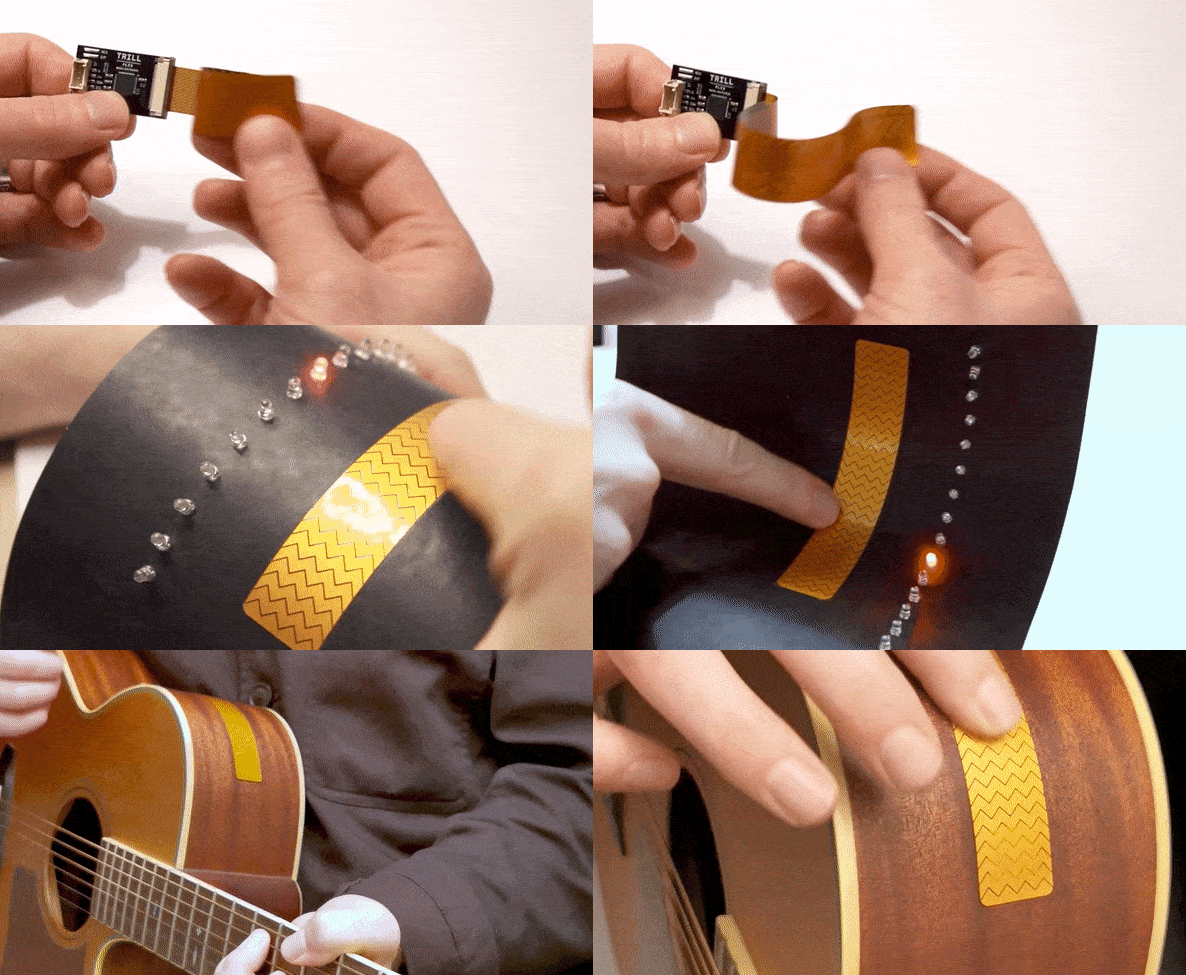
Trill Flex brings flexible touch sensing to your maker projects. Trill Flex comes with a one-axis multitouch sensor printed on flexible PCB, but we designed this sensor to be detachable so you can create entirely custom sensors perfectly suited to your own projects.

In this tutorial we will create a custom 30-button flexible touchpad. You will learn how to set up a KiCad project and include the Trill design files, draw the pads, add a ground plane, and get your design ready to be printed. (Every purchase of Trill Flex comes with a unique discount code for $20 off flex PCB printing with our friends at OSHPark.com.)

Trill Flex is available now on the Bela shop

Designing a custom Trill flex sensor

Flexible battery tester

This flexible PCB is designed to a test battery like a CR2032 coincell. The board has cutouts to allow it to fold over the positive and negative terminals and, if the battery has a enough voltage, turn on a LED:

Flexible battery tester

Sensor Ring: a new project from Open Book creator Joey Castillo

Tom Fleets writes on Hackster about the latest prject form Open Book creator Joey Castillo:

The Newest Oddly Specific Object — the Sensor Ring — Shows Off the Latest Work From Joey Castillo!

Joey Castillo is one of those makers that not only seems to have a myriad projects continuously on the go, but also seems to actually make significant progress on them, rather than getting overwhelmed from juggling them in the air — something I’ve been known to end up doing…

With a striking resume of work that includes the Open Book, the Hiking Log, and even the more somber Big Board of Death, he’s no stranger to the pages at Hackster.io!

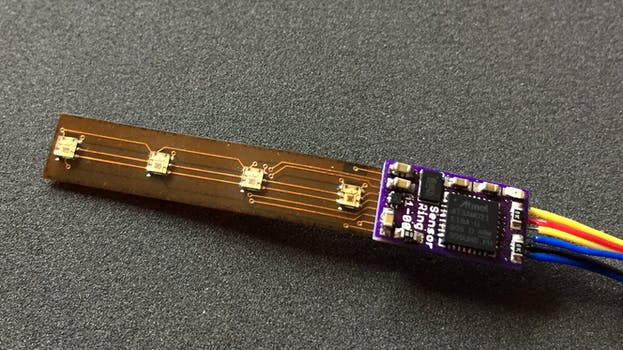
Keeping in following with Castillo’s focus on projects that monitor health metrics, his latest work tracks that theme perfectly, but also scales down the size of the hardware to something intended to fit within the form factor of a ring!

Sensor Ring: a new project from Open Book creator Joey Castillo