Hackaday: What Actually Happens At A Hardware Hacking Con


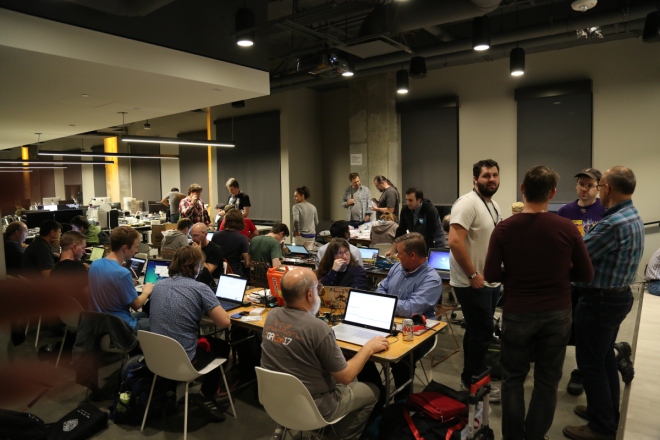
The Hackaday Superconference was last weekend, and it was the greatest hardware con on the planet. What can you build out of a conference badge? If you answered “a resin-based 3D printer” you would have won a prize. If you decided to put your badge in a conference water bottle and make a stun gun…

via What Actually Happens At A Hardware Hacking Con — Hackaday

Hackaday: What Actually Happens At A Hardware Hacking Con

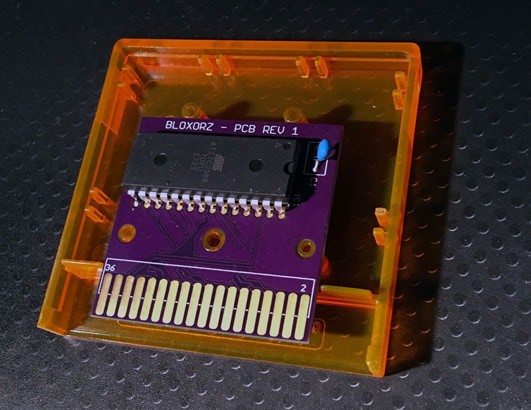
Vectrex cartridge board

From Frank Buss on hackaday.io:

9109901511267007275

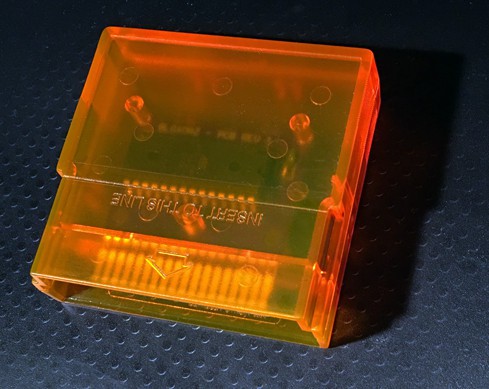
Vectrex cartridge

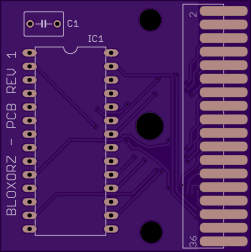
This is my first version of a PCB for building a Vectrex cartridge. I used this for my Kickstarter project for the Bloxorz game. The PCB was manufactured by @oshpark , you can order your board here.

1073231511269047209

It fits in this 3D printed case from Thingiverse (you can order it here in my Shapeways shop), or in one of the nice new injection molded cartridge shells from Sean Kelly

Frank has launched a Kickstarter campaign:

FrankBuss has shared the board on OSH Park:

vectrex.brd

0323f5d9aaa6f3712fe6de2dc0acea95

Order from OSH Park

Vectrex cartridge board

SoftRF LoRa

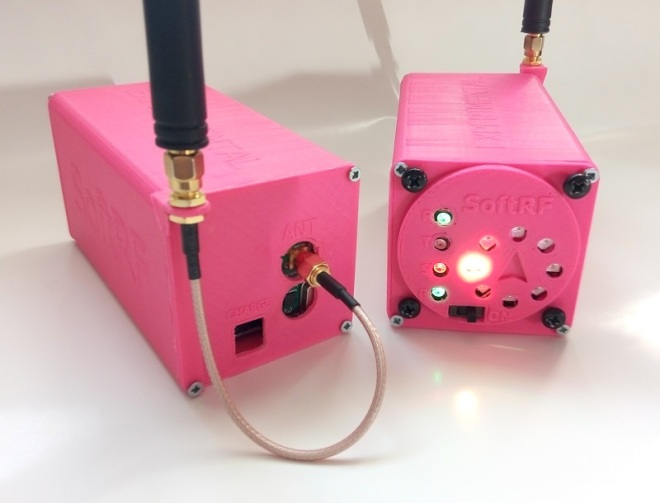
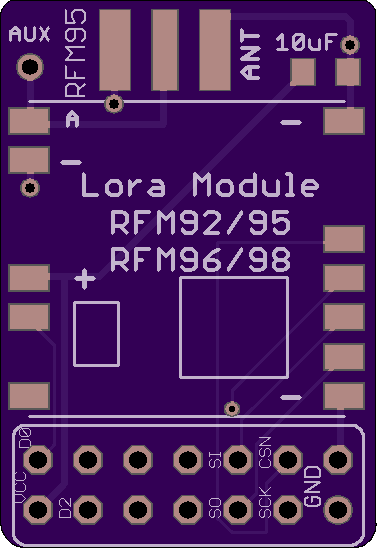
SoftRF is an open project for aircraft collision avoidance avionics and has designed an adapter for RFM9x to fit NRF905 module dimensions and pinout:

SoftRF-Case-v4-Exterior.jpg

SoftRF

Multifunctional DIY IoT-based general aviation proximity awareness system.

Features:

  • 2-way raw data bridge between 868/915 MHz radio band and Wi-Fi ;
  • standalone, battery powered, compatible proximity awareness instrument that fits typical 2.25 inches hole ;
  • lightweight version to carry onboard of an UAV.

SoftRF has shared the board on OSH Park:

SoftRF-LoRa v1.1
5f73fc41f6451b8e917ee454e7715b05
Order from OSH Park

SoftRF LoRa

LTE NB-IoT Shield for Arduino

From Timothy Woo on Hackaday.io:

8302141510267404941.jpg

LTE NB-IoT Shield for Arduino

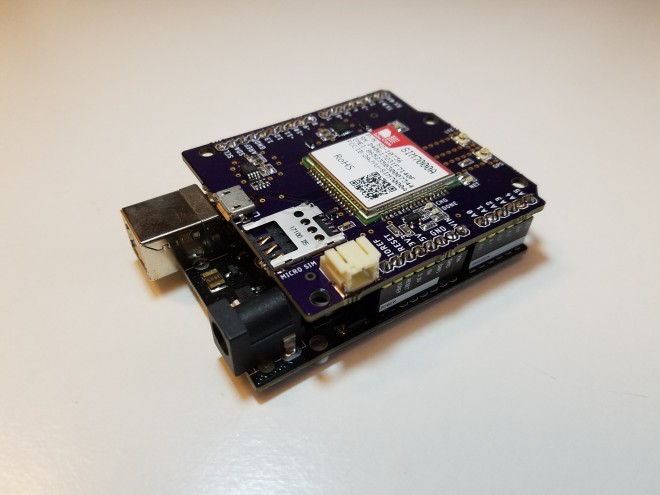
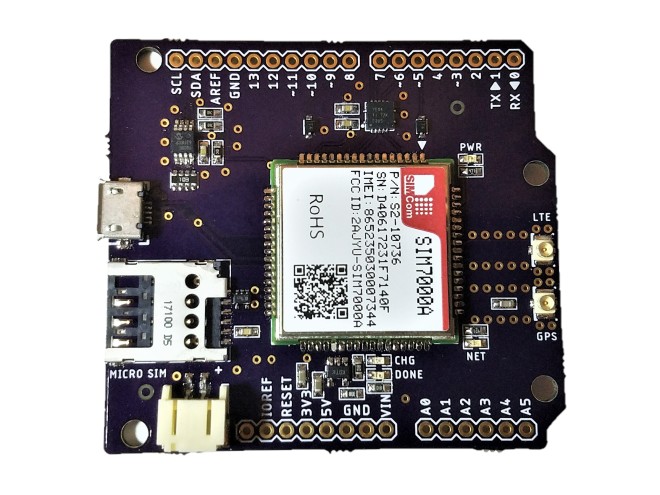
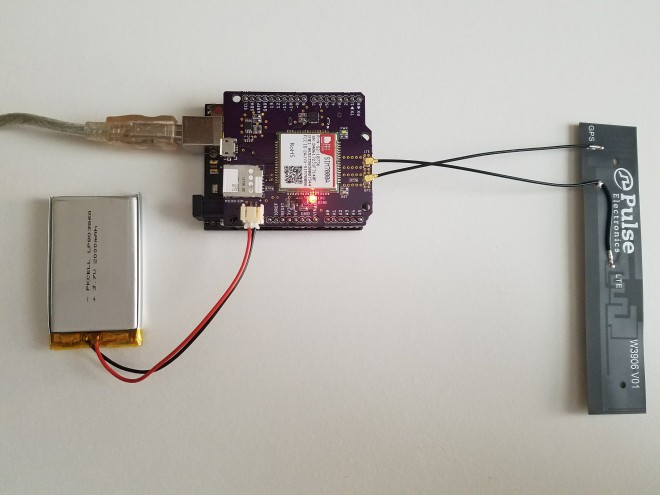
This open-source LTE shield uses SIMCOM’s SIM7000-series modules with the latest LTE CAT-M technology to allow Arduino users to painlessly connect their low-power IoT devices with the next-generation cellular technology!

6990071510267413269

NB-IoT is also available for many countries (but sadly not in the USA yet) simply by swapping out to a different SIM7000 module version. Luckily SIMCOM made it super easy to integrate this module because most of the AT commands are identical to previous version, and Adafruit has a wonderful library for their FONA 2G and 3G products. Check it out and help make this happen!

3454341510977654311

You can view the latest code and design files here on my Github page: https://github.com/botletics/NB-IoT-Shield. Note: The hardware works great but software is still under development! I plan on launching an Indiegogo campaign when I get a fully-working prototype, so stay tuned for updates!

LTE NB-IoT Shield for Arduino

NeuroBytes: Electronic Neuron Simulators

From on the Hackaday blog:

Real-Life Electronic Neurons

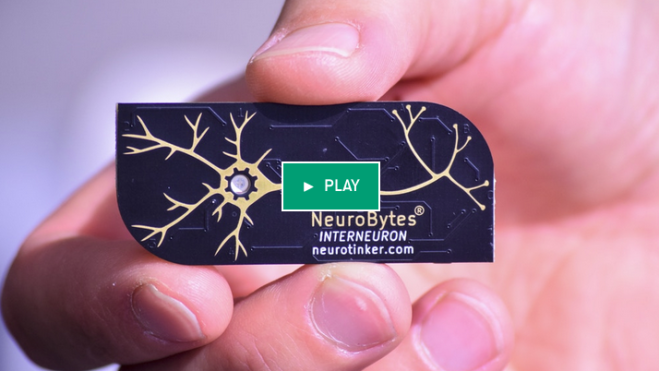
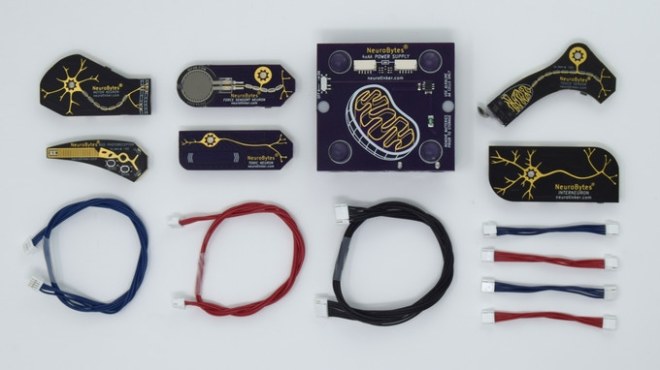
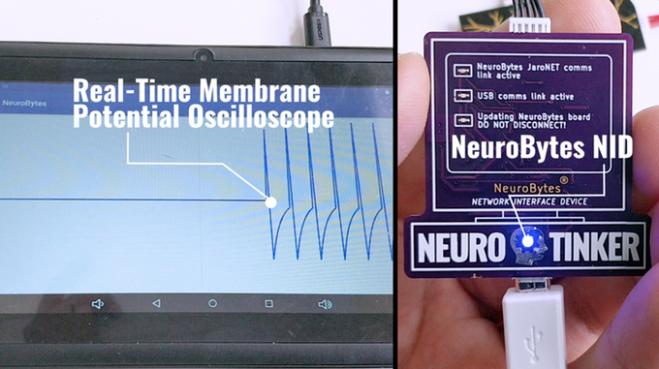
NeruroBytes is not a strange platform for neural nets. It’s physical neurons, rendered in PCBs and Molex connectors. Now, finally, it’s a Kickstarter project, and one of the more exciting educational electronic projects we’ve ever seen.

Screenshot from 2017-11-19 22-07-41.png

Regular Hackaday readers should be very familiar with NeuroBytes. It began as a project for the Hackaday Prize all the way back in 2015. There, it was recognized as a finalist for the Best Product,

7423c3f872bda7164e46ca8324d93e87_original

Since then, the team behind NeuroBytes have received an NHS grant, they’re certified Open Source Hardware through OSHWA, and there are now enough NeuroBytes to recreate the connectome of a flatworm. It’s doubtful the team actually has enough patience to recreate the brain of even the simplest organism, but is already an impressive feat.

a17325c3614418883f95a537b10adc44_original.png

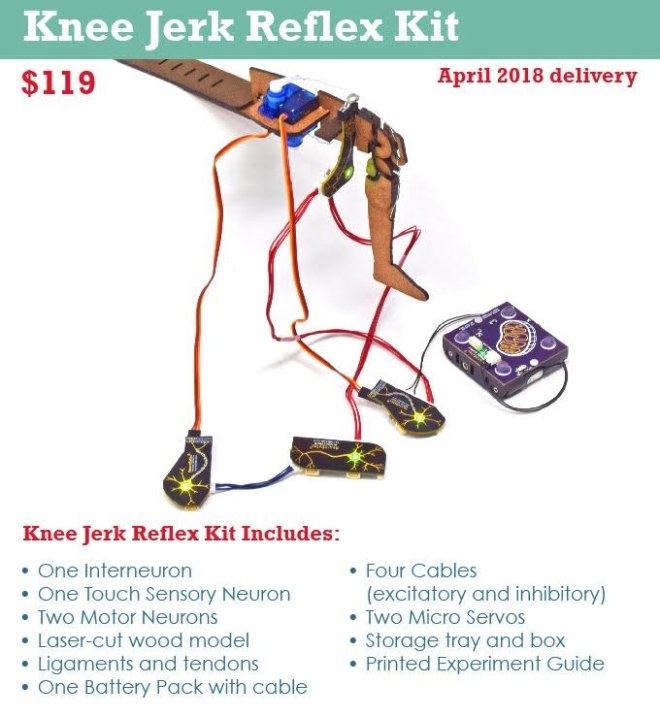
The highlights of the NeuroBytes Kickstarter include seven different types of neurons for different sensory systems, kits to test the patellar reflex, and what is probably most interesting to the Hackaday crowd, a Braitenberg Vehicle chassis, meant to test the ideas set forth in Valentino Braitenberg’s book, Vehicles: Experiments in Synthetic Psychology. If that book doesn’t sound familiar, BEAM robots probably do; that’s where the idea for BEAM robots came from.

8de00e81d3d907dd127bfcafaf0d3148_original

NeuroBytes: Electronic Neuron Simulators

The Hacker Village of Supercon

I’m utterly exhausted and still in a state of awe. The Hackaday Superconference has grown in so many ways, but one thing remains the same: the spirit of the Hacker Village — an intangible feeling that grows up around all who attend — is bliss to take part in. There’s really no substitute for having…

via The Hacker Village of Supercon — Hackaday

0q6a7379

The Hacker Village of Supercon

DRV8818 Stepper Driver Module for 3D Printers

RAMPS compatible driver module based on DRV8818 by Dean Gouramanis:

Screenshot from 2017-11-15 01-01-04

DRV8818 Stepper Driver Module for 3D Printers

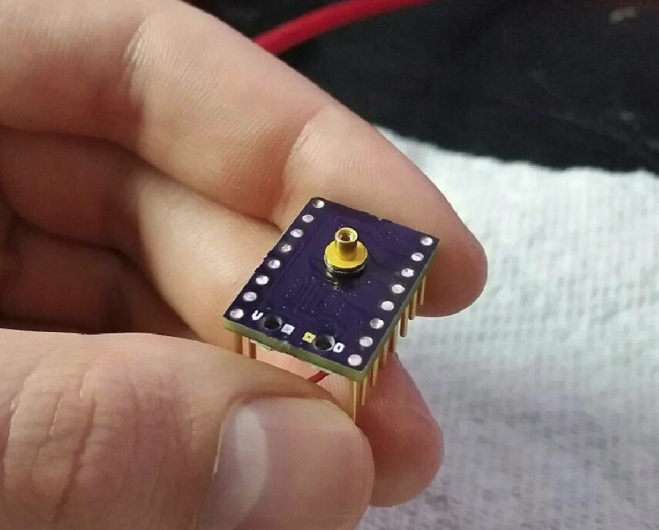
The goal of this project is to fit the DRV8818 driver circuit onto the standard 0.8″ X 0.6″ PCB size used in RAMPS 3D printers. DRV8825 drivers are a popular choice for desktop 3D printers, because they can provide up to 2.5 amps peak current. The DRV8818 is a similar IC capable of driving up to 3.5 amps, but the circuit is too large to fit on PCB using regular methods. Also, without a propper heatsink it will overheat.

Schematic, gerbers and mechanical CAD files are shared on GitHub:

dgouramanis/T18_driver

 
DRV8818 Stepper Driver Module for 3D Printers

Tiny ESP32 WROVER pSRAM board

Tiny ESP32 board from the store on Tindie with optional battery header and pSRAM:

Screenshot from 2017-11-15 00-17-12.png

Tiny ESP32 WROVER pSRAM board

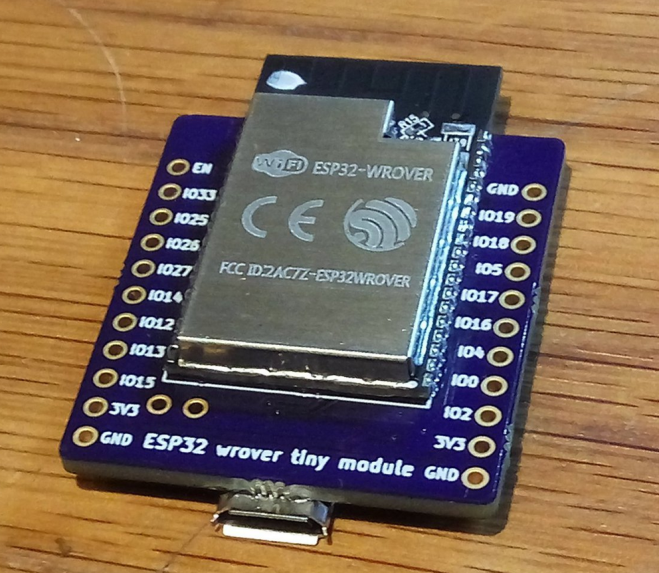
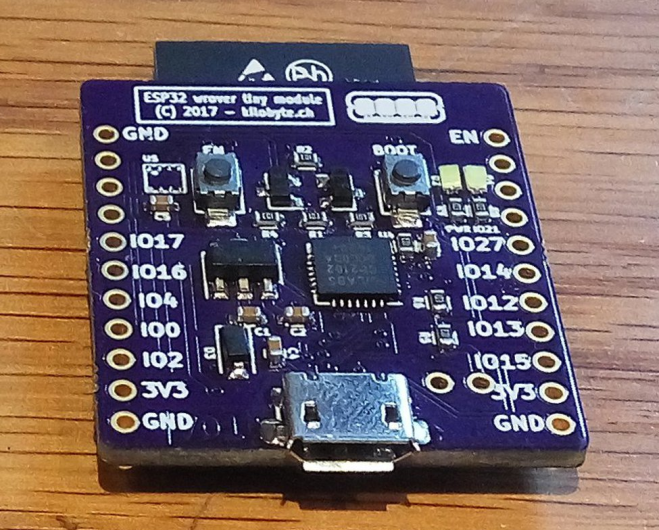
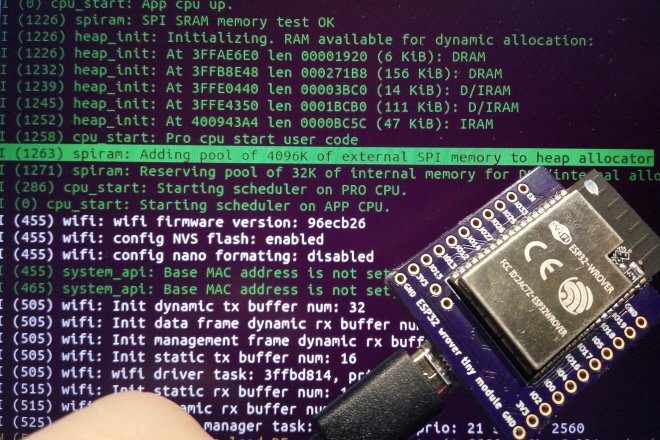
It’s a little ESP32 Board. Perfect for controlling or sensing stuff in the real world and sync it to the internet! Despite that it features the ESP32 WROVER Module. This means it got 4MB FLASH and 4MB RAM. That’s an absolute incredible amount of RAM. I honestly have no clue for what I will ever need 4MB in my embedded Projects.

Screenshot from 2017-11-15 00-25-49

Why did you make it?

I wanted a small ESP32 Board with the pSRAM and which works and doesn’t eat your whole time to get it working and find it’s issues and quirks.

I’ve used the CP2102 Serial converter because this is the one, which works the best way to program the ESP32. Even Espressif uses this serial converter on their own dev boards.

2017-11-14T20:11:04.072Z-IMG_20171114_204145

What makes it special?

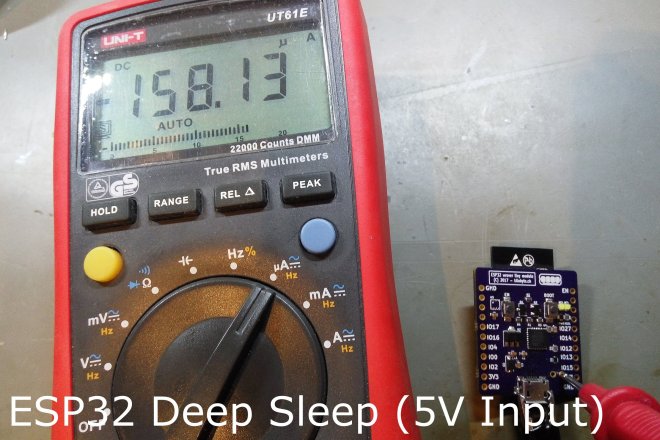
It’s propably the smallest ESP32 Board with pSRAM. Despite the size it’s ideal for battery operation. It uses under 200uA in Deep Sleep mode!

2017-11-14T21:18:21.815Z-IMG_20171114_221457

Tiny ESP32 WROVER pSRAM board

High Speed Data Acquisition Chat

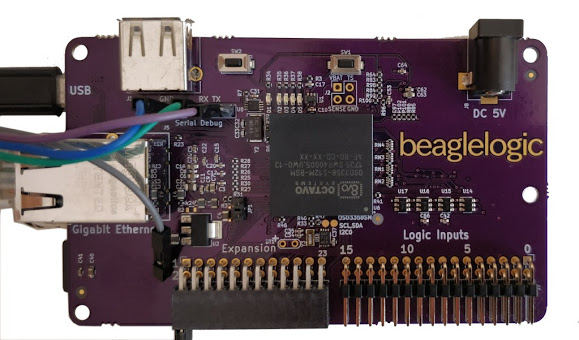
Kumar Abhishek, creator of the BeagleLogic Standalone, will be hosting a Hackaday HackChat on Friday, November 17th:
unnamed.jpg

High Speed Data Acquisition Chat

This Hack Chat is at 9:30a PST, Friday, November 17th.

This chat is about data acquisition. Data acquisition (DAQ) is a process by which a signal such as voltage, current, temperature, pressure, or sound is measured with a processing system. A processing system can be an entire computer or a standalone chip. The goal of a good DAQ system is to provide accuracy as quickly and be as cost effective as possible.

Kumar [Abhishek] is an engineering graduate from the Indian Institute of Technology (IIT) Kharagpur, India, whose journey into the world of hardware began when he picked up the soldering iron at the age of 7. As a student under the Google Summer of Code (GSoC) program under BeagleBoard.org, [Abhishek] worked with BeagleBoard.org to realize a logic analyzer using the Programmable Real-Time units on the BeagleBone, called BeagleLogic. He has also served as a Summer of Code mentor for BeagleBoard.org.

In this chat, we’ll be discussing:

  • The PRUs on the BeagleBone series of hardware, and their capabilities
  • How BeagleLogic uses the PRUs to perform data acquisition
  • Ways to program the PRUs
  • (Ways of) processing the data acquired from the PRUs

High Speed Data Acquisition Chat

Arduino Neural Network Robot

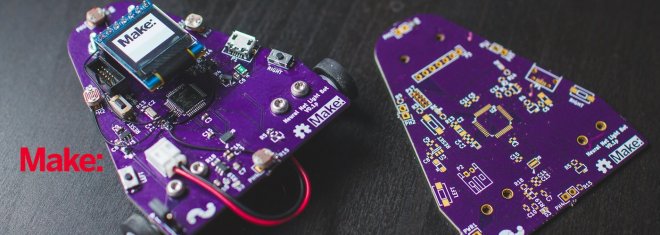
Sean Hodgins created an Arduino-based robot that avoids light by navigating using a neural network:
4863551509384902904
This project is meant to teach about utilizing neural networks in robotic platforms. There will be a 3 part video series on the Make YouTube channel on building the robot. It will start with prototyping and design, then move onto assembly and testing, and finally programming and running the neural network. You will be able to follow along and make your own robot in the end.

Part 2: Soldering and Assembly


Arduino Neural Network Robot