There comes a time in every electronic designer’s life when, whether they know it or not, they need an analog filter in their design. If you’re coming from a digital background, where everything is nice and numeric, the harsh reality of continuous voltages can be a bit of a shock. But if you’re taking input…
Author: fustini
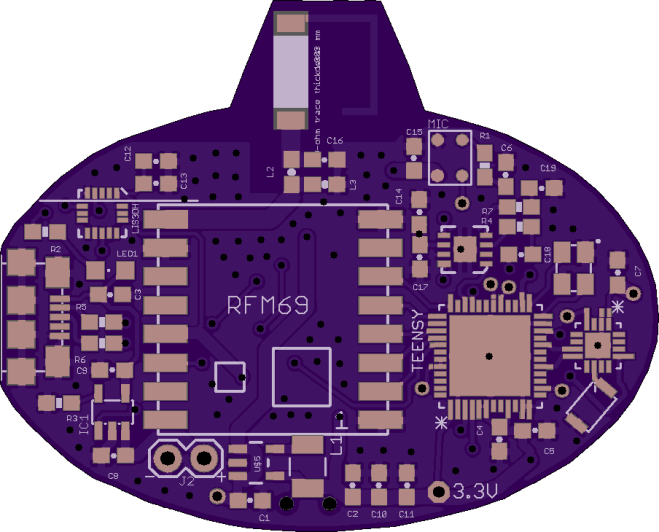
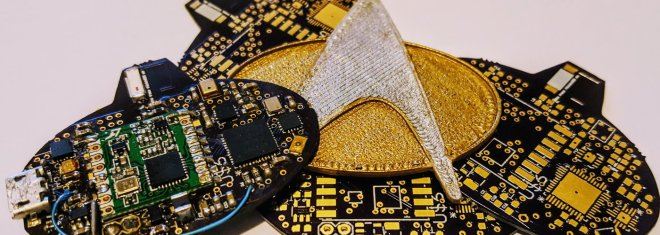
Star Trek Communicator Badge
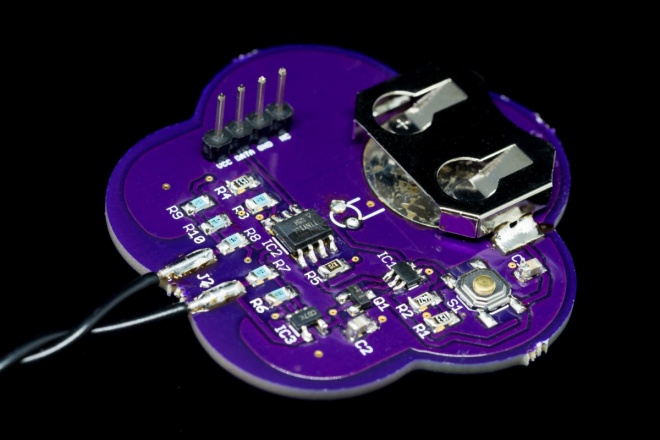
Joe Crop is a creating a real life version of this famous sci-fi device:
Star Trek Communicator Badge
In the true spirit of Star Trek, this communicator badge is completely autonomous, while fitting in the form factor of an original badge
Star Trek was known for dreaming up technology that was deemed nearly impossible given the limitations of the technology for the day. Having a small badge that could send audio across vast distances seemed out of the realm of possibility during the late 1980’s. This project’s aim is to use modern technology to provide nearly all the features of visionary tech, namely:
– Tap to connect and communicate instantly
– Long range (from orbit to planet surface)
– Small form factor (of an original TNG badge)
– Fully autonomous (no cell phone or base station needed)
– No external power source (i.e. battery powered)
joecrop has shared the board on OSH Park:
Star Trek Communicator v2p1
Smaller version of GameBoy Zero
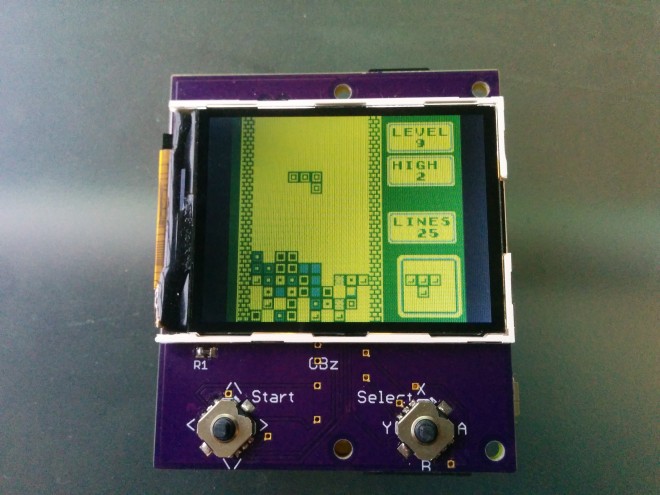
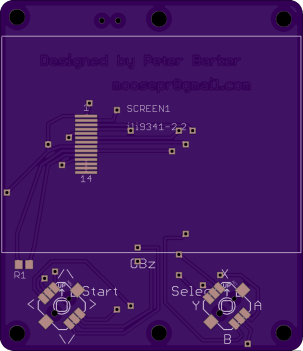
moosepr designed this small and simple GameBoy-style device using the Raspberry Pi Zero:
GameBoy Zero, but smaller!
I’m not overly fond of ‘rats nest’ wires, and I have a bit of an obsession with making things as small as possible, so this is what I came up with.
Tis just an ILI9341 screen, a Pi Zero, 2 navi switches (5 way), and a battery (with charge/protect circuit)
GBz
Here the board is in action:
How does solder work anyways?
I’ve been soldering for a long time, and I take pride in my abilities. I won’t say that I’m the best solder-slinger around, but I’m pretty good at this essential shop skill — at least for through-hole and “traditional” soldering; I haven’t had much practice at SMD stuff yet. I’m confident that I could make a…
Raspberry Pi Zero W desk clock
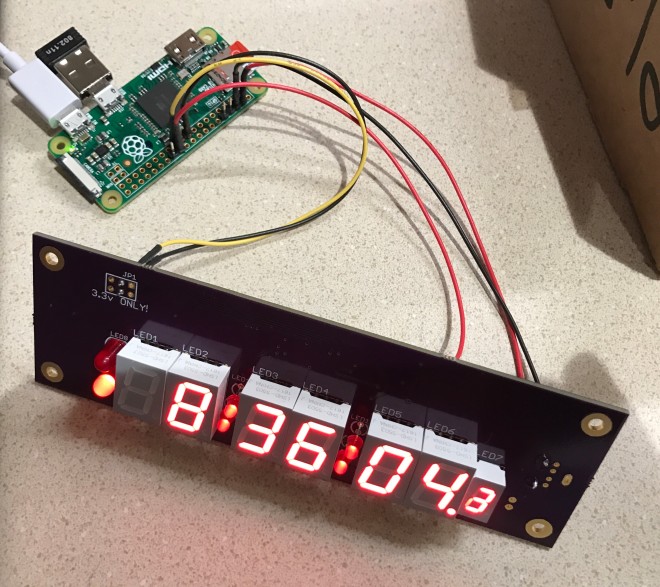
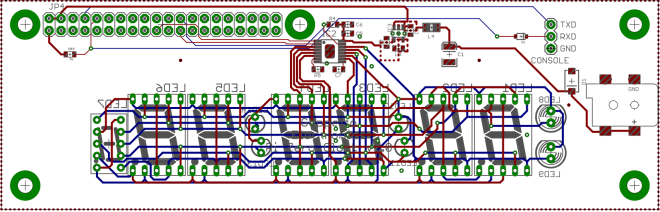
Nick Sayer created a LED desk clock driven by NTP on a Raspberry Pi Zero W:
Raspberry Pi Zero W desk clock
When I was in college, I bought and built a Heathkit GC-1000 WWV clock. Since then, I’ve been somewhat interested in accurate time measurement. I recently designed a GPS driven clock, but sometimes your local WiFi reception is better than GPS (say, indoors). For those circumstances, a clock that gets time from NTP over WiFi would be preferable. The newly released Raspberry Pi Zero W makes this quite a bit simpler to achieve
Midwest RepRap Fest in 2 weeks
Every year, sometime in March, the world’s preeminent 3D printing enthusiasts gather in the middle of nowhere This is MRRF, the Midwest RepRap Festival. It’s only two weeks away. You need to come. Get your (free) tickets here. I’ll be there, and Hackaday is proud to once again sponsor the festival. I need to backtrack a…
via Two Weeks Until The Greatest 3D Printer Meetup On The Planet — Hackaday
How to Design a Cheap Plant Watering Sensor
This is the third part of the meta-tutorial, where I talk about designing a cheap plant watering sensor. If you did not already read the first and second part, please do it now. These parts contain a lot information which lead to this point of the tutorial. The second part ended with step 14, designing a first prototype PCB.
via How to Design a Cheap Plant Watering Sensor (Part 3) — Lucky Resistor
Chicago to Host Hackaday Unconference
We’re excited to announce that Chicago will play host to the Hackaday Unconference on March 18th. We are happy to expand our unconference plans to include this event at Pumping Station One from 1-8pm on 3/18. Astute readers will notice that this is the second location we have announced this week.
Prototype of USB DAC + Headphone Amp
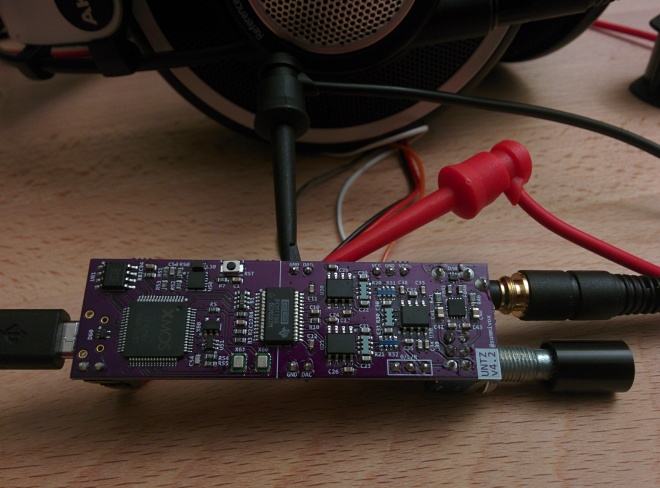
News from the USB DAC + Headphone Amp project by Yin Zhong (summivox):
First Complete Prototype
In the interim update post I posted the plan for integration into 2 boards: A 2-layer power board, and a 4-layer main board. Actually I have had a good copy of the main board for quite a while: Story for the power board is not as good though. In the beginning I screwed up on […]
New OSHWA forum powered by Discourse
writes on the Open Source Hardware Association (OSHWA) blog:
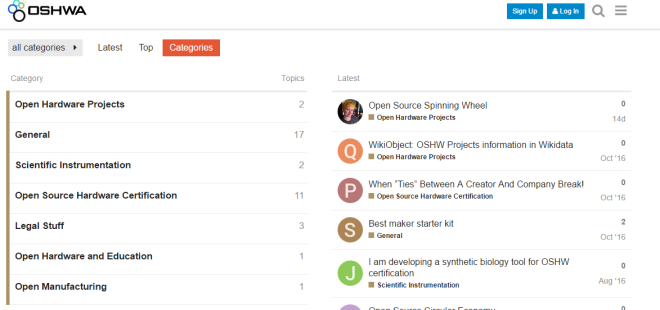
The OSHWA Forums: Now Powered by Discourse
We are very pleased to announce that our new community forums are up and running. The discussion forums are powered by Discourse, which is easy to use, easy to maintain, and open source.
Among other new features, Discourse offers the ability to follow and reply to topics via email. This was one of the biggest reasons we decided to migrate our forums from their old home on bbPress. We’re hoping this will breathe some life into what has otherwise been an admittedly dormant part of the site.