In general, the cost of electronic components and the tools used to fiddle with them have been dropping steadily over the last decade or so. But there will always be bargain-hunting hackers who are looking to get things even cheaper. Case in point, hot air rework stations. You can pick up one of the common 858D stations for as little as $40 USD, but that didn’t keep [MakerBR] from creating an Arduino controller that can be used with its spare handles.
Now to be fair, it doesn’t sound like price was the only factor here. After all, a spare 858D handle costs about half as much as the whole station, so there’s not a lot of room for improvement cost-wise. Rather, [MakerBR] says the Arduino version is designed to be more efficient and reliable than the stock hardware.
The seven wires in the handle connector have already been mapped out by previous efforts, though [MakerBR] does go over the need to verify everything matches the provided circuit diagrams as some vendors might have fiddled with the pinout. All the real magic happens in the handle itself, the controller just needs to keep an eye on the various sensors and provide the fan and heating element with appropriate control signals. An Arduino Pro Mini is more than up to the task, and a custom PCB makes for a fairly neat installation.
Availability: Depending on availability, this product might take longer than usual to ship. (Up to three weeks).
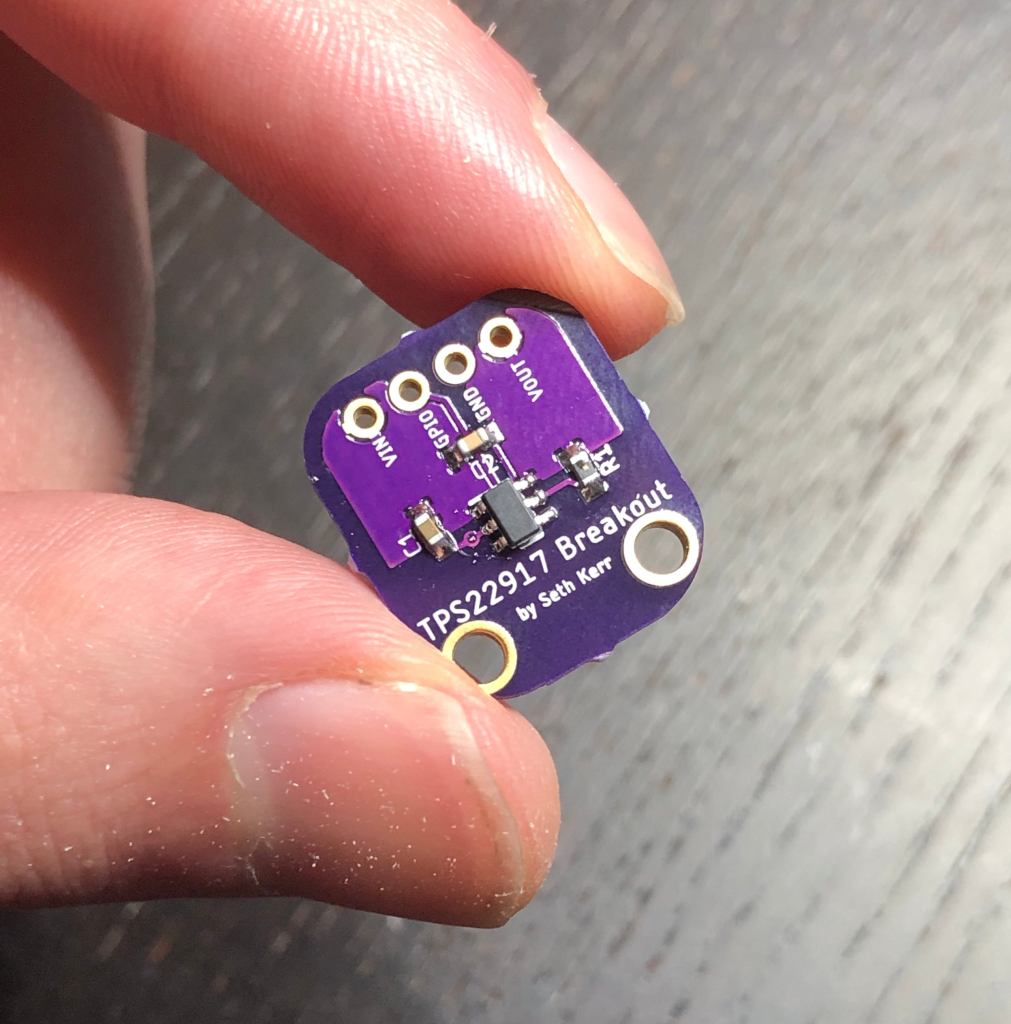
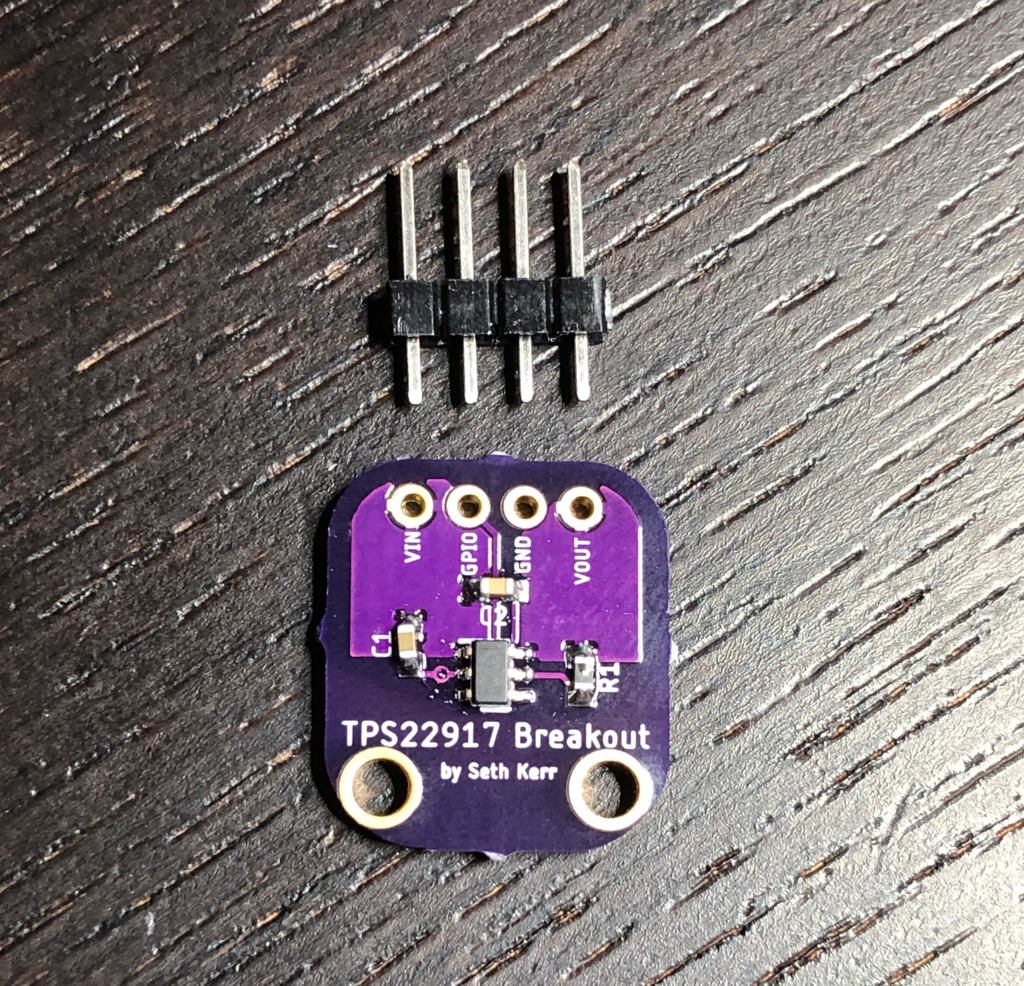
Easily turn your project into a lower power system with the TPS22917 power switch and load driver from Texas Instruments, delivered on an easy to use breakout.
This breakout enables you to easily create a GPIO controlled load switch to ensure you power components when you need them.
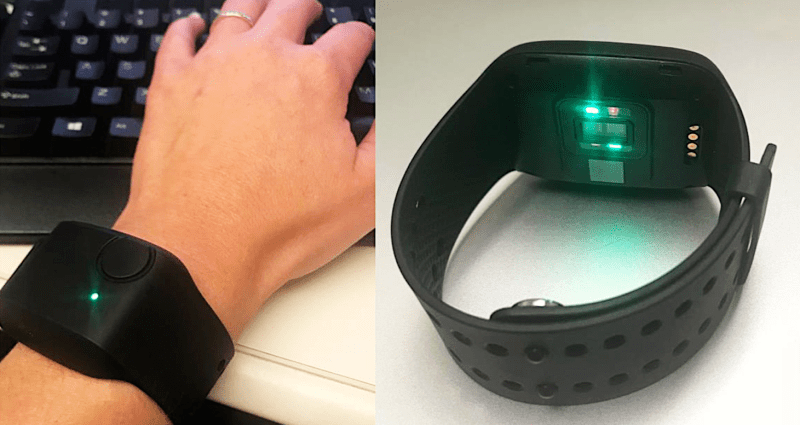
With wearables still trying to solidify themselves in the consumer health space, there are a number of factors to consider to improve the reliability of such devices in monitoring biometrics. One of the most critical such parameters is the sampling rate. By careful selection of this figure, developers can minimize errors in the measurement, preserve power, and reduce costs spent on data storage. For this reason, [Brinnae Bent] and [Dr. Jessilyn Dunn] wanted to determine the optimal sampling rate for wrist-worn optical heart rate monitors. We’ve shared their earlier paper on analyzing the accuracy of consumer health devices, so they’ve done a lot of work in this space.
The results of their paper probably don’t surprise anyone. The lower the sampling rate, the lower the accuracy of the measurement, and the higher the sampling rate the more accurate the measurement when compared to the gold standard electrocardiogram. They also found that metrics such as root mean square of successive differences (RMSSD), used for calculating heart rate variability, requires sampling rates greater than 64 Hz, the nominal sampling rate of the wearable they were investigating and of other similar devices. That might suggest why your wearable is a bit iffy when monitoring your sleeping habits. They even released the source code for their heart rate variability analysis, so there’s a nice afternoon read if you were looking for one.
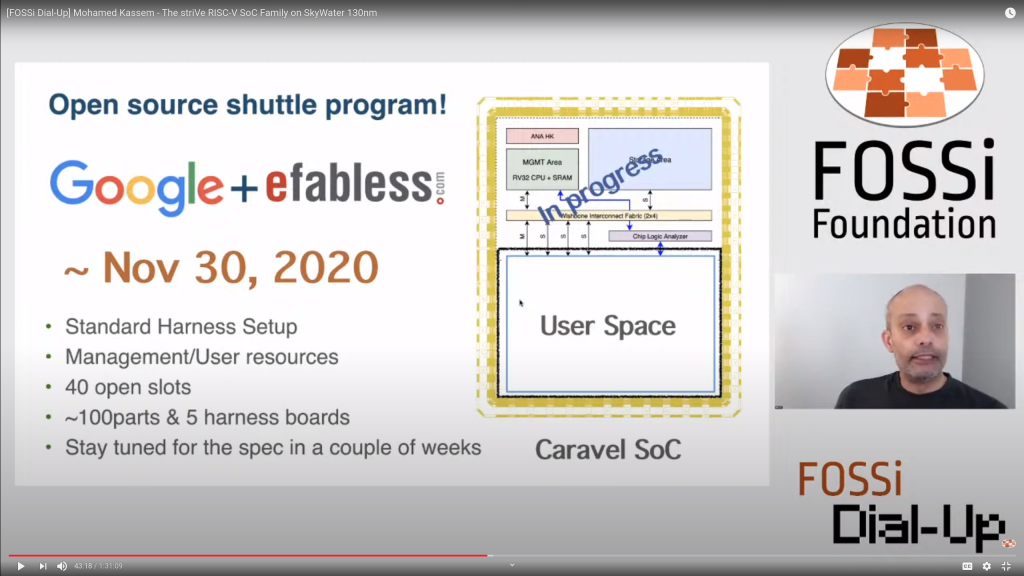
For the first time in the history of the semiconductor industry it is possible to design, verify, manufacture Systems-on-Chip (SoC)’s that have been completely developed using an open source process technology, open source IP and open source design automation environment.
In a collaborative effort with Google and SkyWater, efabless’ team has designed and implemented the striVe SoC family using SkyWater’s SKY130 130nm process, efabless’ OpenLANE RTL2GDS no-human-in-the-loop SoC compiler and several key FOSS components including standard cell and IO libraries from SkyWater and OSU, Dual port SRAM created using OpenRAM, PicoRV32 RISC-V CPU and future versions that will include open source eFPGA blocks – all of them are available under the Apache 2.0 license.
Mohamed will present the striVe open source SoC family with its 6 configurations which will be publicly released to the design community as concrete designs currently on their way to manufacturing. Being truly FOSS and foundry-enabled, the striVe SoC family will serve as physical demonstrators and be the seed for countless community-defined and designed SoC’s stretching the limits of innovation and to serve select commercial markets.SHOW LESS
I’ve been playing a lot of animal crossing and as anyone that’s played it its quite rare to get a meteor shower, to wish upon a star you need to press A when you see one without anything in your hand. This got me thinking about setting up a servo to physically press the button but then I had a better idea. Join me below to see what is was
OSHdata is an independent project that launched in 2020, starting by taking a look back and generating a static report about the state of the Open Source Hardware (OSH) ahead of the 10th Annual Open Hardware Summit in March 2020. OSHdata’s findings are for the community. For the founders, engineers, developers, artists, customers, suppliers, and all the other stakeholders who make this community what it is.
This report is authored by Harris Kenny and Steven Abadie, two members of the Open Source Hardware community who have contributed to the certification of dozens of products over the past five years. Today, we proudly work with OSH companies in our businesses. Combined, we have helped sell tens of thousands of Open Source Hardware products for tens of millions of dollars. We are passionate about this community and we are creating this report to help grow it.
We envision five different use cases for this report (in alphabetical order):
Certified a product
Considering certifying
OSH customer
Researcher/Press
Supplier/Reseller
Based on the people who have expressed interest in OSHdata so far by signing up for the newsletter or following @OSHdata on Twitter, we have seen an even distribution across all five groups. Some of the largest businesses in the OSH community have raised their hands to express interest in this project. Remember, this report is the beginning of what we hope will be an ongoing resource for the community. Where things go from here depends on you and your feedback.
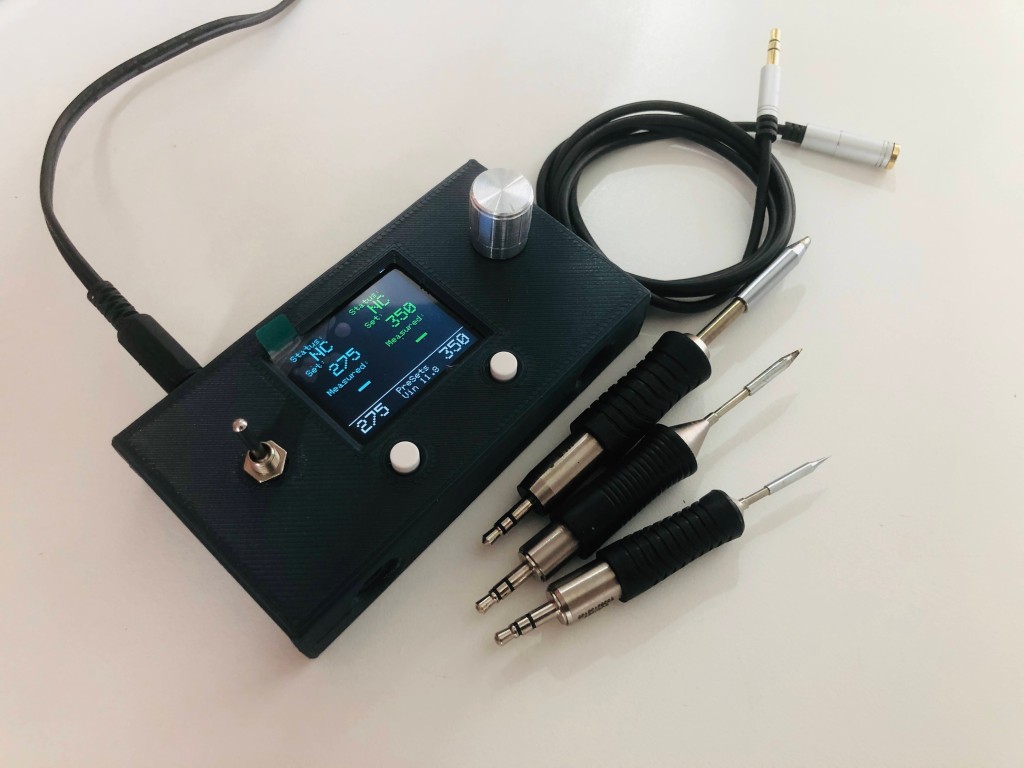
Soldering irons are a personal tool. Some folks need them on the cool side, and some like it hot. Getting it right takes some practice and experience, but when you find a tip and temp that works, you stick with it. [Riccardo Pittini] landed somewhere in the middle with his open-source soldering station, Soldering RT1. When you start it up, it asks what temperature you want, and it heats up. Easy-peasy. When you are ready to get fancy, you can plug in a second iron, run off a car battery, record preset temperatures, limit your duty-cycle, and open a serial connection.
The controller has an Arduino bootloader on a 32u4 processor, so it looks like a ProMicro to your computer. The system works with the RT series of Weller tips, which have a comprehensive lineup. [Riccardo] also recreated SMD tweezers, and you can find everything at his Tindie store.
Soldering has a way of bringing out opinions from novices to masters. If we could interview our younger selves, we’d have a few nuggets of wisdom for those know-it-alls. If ergonomics are your priority, check out TS100 3D-printed cases, which is an excellent iron, in our opinion.
The Hackaday Remoticon achieves something that we just couldn’t do at the Hackaday Superconference: host more workshops that involve more people. Anyone who’s been to Supercon over the past six years can tell you it’s space-limited and, although we do our best to host a handful of workshops each day, those available seats are always in high demand.
We’re sad that we can’t get together in person for Supercon this year, but now we have an opportunity to host more workshops, engaging more live instructors and participants because they will be held virtually. This also means that we can make recordings of them available so that more people can learn from the experience. This is something that we tried way back during the first Supercon with Mike Ossmann’s RF Circuit Design workshop and 140,000 people have watched that video. (By the way, that link is worth clicking just to see Joe Kim’s excellent art.)
Now I’m not saying that your workshop will have a view count into six digits. What I am saying is that you have skills worth sharing, and people are hungry to learn. Since traveling to massive conferences is on pause for a while, spinning up a way to share your experience with others is a superb use of your time.
We need you to submit a workshop proposal! This can take any shape that makes sense for your topic, but here’s the gist of how this might work. Each accepted workshop makes a list of necessary materials and where to get them so that participants can order ahead of time and follow along. Live workshops will be held via video conference, with periods of instruction, work time, and recap that lets participants ask questions and show results as they go.
Wait, wait, wait. Before you click away to the next awesome Hackaday article, don’t assume you have nothing to teach. In fact, do the opposite. Assume you have rare and specialized knowledge on something (because you do!) and seek that out. Then unleash your mind to form a workshop idea around it. Hackaday is filled with weird, wild, and interesting projects, and we always want to see more of them. Share the wealth so that more people begin to walk the path of the hardware hacker
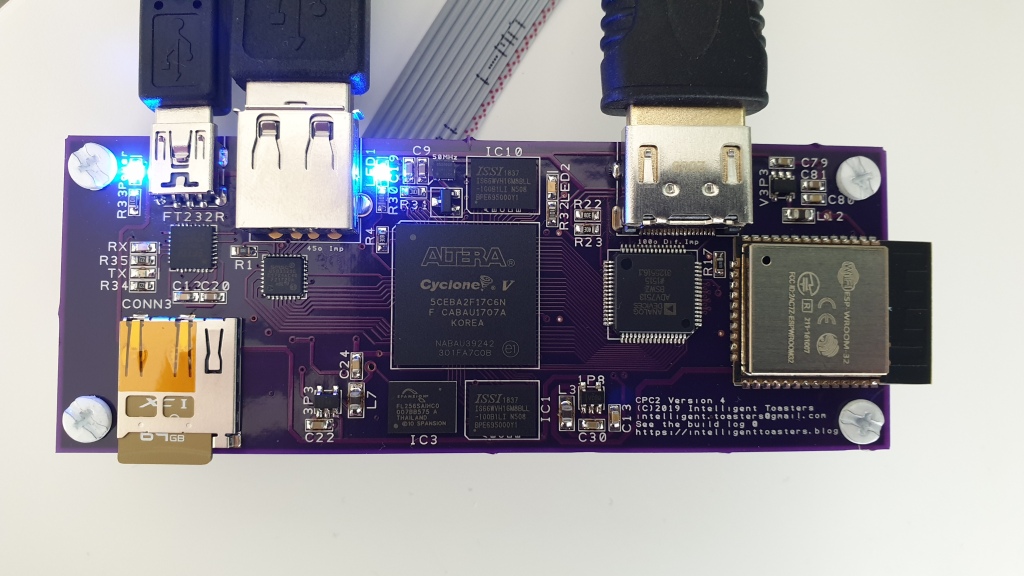
At long last, the final build of the CPC is finished, tested and working!
Initial testing suggests that the main hardware components work and so I’ll need to work on the FPGA core and the supervisor code to complete this project. However, I’m able to use the major components, so I’m confident anything minor can be worked around.
I’ve been looking at 3d printing for the CPC2 case, but this turns out to be far more complex that I expected. I’m looking for a very smooth finish on what will be a small device and that seems not to be straightforward. I also wanted the key colours to be faithful to the original and will involve either full colour printing in delicate materials such as super-glued sand, or painting of the final print. Neither option seems particularly satisfactory. So I’ll let you know how the research goes.
Just so you know where I’m heading, if I can run GetDexter on my CPC2, I’ll consider it substantially completed.






 OSH Park