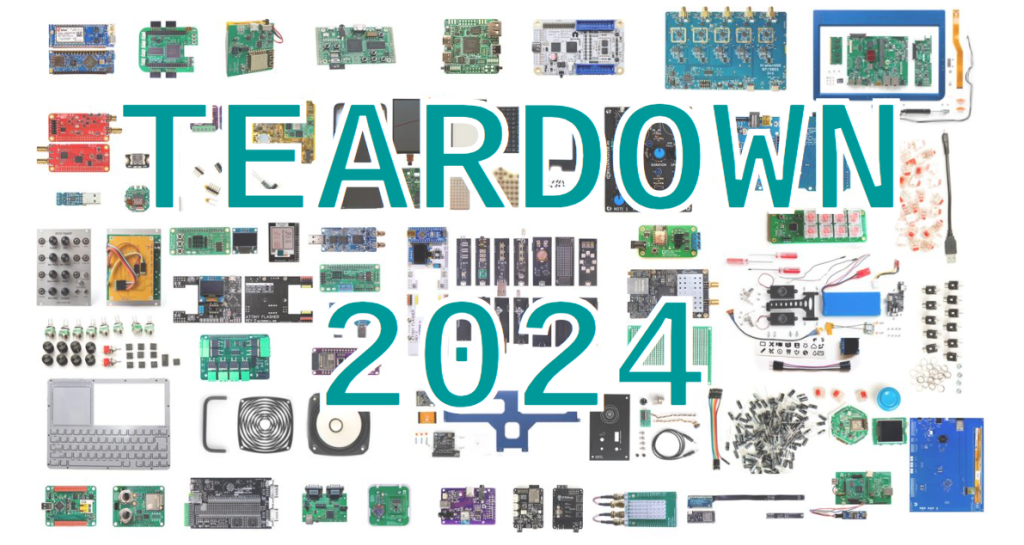
Challenge your soldering skills at Teardown 2024

Ready to test your soldering skills?

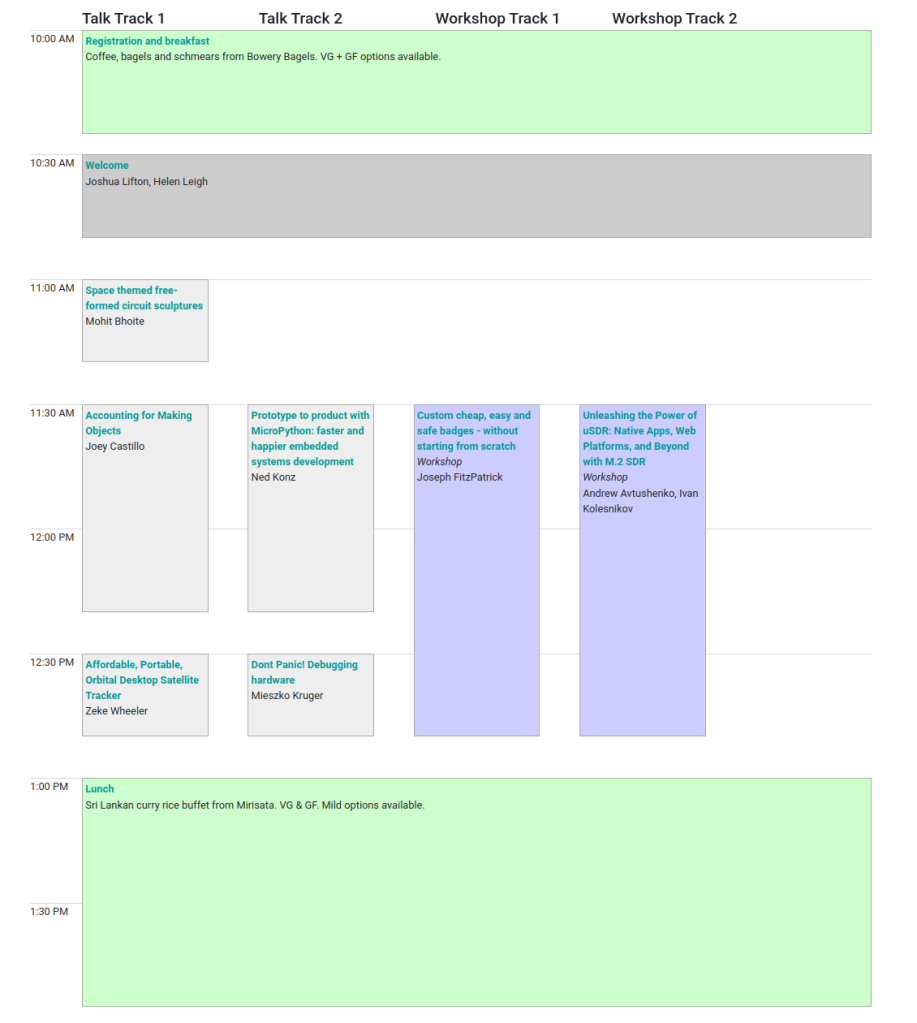
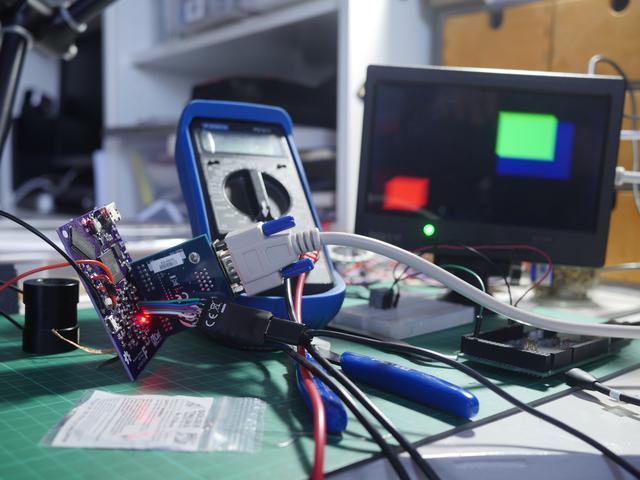
Teardown 2024 begins today in Portland and Darcy has designed and kitted an exciting SMD soldering challenge!
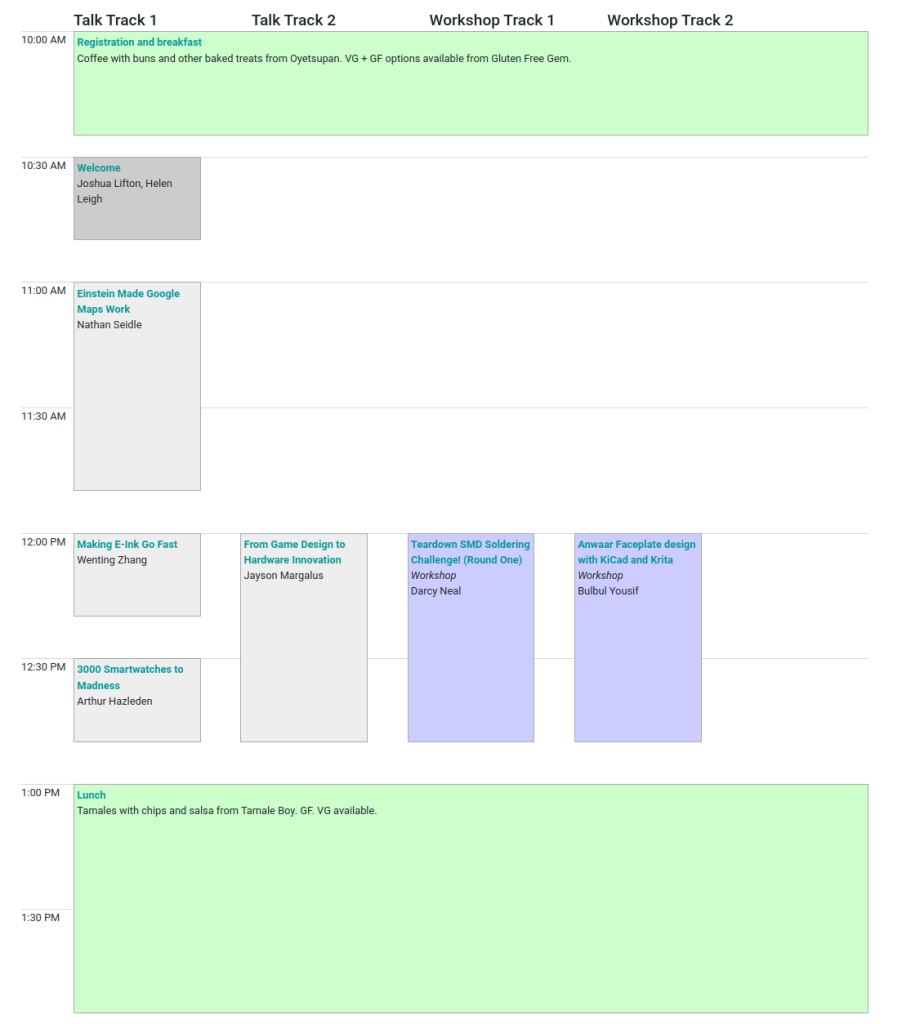
Teardown SMD Soldering Challenge! (Round One)

June 21, 2024 12:00-12:50 PM

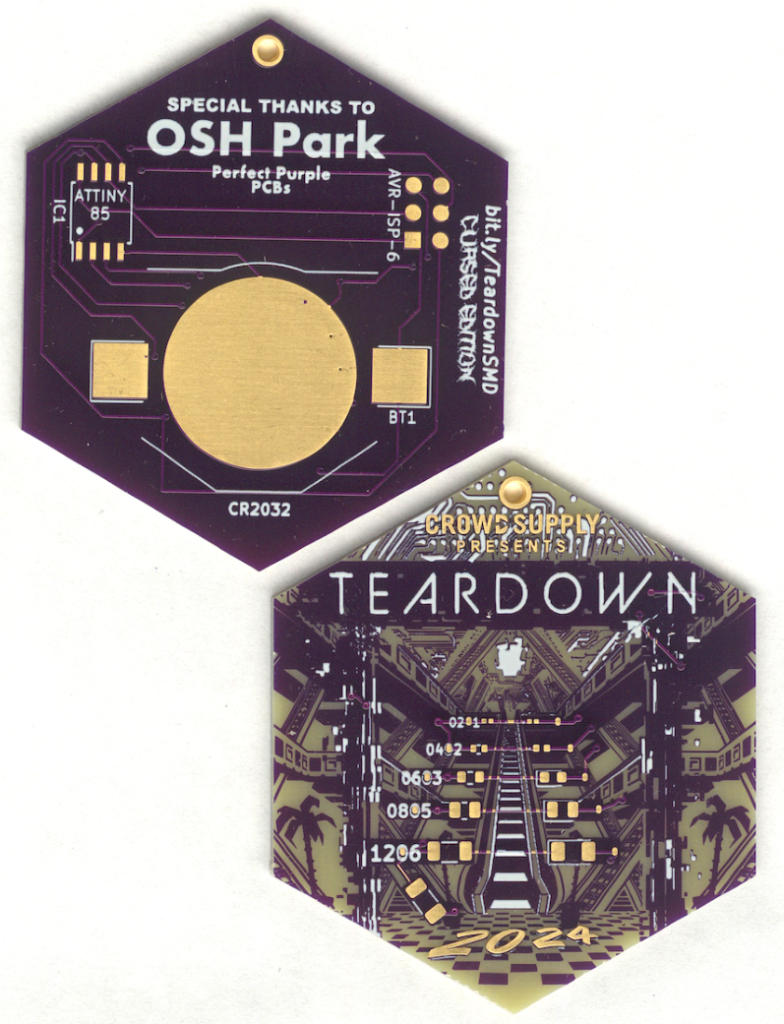
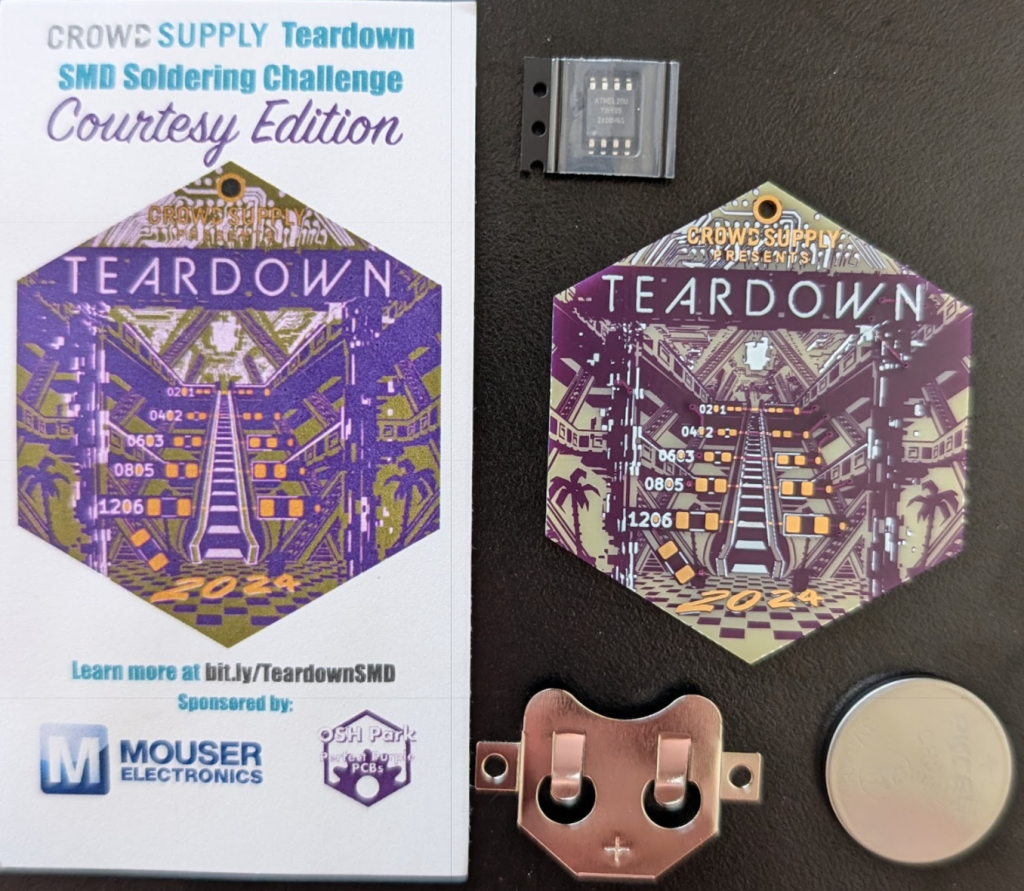
Put your surface mount soldering skills to the ultimate test! Begin with the manageable 1206 package and take on increasingly tiny components, each step pushing your abilities further. This SMD project is powered by a CR2032 coin cell and an Attiny85 SOIC, offering a perfect blend of challenge and excitement. Brace yourself for the ultimate trial: hand soldering a 0201 package, a feat so intricate it will have you questioning your sanity. Are you ready to show off your skills and conquer this soldering adventure?

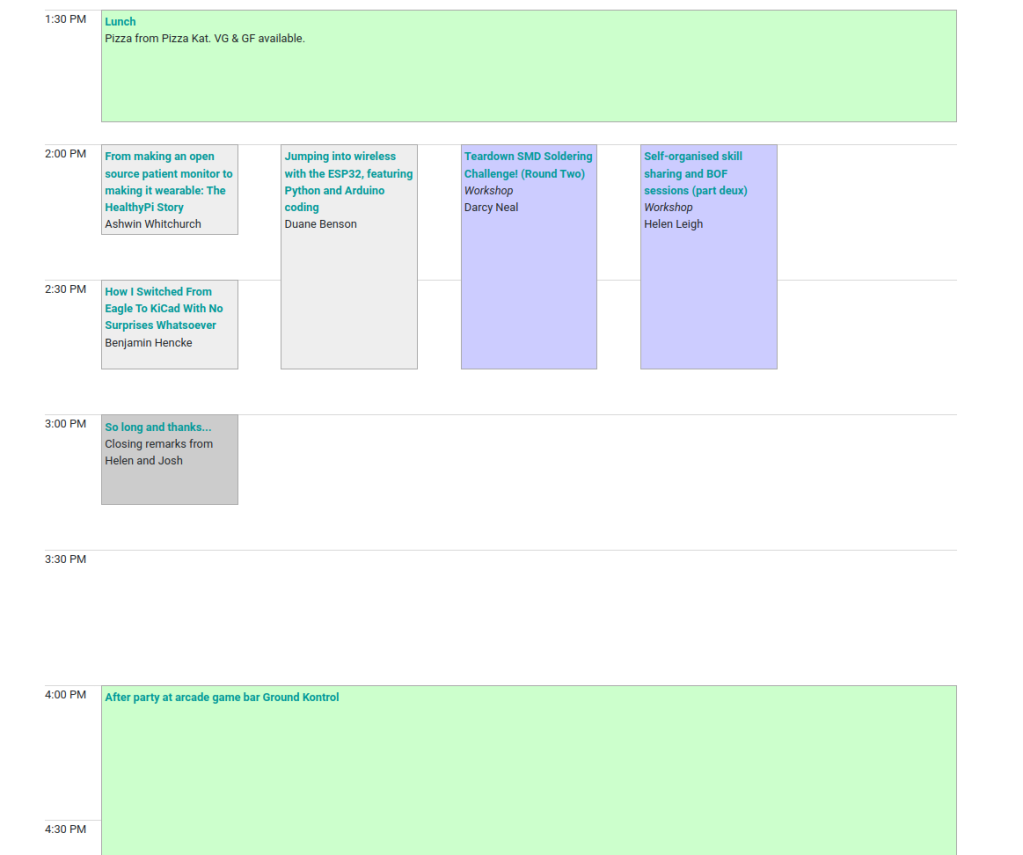
Teardown SMD Soldering Challenge! (Round Two)

June 23, 2024 2:00-2:50 PM

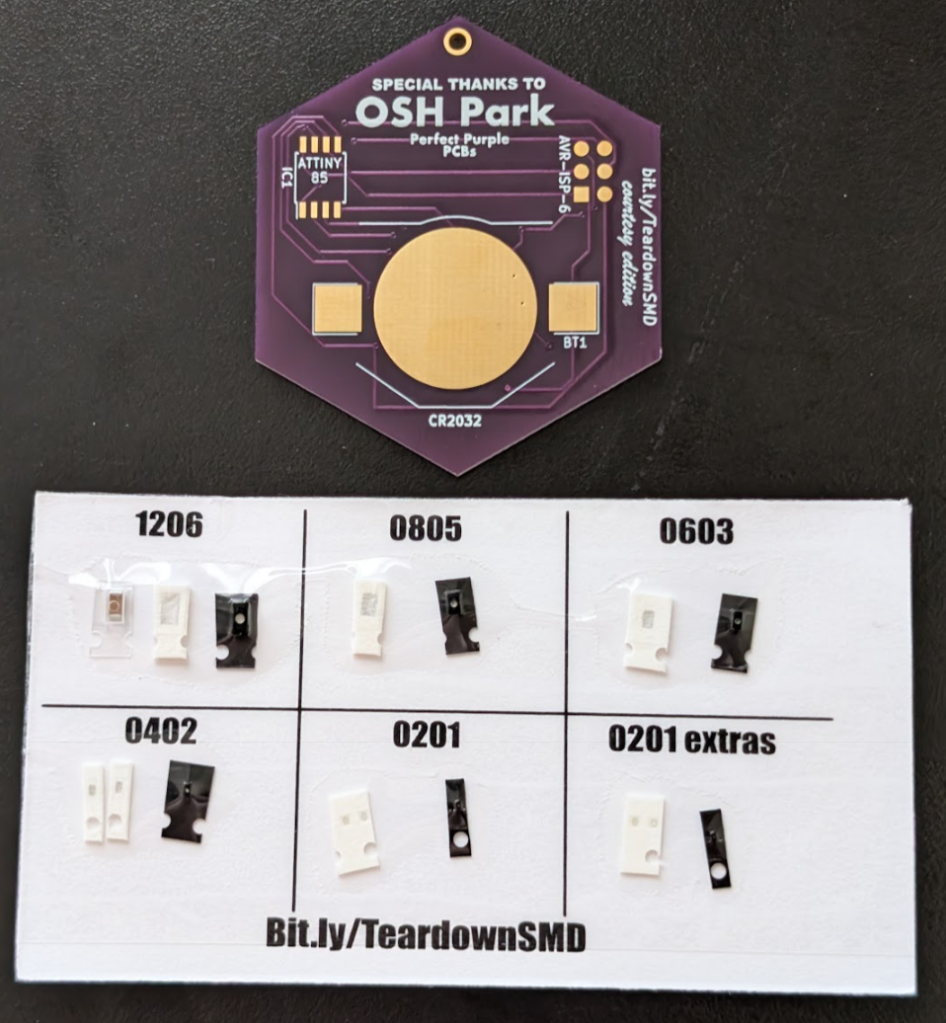
Put your surface mount soldering skills to the ultimate test with this gorgeous Teardown-themed SMD Challenge board! Begin with the manageable 1206 package and take on increasingly tiny components, each step pushing your abilities further. This SMD project is powered by a CR2032 coin cell and an Attiny85 SOIC, offering a perfect blend of challenge and excitement. Brace yourself for the ultimate trial: hand soldering a 0201 package, a feat so intricate it will have you questioning your sanity. Are you ready to show off your skills and conquer this soldering adventure?

This workshop is first come first serve, limited to 20.
Challenge your soldering skills at Teardown 2024

Teardown kicks off Friday in Portland

Interested in hacking, discovering, and sharing hardware?

Teardown 2024 kicks off this Friday:

When?Friday 21st June to Sunday 23rd June 2024
Where?Beautiful Portland, Oregon at Lloyd Center Mall
What?Talks, workshops, installations, demos and space to hack – check out last year’s line up
Who?Anyone interested in hardware: engineers, designers, artists, educators or enthusiasts

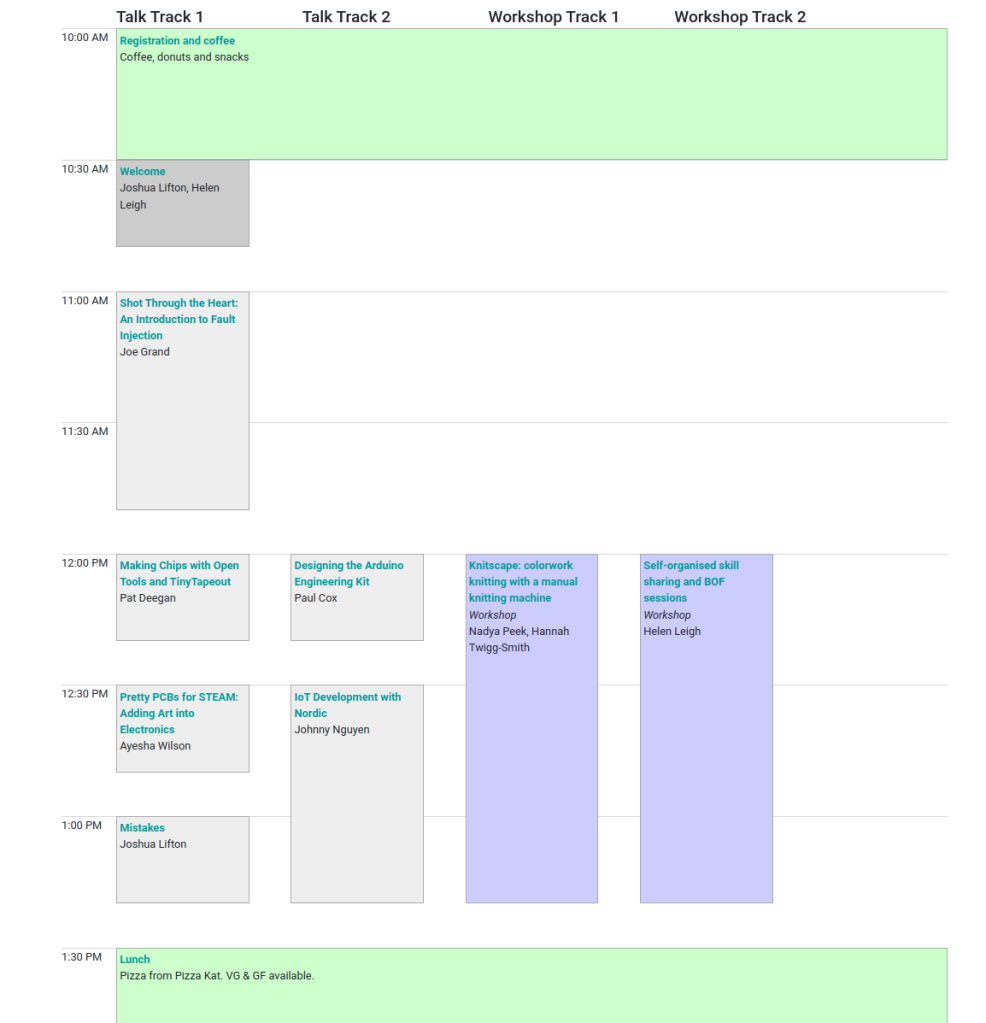
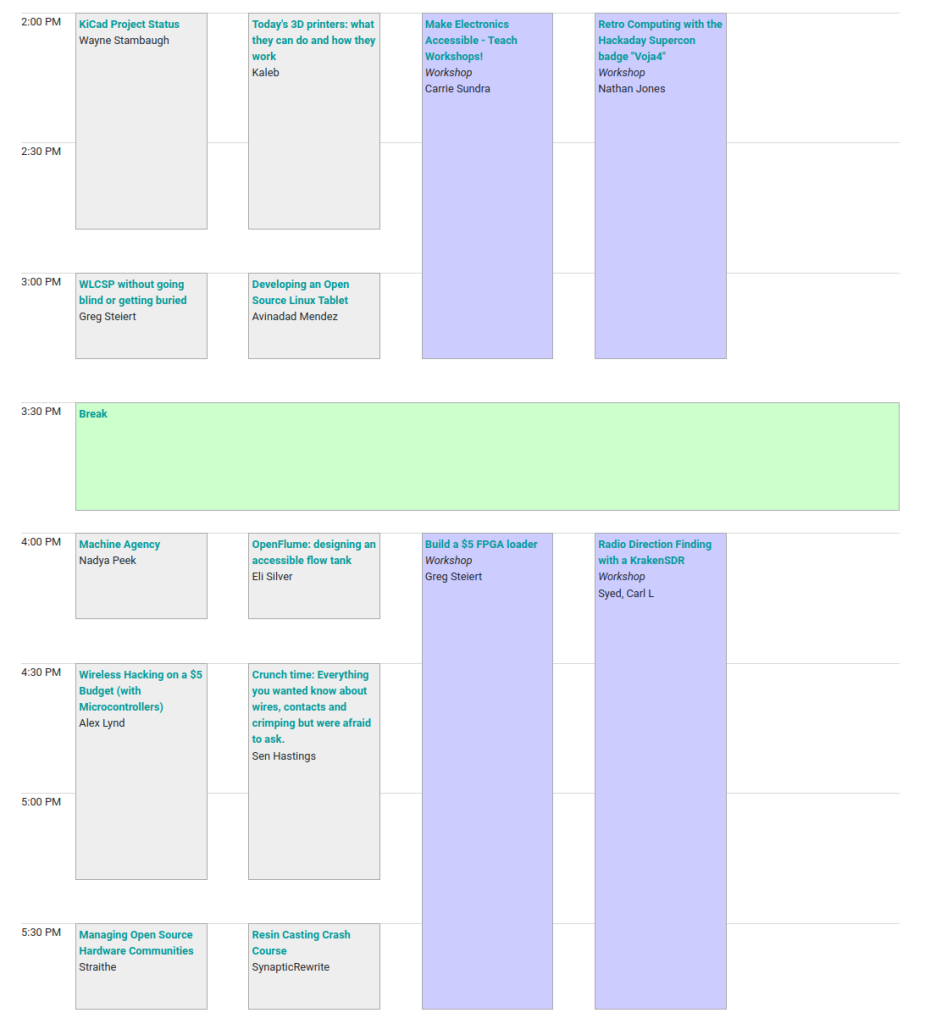
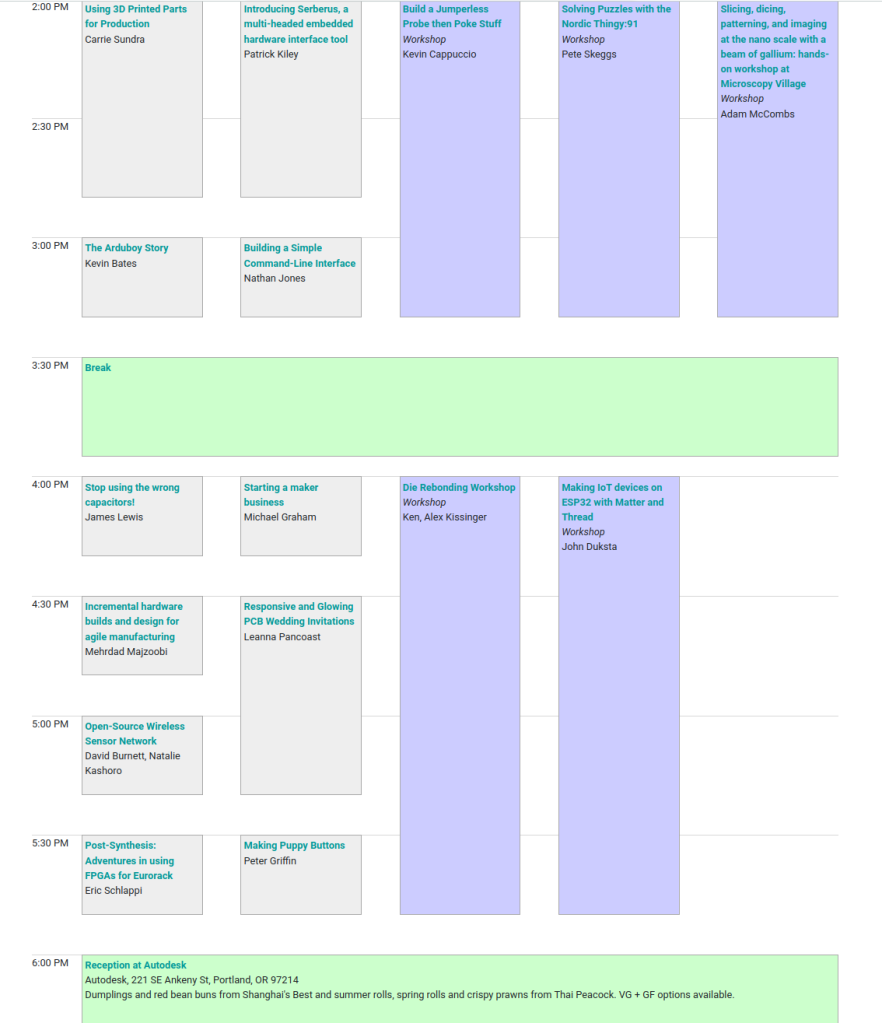
The Teardown 2024 schedule is packed with two tracks of talks and two tracks of workshops. There will will also be dozens of demos and art installations, too.

You can get hands on with a Focused Ion Beam (FIB) microscope and explore the nano world with Adam McCombs in the Microscopy Village on Friday afternoon. We are excited to hear the latest about KiCad from project leader Wayne Stambaugh on Saturday. Hardware hacking legend Joe Grand will kick off Sunday with an introduction introduction to fault injection.

OSH Park is proud to sponsor the Teardown SMD Soldering Challenge:

Put your surface mount soldering skills to the ultimate test! Begin with the manageable 1206 package and take on increasingly tiny components, each step pushing your abilities further. This SMD project is powered by a CR2032 coin cell and an Attiny85 SOIC, offering a perfect blend of challenge and excitement. Brace yourself for the ultimate trial: hand soldering a 0201 package, a feat so intricate it will have you questioning your sanity. Are you ready to show off your skills and conquer this soldering adventure

Ever wonder how to get a bare die running?

OSH Park has also sponsored an exciting Die Rebonding Workshop

  • Learn decapping, x-ray inspection, and how to rebond dies
  • Get your own custom hardware badge
  • Hands on experience
Teardown kicks off Friday in Portland

Building an FPGA board for VGA graphics

From Benjamin Blundell:

Field programmable gate arrays, or FPGAs are wonderful little devices. In a nutshell, they are a whole load of logic blocks, wired together with interconnects. These logic blocks can be wired up however you like, to create simple, or complicated circuits. Anything from a simple XOR gate, to a CPU, to an entire system (if you have enough money to buy the biggest ones). Think of them as a big box of lego bricks that you can combine in any way you want to create any kind of digital circuit.

FPGAs have been used in many applications – emulation of older systems being one. The MiSTer is one such example. Jeri Ellsworth’s C-One is another. But really, FPGAs are found everywhere. They are quick, robust and adaptable to most situations.

My friend Will runs the Project-F website where he investigates all things FPGA. I’ve been helping out by building some boards for us, and this is one of the first. I’d like to show you all how I went about building one of our early prototypes, the triumphs and pitfalls and hopefully inspire folks to give it a go themselves.

Read more…

Building an FPGA board for VGA graphics

uSMD shrinks soldering challenge down to BGA

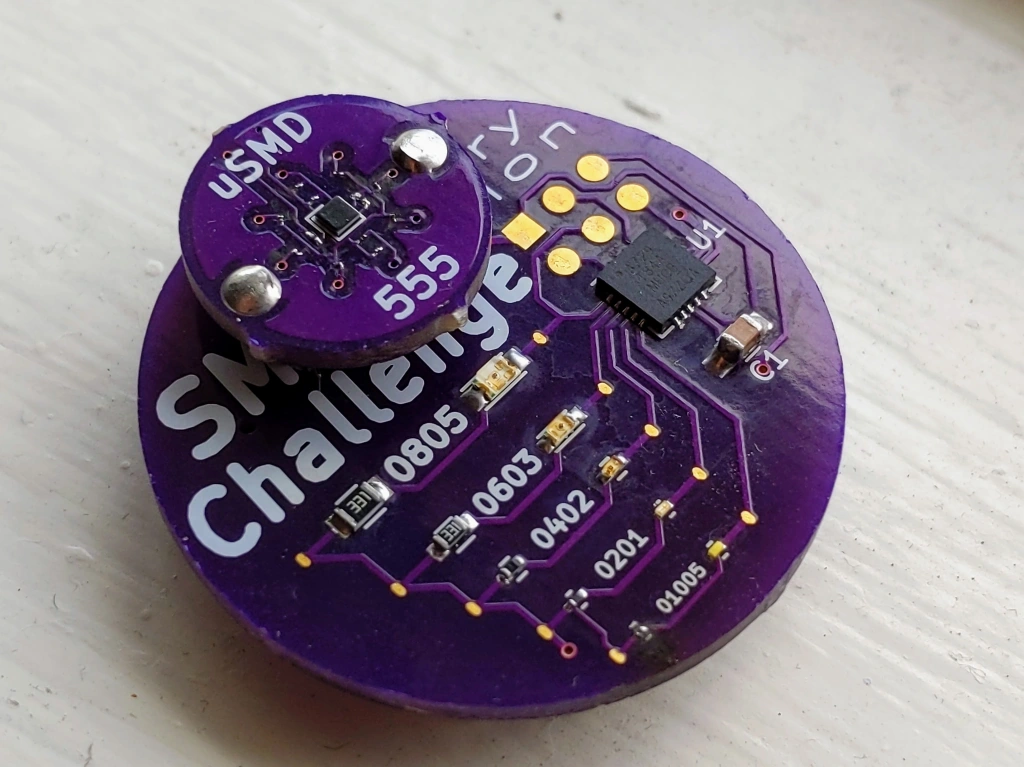
The uSMD designed by Arthur Benemann in KiCad shrinks The Maker’s Box SMD Challenge down to a 555 in 8-UFBGA package and a 008004 cap:

A highlight of last year’s Hackaday Remoticon was a soldering competition that had teams from around the world came together online and did the well-known MakersBox SMD Challenge kit in which a series of LED circuits of decreasing size must be soldered. The Hackaday crew acquitted themselves well, and though an 01005 resistor and LED certainly pushes a writer’s soldering skills to the limit it’s very satisfying to see it working. Lest that kit become too easy, [Arthur Benemann] has come up with something even more fiendish; his uSMD is a 555 LED flasher that uses a BGA 555 and a selection of 008004 small components.

The trick with an 01005 is to heat not the tinned and fluxed solder joint, but the trace leading up to it. If components of that size can be mastered then perhaps an 008004 isn’t that much smaller so maybe the same technique might work for them too. In his tip email to us he wrote “Soldering 008004 isn’t much worse than a 0201, you just need magnification“, and while we think he might be trolling us slightly we can see there’s no reason why it shouldn’t be do-able. Sadly he doesn’t seem to have made it available for us to buy and try so if you want to prove yourself with a soldering iron you’ll have to source the PCBs and parts yourself. Still, we suspect that if you are the type of person who can solder an 008004 then that will hardly be an onerous task for you.

Read more on Hackaday…

uSMD shrinks soldering challenge down to BGA

Learning to Desolder Gracefully

When you’re just learning to sketch, you use graphite. Why? It’s cheap, great at training you to recognize different shades, and most of all, it’s erasable. When you’re learning, you’re going to make mistakes, and un-making them is an important part of the game. Same goes for electronics, of course, so when you’re teaching someone to solder, don’t neglect teaching them to desolder

We could argue all day about the best ways of pressing the molten-metal undo button, but the truth is that it’s horses for courses. I’ve had really good luck with solder braid and maybe a little heat gun to pull up reluctant SOIC surface-mount chips, but nothing beats a solder sucker for clearing out a few through-holes. (I haven’t tried the questionable, but time-tested practice of blasting the joint with compressed air.)

For bulk part removal, all you really have to do is heat the board up, and there’s plenty of ways to do that, ranging from fancy to foolish. Low-temperature alloys help out in really tough cases. And for removing rows of pinheaders, it can help to add more solder along the row until it’s one molten blob, and then tap the PCB and watch the part — and hot liquid metal! — just drop out.

Read more on Hackaday…

Learning to Desolder Gracefully

Fractal Vise Holds Odd-Shaped Objects Tight

Trying to solder an oddly shaped art PCB board? This 3D printed visa could help:

A regular vice is great if you want to clamp rectangular objects, but it can fall down a little with more complex shapes. Inspired by an ancient vise [Chris Borge] whipped up his own 3D-printed fractal clamping tool.

The inspiration for this one comes from the [Hand Tool Rescue] video that shows of the clever mechanism. The vice uses a series of interlocking parts that can freely articulate to grip the object of interest via several protruding fingers. In reproducing the design, [Chris] had some issues initially with the joints, but settling on a dovetail similar to that of the original metal vice which got things working nicely.

Read more on Hackaday…

Fractal Vise Holds Odd-Shaped Objects Tight

BGA Soldering and Inspection — Hackaday

If you want to build cool things these days, you’ve probably had to master surface mount electronics. However, for many people, ball grid array (BGA) is still intimidating. Have a look at [VoltLog’s] video about his techniques for soldering BGA and inspecting that you managed to do it right.

He’s got quite a few tips about things like surface finish and flux selection. It looks easy when he does it. Of course, having a good PCB with good registration markings will help too.

You can’t get a soldering iron under the part, of course. A hot plate provides heat from underneath. A gentle push from a hot air gun will push the solder balls over the melting edge. Even taking the part off the hotplate requires a special technique.

Without seeing the result, how can you know if it was successful? Pros can use an X-ray machine, but you probably don’t have one of those sitting in your shop. [VoltLog] uses a DVM and tests the internal protection diodes that the chip almost certainly has on its pins. However, to do that, you need to put the chip on a bare board. If you were repairing an existing board, the technique wouldn’t be useful since other components on the board would throw the measurements off.

Read more on Hackaday…

BGA Soldering and Inspection — Hackaday

Soldering Kit for Doctor Who Fans

From Ken Olsen of Maker’s Box on Tindie:

Soldering Kit for Doctor Who Fans

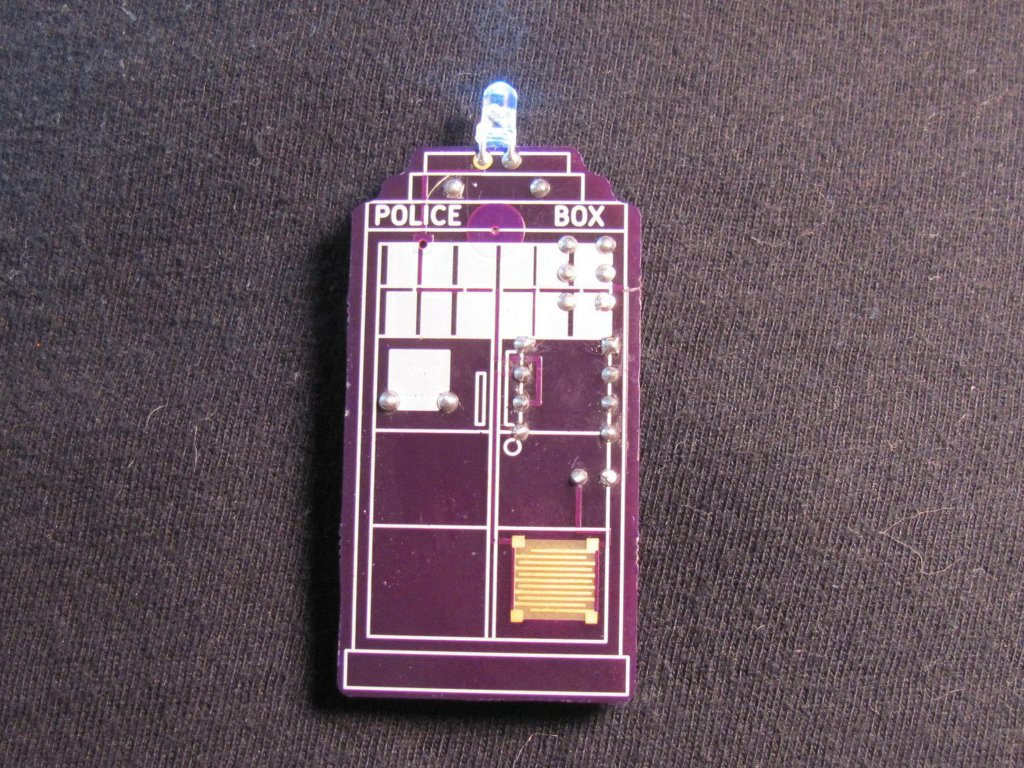
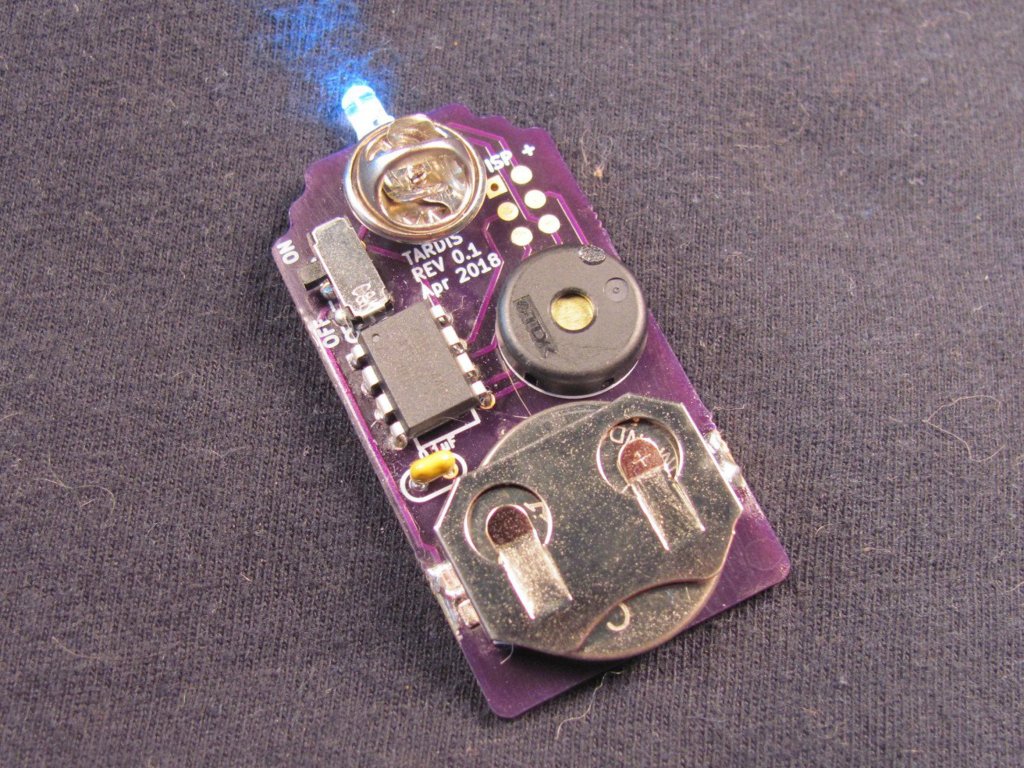
Show off your Doctor Who cred with a DIY badge you can solder yourself. Powered by an Attiny85, lights and sounds like an 8-bit TARDIS. CR2032 Battery not included.

Kit Contains:

Soldering Kit for Doctor Who Fans

Robotics Club Teaches Soldering

From Al Williams on the Hackaday blog:

Robotics Club Teaches Soldering

Oregon State University must be a pretty good place to go to school if you want to hack on robots. Their robotics club, which looks active and impressive, has a multi-part video series on how to solder surface mount components that is worth watching. [Anthony] is the team lead for their Mars Rover team and he does the job with some pretty standard-looking tools.

The soldering station in use is a sub-$100 Aoyue with both a regular iron and hot air. There’s also a cheap USB microscope that looks like it has a screen, but is covered in blue tape to hold it to an optical microscope. So no exotic tools that you’d need a university affiliation to match.

Even if you’ve done a lot of SMD soldering, you can always pick up new tips and tricks. There’s lots of flux, of course, and careful alignment before you secure the component down. We know the feeling of leaving a bad solder joint long enough to go secure the other pads and then cleaning it up at the end.

Robotics Club Teaches Soldering

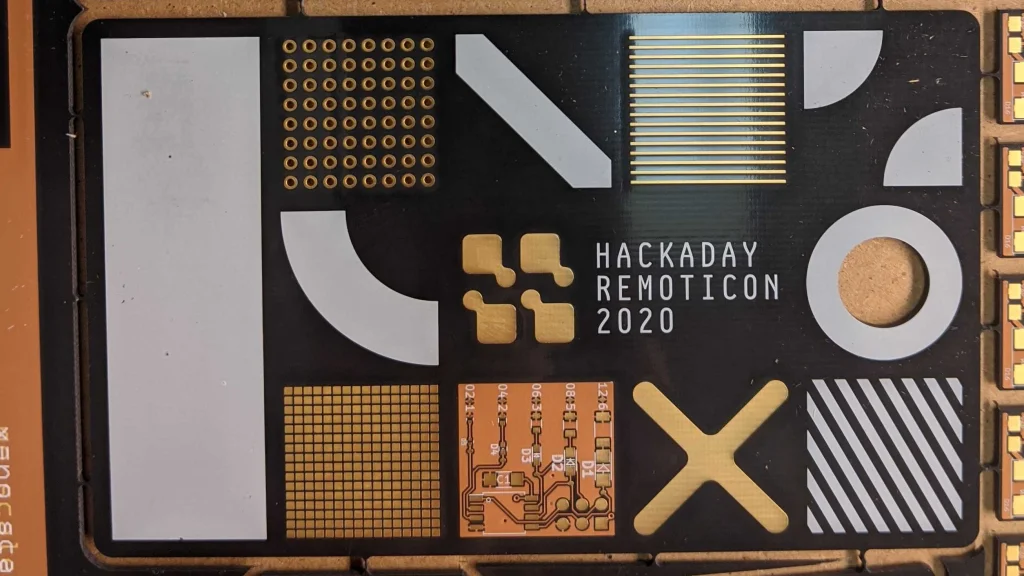
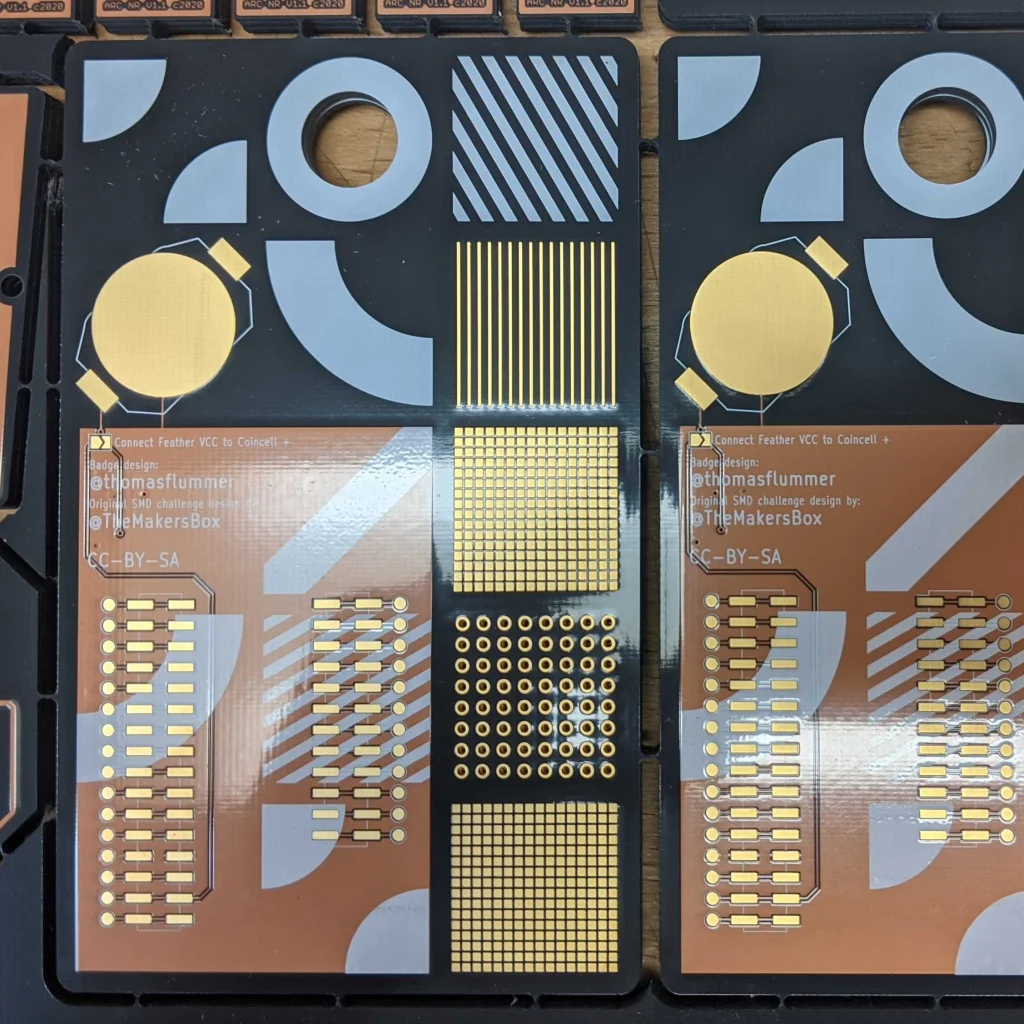
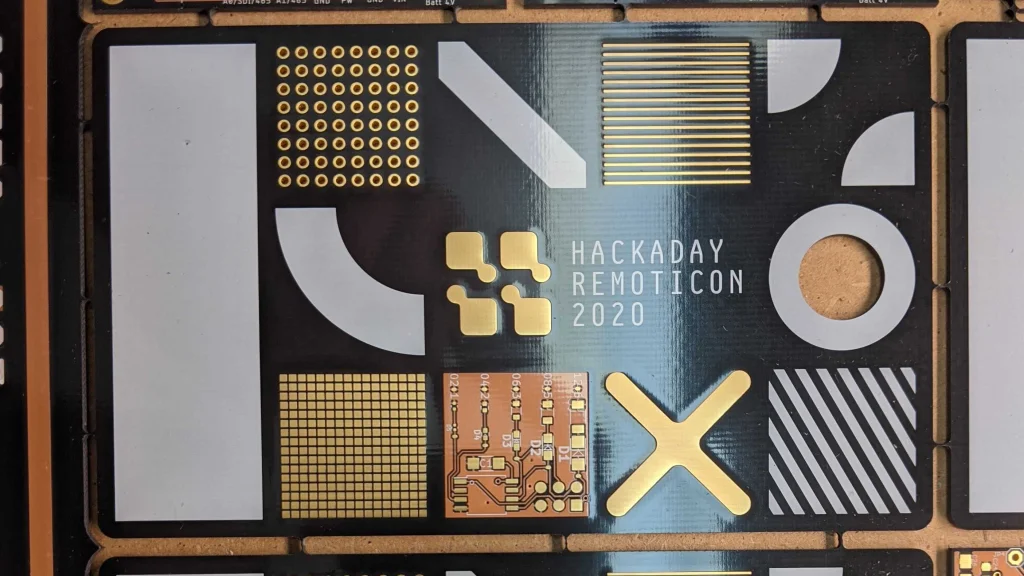
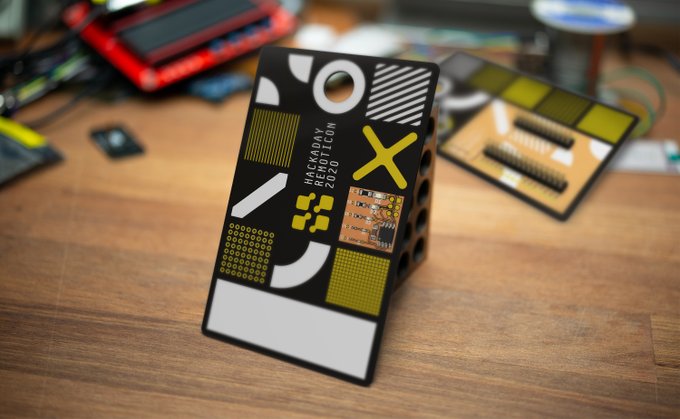
Unofficial Remoticon 2020 badge by Thomas Flummer in “After Dark”

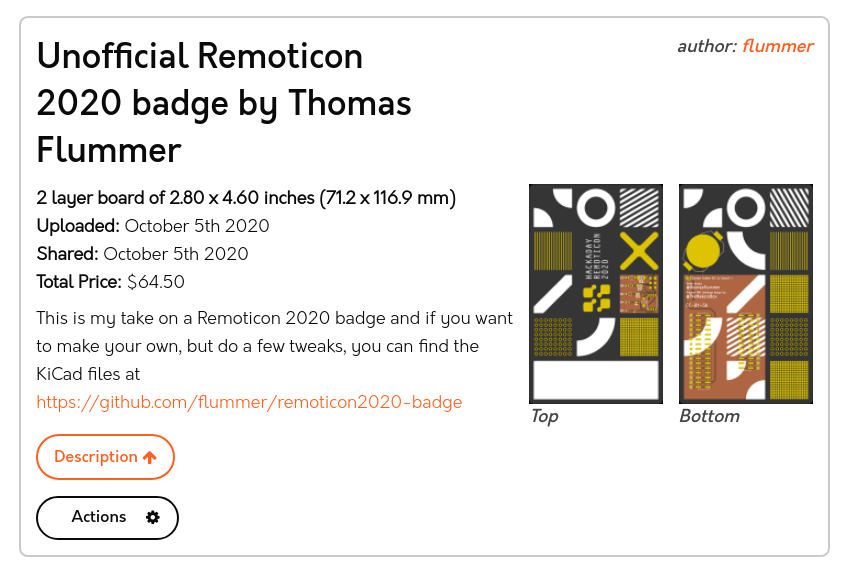
The annual Hackaday Supercon is taking place as Remoticon this year and the talented Thomas Flummer has design a PCB badge based on the SMD challenge that can be further customized in KiCad!

The board can be ordered from the shared project page in “After Dark”:

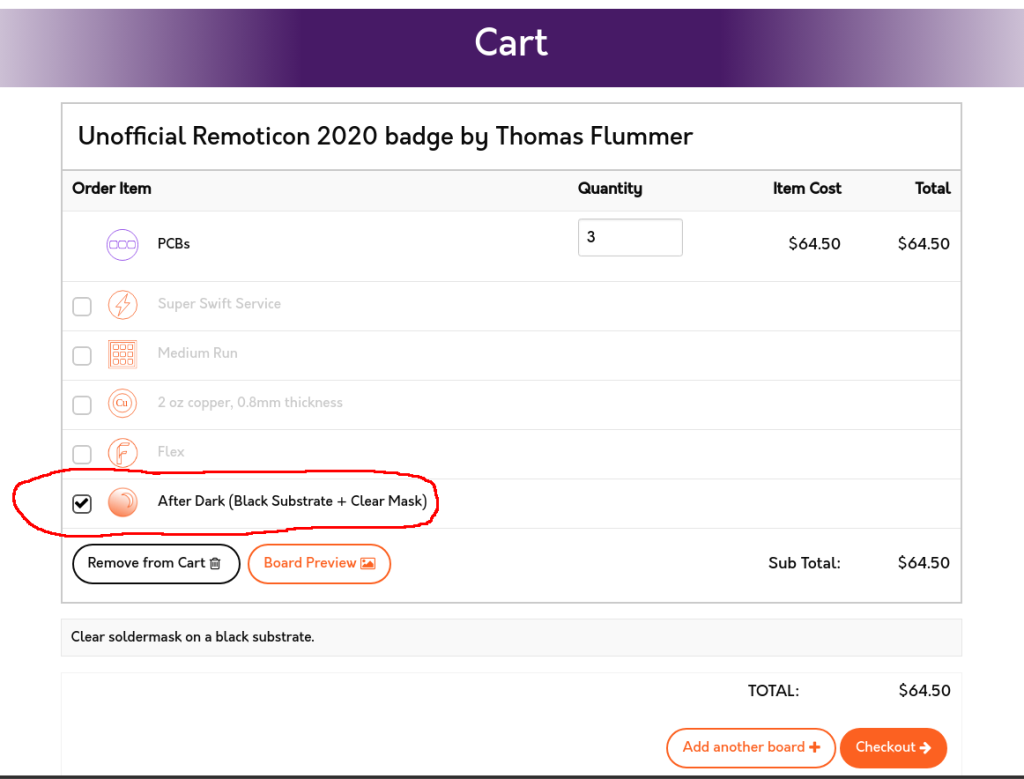
NOTE: make sure to check “After Dark” in the cart

Unofficial Remoticon 2020 badge by Thomas Flummer in “After Dark”