Internet connected gaming chair

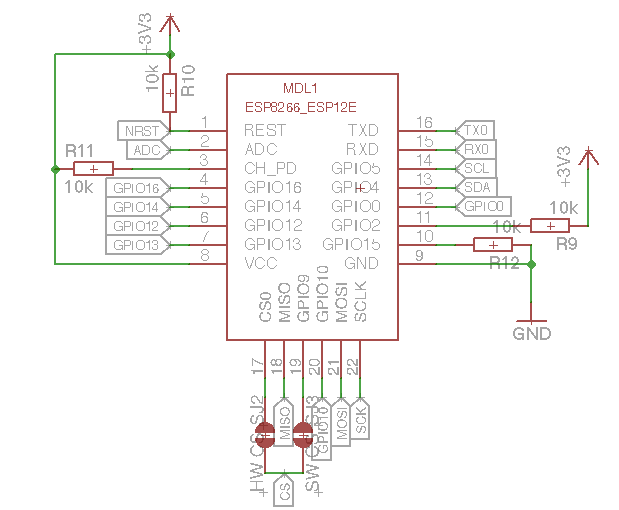
Screenshot from 2016-12-16 22-59-34.png

Internet connected gaming chair (DX racer)

A very fun Internet of things project to control the custom RGB led over the internet from a web-browser or enjoy a nice sound reactive experience. Perfect for a smart home setup as you can easily connect this to any IoT platform or smart home software

Shortcuts:

  • 0:45 – zPulse intro
  • 1:00 – Designing the board in EagleCad
  • 7:45 – Sending the board to a manufactured to get fabricated
  • 8:40 – Applying soldering paste to the Board
  • 11:25 – Baking the board and components
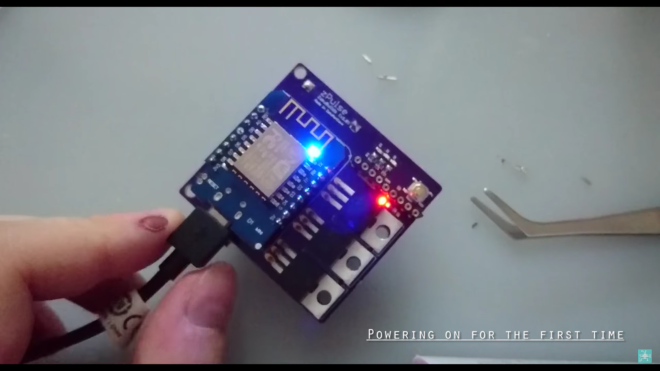
  • 15:27 – Powering on the board for the first time!
Internet connected gaming chair

ESPTool: WiFi Security Swiss Army Knife

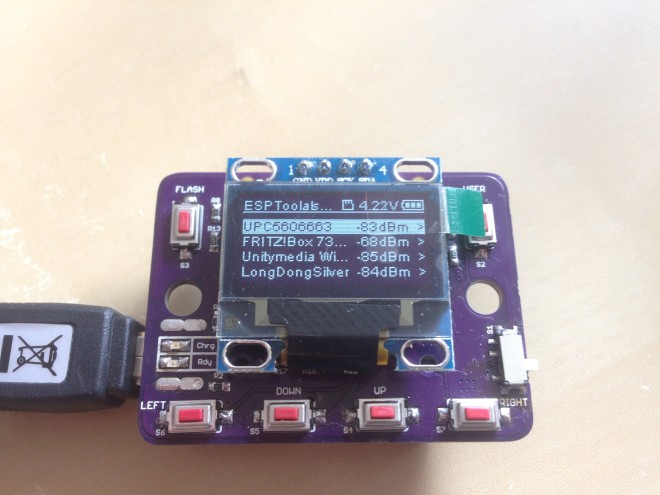
Daniel Grießhaber created this convenient tool to test your WiFi Security against attackers:

1961381469611359811

ESPTool

Demonstrate how easy it is to crack a WiFi Password or jam your WiFi so you can’t access the internet.  Designed for education and self-tests.

ESPTool has the following hardware:

  • SSD1306 based OLED Display, connected via I2C
  • microSD Card Socket connected over the SPI interface
  • 3 general purpose buttons
  • ESP8266-12E Module
  • TPS63031 Buck-/Boost-Converter with an input range from 1.8V – 5.5V
  • MCP73831 Single-Cell LiPo Charger Chip
  • CP2012 USB to UART converter Chip

7768641469614494016

The design files and source code are available on GitHub:

images11dangrie158/ESPTool

ESPTool: WiFi Security Swiss Army Knife

IR receiver and transmitter for Raspberry Pi

pb282032

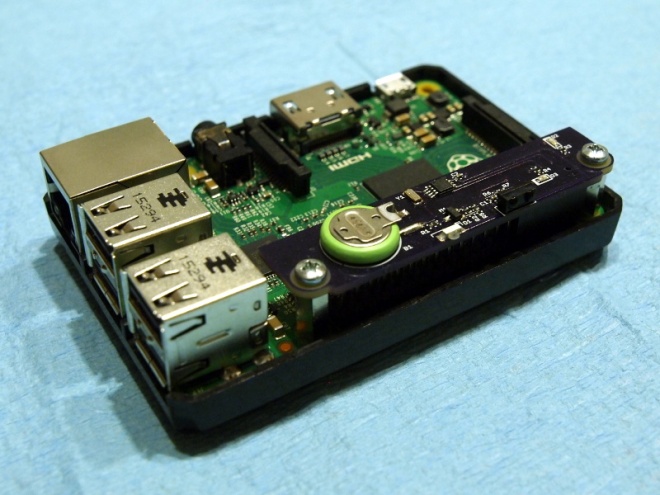
Combo board for the Raspberry Pi with IR receiver and transmitter along with Real-Time Clock and coin cell battery:

Raspberry Pi IR receiver + IR transmitter + RTC

I needed an IR receiver for my Raspberry Pi which I use as an internet TV receiver [..]  Solution: make my own.

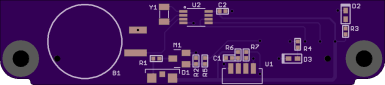
kentauta has shared the board on OSH Park:

Raspberry Pi IR receiver + IR transmitter + RTC

0be720b253ae76e5bbda700bca203161.png
Order from OSH Park

IR receiver and transmitter for Raspberry Pi

Comprehensive Respiratory Health Monitor

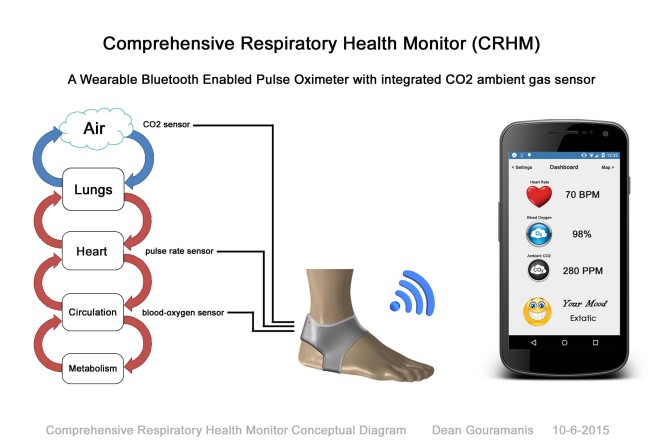
279361444154700437.jpgDean Gouramanis is building a wearable Bluetooth-enabled Arduino Pulse Oximeter:

Comprehensive Respiratory Health Monitor

bluetooth-enabled wearable device can measure Pulse Oximetry, and ambient CO2 24/7

The board is shared on GitHub:

images11 dgouramanis/CRHM

Comprehensive Respiratory Health Monitor

Smart Racer: control RC cars from your smartphone

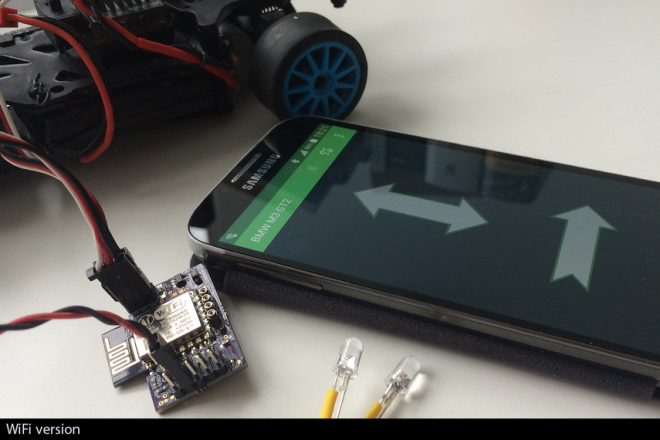
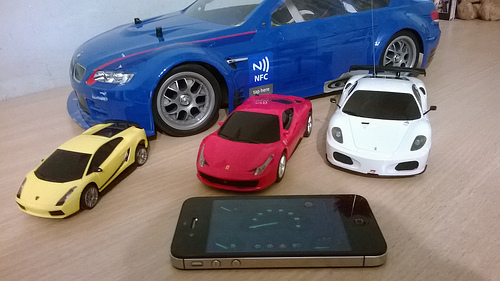
Sarunas designed this RC receiver replacement which uses a smart phone as remote controller via WiFi or Bluetooth:

2016-07-28t21-11-27-047z-img_1499-png-855x570_q85_pad_rcropSmart Racer

Why not control your RC car with smart phone?

Features include:

  • Control RC car from Android phone or iPhone
  • Control RC servo and ESC
  • Control 5 Leds
  • Drive RC car up to 70m away
  • Drives Brushed and Brushless motors
  • Works with 1:10 and 1:18 models
  • Powered directly from ESC power
  • Control using REST API
  • Connection lost cut off

The design files and source code are available on GitHub:

images1 drme/ble-rc

687474703a2f2f6661726d362e737461746963666c69636b722e636f6d2f353534342f31313438363137313435365f396436343233643064362e6a7067

Here’s the Smart Racer in action:

https://www.youtube.com/watch?v=15lxSqhUCRA

Smart Racer: control RC cars from your smartphone

Blue IR: Build your own universal remote

Sarunas built this device to replace a bunch of different remote controls with a smart phone:

2016-07-14T21-50-15.951Z-IMG_1538.png.2560x2560_q85.jpg

Blue IR

Build your own universal remote

Features include:

  • Control TV, HiFi and more from Android, iPhone or Windows Phone.
  • Control devices using NEC, RC5 and SIRC protocols
  • Provides Bluetooth Low Energy service for controlling it from other devices.

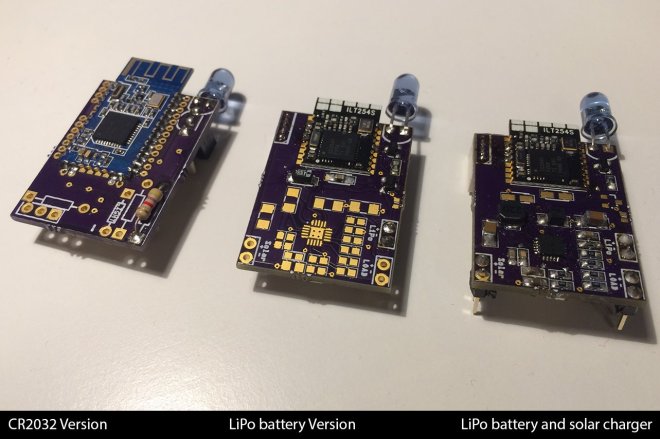
A solar version was also designed to avoid having to change the battery:

Blue IR solar version

Despite that Bluetooth Low Energy device uses so little of it, the battery will eventually run out. To overcome that, the old device was improved by adding a solar charger.

The design files and source code are available on GitHub:

images11 drme/ble-remote


Blue IR: Build your own universal remote

Open Source AIS Transponder

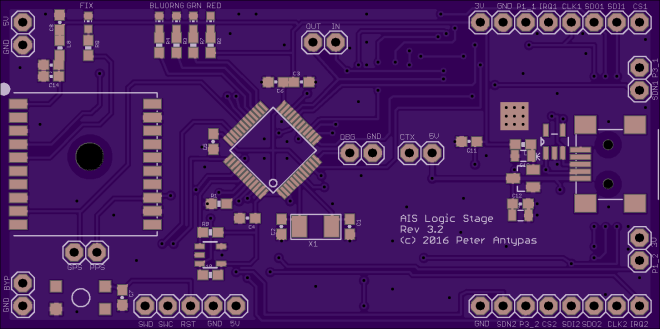
Automatic identification system (AIS) is an automatic tracking system used on ships.  Peter Antypas designed a low-power AIS transponder:

images1 Open Source AIS Transponder (Class B)

This is the first ever (that I’m aware of) attempt at creating an open source AIS transponder

Hardware:

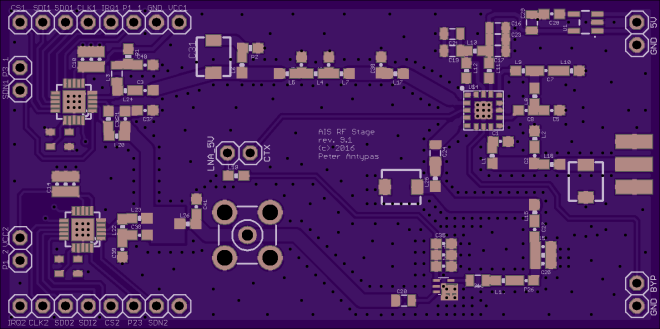
On the hardware side, the design is based on two Silicon Labs 4463 transceiver ICs and an STM32F302CBT6 ARM Cortex M4 microcontroller. One of the SiLabs ICs acts as a transceiver, while the other IC works as a receiver only. In receiver mode, each IC tunes to a different channel. When a transmission is scheduled, the ICs swap channels if the transceiver is not listening on the next transmit channel. This configuration may be construed as a violation of the AIS specification, but it makes for a much simpler PCB layout and negates the need for a 3-position RF switch.

Software:

There are two programs that need to be installed on the flash. The bootloader and the main application.

petera650 has shared the boards on OSH Park:

RF side of AIS transponder

ca352a09ba5377d29ba70351dddbfa66.png

Order from OSH Park

Logic / digital side of AIS transponder

2bd58a52e7605ed408c441ff305a2862.png

Order from OSH Park

Open Source AIS Transponder

HydraESP32: HydraBus and ESP-32S

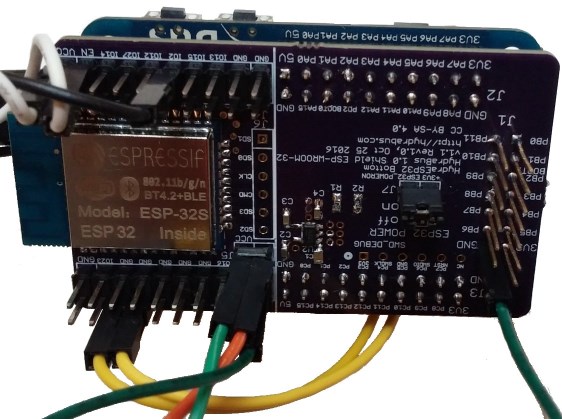
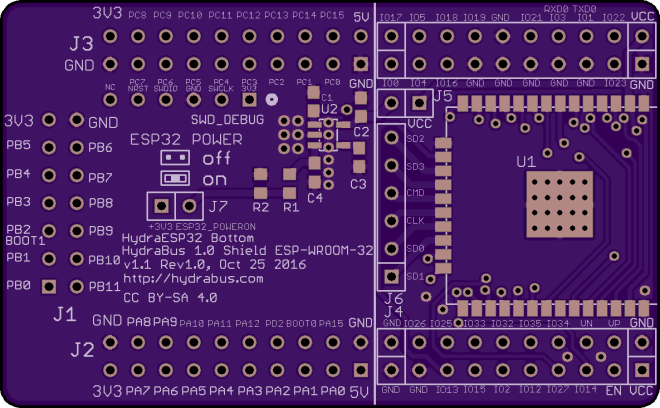
The Espressif ESP32 features a 32-bit 240 MHz dual core processor with  Wi-Fi and BLE. HydraBus created this shield for ESP-WROOM-32 or ESP-32S.

HydraBus__Shield_ESP_WROOM_32_v1_1_Rev1_ESP-32S_final_small.jpg

HydraESP32 v1.1 Rev1 with ESP-32S is alive

This shield can be used with or without HydraBus board, you can even cut HydraBus specific right side (on the line) to have a tiny ESP-WROOM-32 breakout board.

hydrabus has shared the board on OSH Park:

3e0d0b0e77d75a618d3eaf4b1949fc75

Order from OSH Park

HydraESP32: HydraBus and ESP-32S

Put That Amateur Radio License to Use on 915 MHz

Amateur radio enthusiasts in the US will be interested in Faraday, an open-source digital radio that runs on 915 MHz, which amateur radio enthusiasts may know better as the 33 cm band. You can transmit on 915 MHz without a license (in the US), taking advantage of the Industrial, Scientific, and Medical (ISM) exemption.

via Put That Amateur Radio License to Use on 915 MHz — Hackaday

Put That Amateur Radio License to Use on 915 MHz

SMS for Orange Pi and Raspberry Pi

8477531476525689130

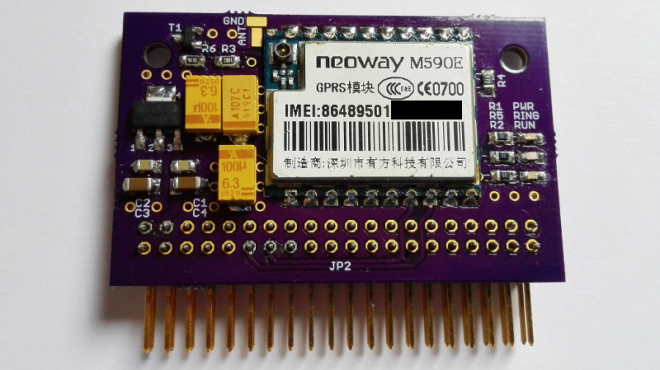
Knudt designed this board to connect an inexpensive dual-band GSM module with to an Orange Pi or Raspberry Pi:

SMS for Orange Pi / Raspberry Pi

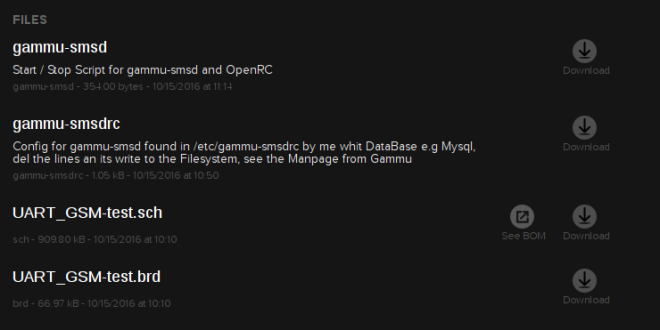
The config files and EAGLE design files can be downloaded from the Hackaday.io project:

Screenshot at 2016-10-27 07-09-36.png

SMS for Orange Pi and Raspberry Pi