Hackaday and Tindie at SCALE 15x

Do you like Open Source? Join Hackaday and Tindie at the largest community-run Open Source conference in North America. We’ll be at the Southern California Linux Expo next week, and we want to see you there. What’s happening at SCALE this year? Amateur radio license exams, a PGP signing party, Bad Voltage Live and The Spazmatics, and…

via Join Hackaday And Tindie At The Southern California Linux Expo — Hackaday

Hackaday and Tindie at SCALE 15x

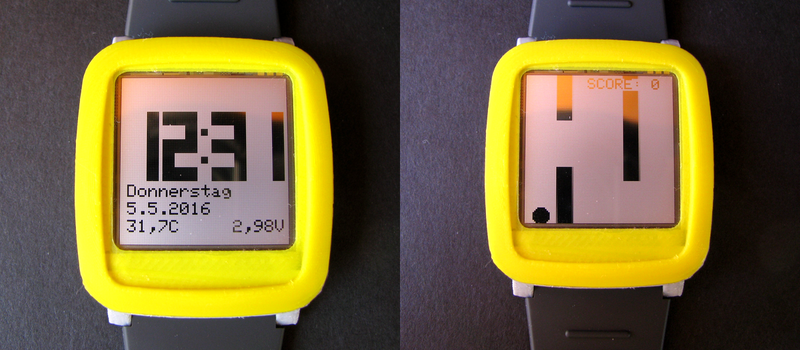
Chronio DIY Watch

 writes on Hackaday:

Chronio DIY Watch: Slick and Low Power

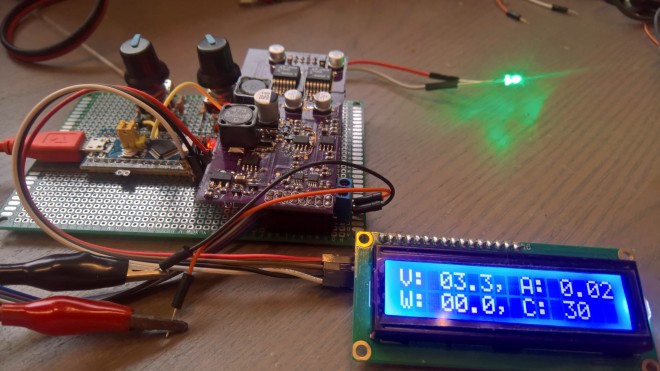
[Max K] has been testing the battery life of his self-designed watch under real-world conditions. Six months later, the nominally 3 V, 160 mAh CR2025 cell is reading 2.85 V, so the end is near, but that’s quite a feat for a home-engineered smart watch

Chronio DIY Watch

Brake Lamp Flasher for Motorcycle

Bryan Cockfield of Hackaday writes:

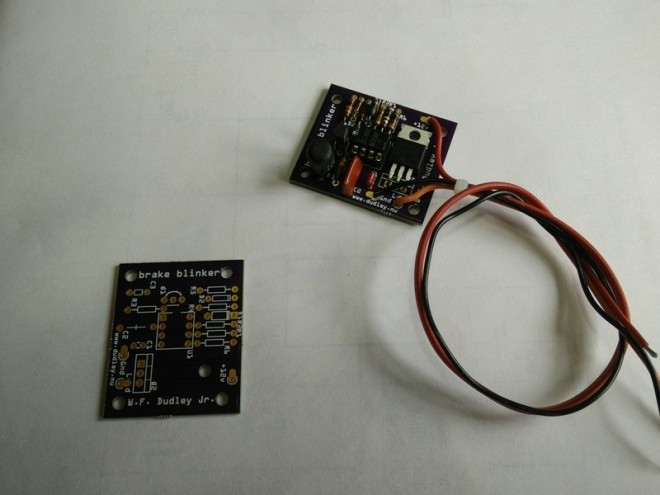
Brake Light Blinker Does It with Three Fives

Sometimes you use a Raspberry Pi when you really could have gotten by with an Arudino. Sometimes you use an Arduino when maybe an ATtiny45 would have been better. And sometimes, like [Bill]’s motorcycle tail light project, you use exactly the right tool for the job: a 555 timer.

boardsMore details on William F. Dudley’s project page:

Brake Lamp Flasher for Motorcycle

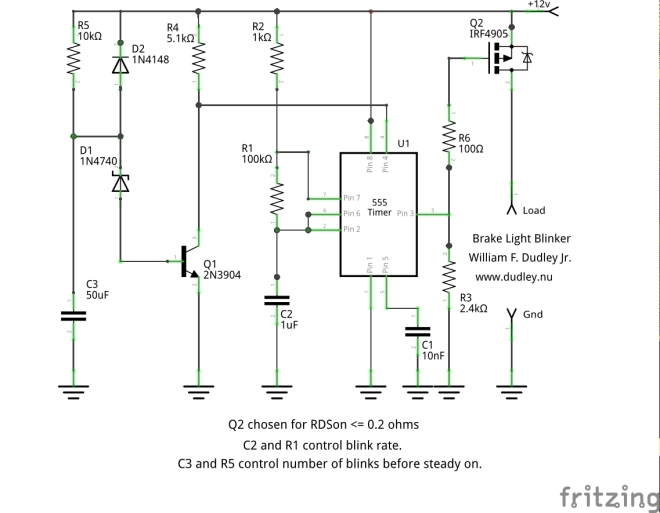
The 555 is a clever chip; not only will it supply the oscillator for the flashing effect, it has a reset pin that can be used to force the output to a known state (low) when (other circuitry tells it that) it’s time to stop flashing. Thus the brake light will be steady “on” after a few flashes every time the brake is applied.

brake_blinker_1_schem

The 555 is happy to run directly off the nominal 12 volt vehicle electrical system, so no voltage regulator is needed. The 555 is almost immune to electrical system noise, so no worries about your Arduino code going off into the weeds if there’s a spike from the electrical system.


Brake Lamp Flasher for Motorcycle

PCB Design Guidelines to Minimize RF Transmissions

screenshot-at-2017-01-27-10-24-11

 writes on Hackaday:

PCB Design Guidelines to Minimize RF Transmissions

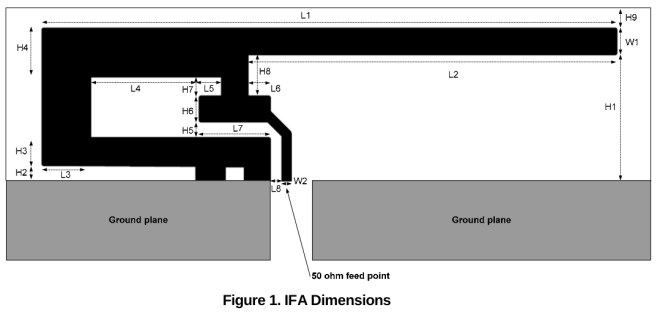
There are certain design guidelines for PCBs that don’t make a lot of sense, and practices that seem excessive and unnecessary. Often these are motivated by the black magic that is RF transmission. This is either an unfortunate and unintended consequence of electronic circuits, or a magical and useful feature of them, and a lot of design time goes into reducing or removing these effects or tuning them.

You’re wondering how important this is for your projects and whether you should worry about unintentional radiated emissions [..]

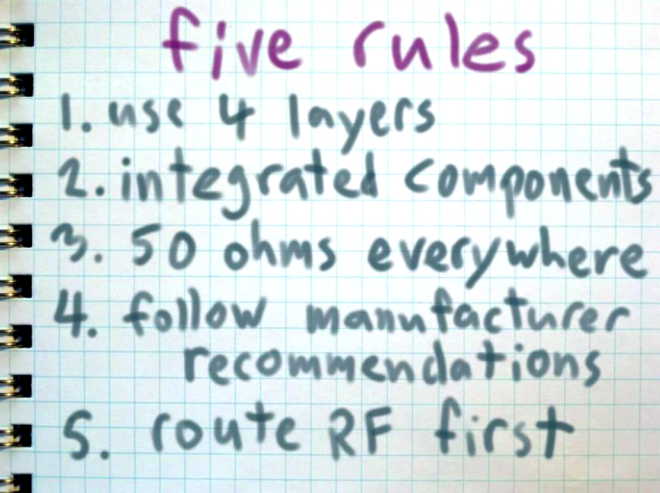
Another good guide is Michael Ossmann’s simple RF design rules:

five_rules.png


PCB Design Guidelines to Minimize RF Transmissions

DIY Vacuum Pickup Tool

We are always surprised how much useful hacking gear is in the typical craft store. You just have to think outside the box. Need a hot air gun? Think embossing tool. A soldering iron? Check the stained glass section. Magnification gear? Sewing department. We’ve figured out that people who deal with beads use lots of fine…

via [Dave’s] Not Just a Member of the Air Club for Tweezers — Hackaday

DIY Vacuum Pickup Tool

iceRadio SDR

rx.png

From the Hackaday blog:

Ice, Ice, Radio Uses FPGA

Building a software defined radio (SDR) involves many trades offs. But one of the most fundamental is should you use an FPGA or a CPU to do the processing. Of course, if you are piping data to a PC, the answer is probably a CPU. But if you are doing the whole system, it is a vexing choice.
iceradio

The FPGA can handle lots of data all at one time but is somewhat more difficult to develop and modify. CPUs using software are flexible–especially for coding user interfaces, networking connections, and the like) but don’t always have enough horsepower to cope with signal processing tasks (and, yes, it depends on the CPU).
Screenshot from 2017-01-23 18-49-55.png

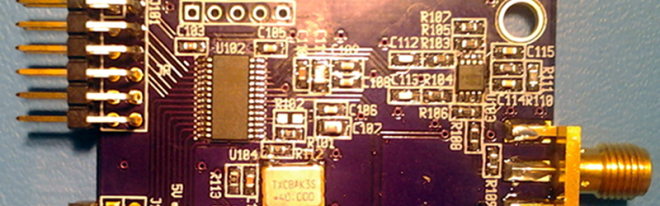
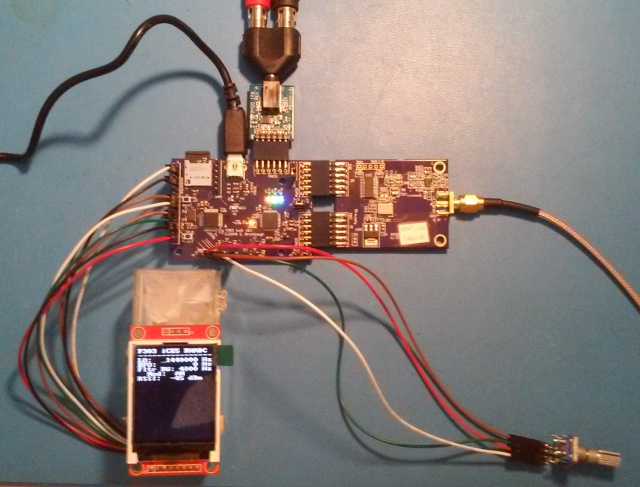
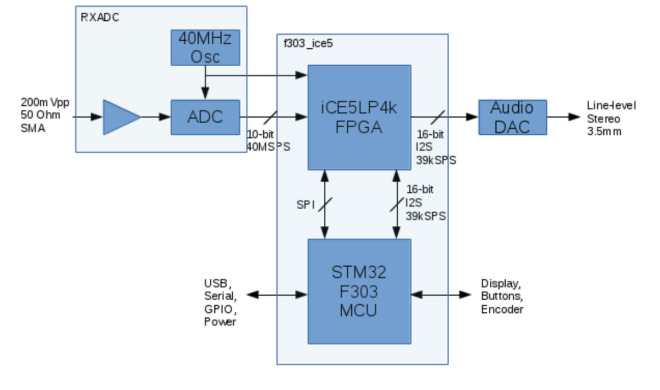
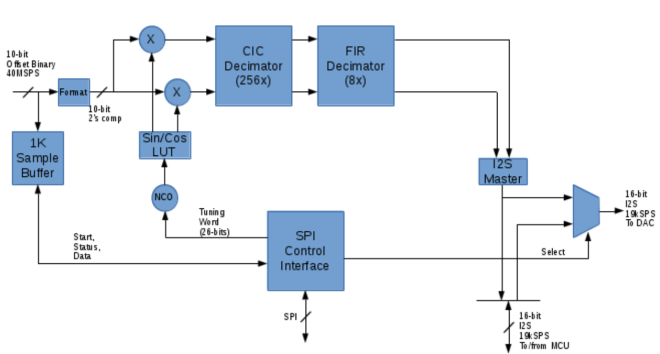
[Eric Brombaugh] sidestepped that trade off. He used a board with both an ARM processor and an ICE FPGA at the heart of his SDR design. He uses three custom boards: one is the CPU/FPGA board, another is a 10-bit converter that can sample at 40 MSPS (sufficient to decode to 20 MHz), and an I2S DAC to produce audio. Each board has its own page linked from the main project.Z
k.png

The iceRadio project page has additional details:

Design files and source code are available on GitHub:

images11emeb/iceRadio


iceRadio SDR